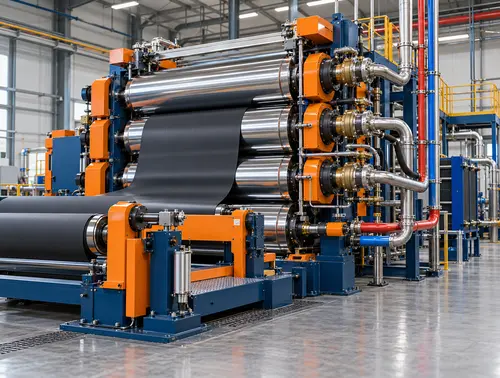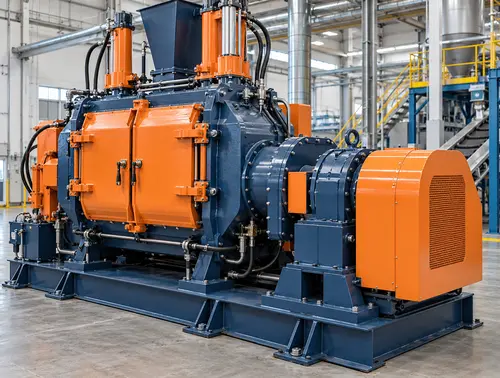

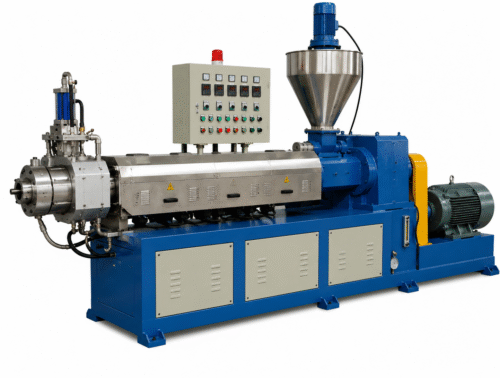
 Rubber Hot Feed Extruder
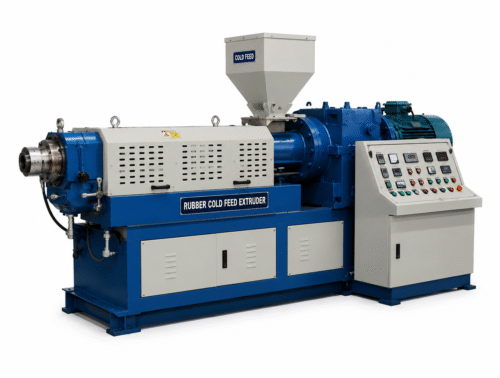 Rubber Cold Feed Extruder
 Rubber Strainer – Reclaim Extruder
 Reclaim Rotary Autoclave
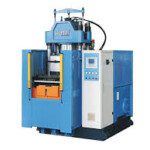 Compression Molding
 Injection Molding
 Vacuum Molding
 Rubber EVA Refiner Mill
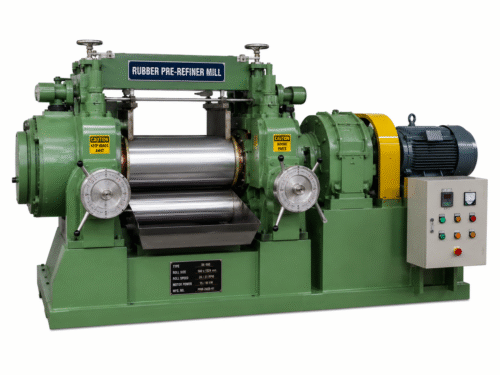 Rubber Pre-Refiner Mill
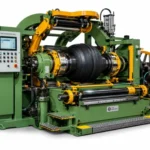
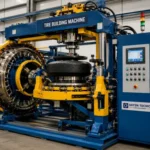 Tire Building Machine
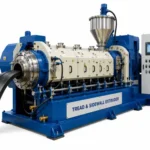 Tread & sidewall Extruder
 Tread Cooling skiver
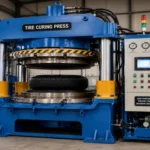 Tire curing press
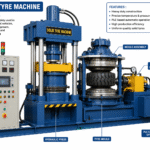

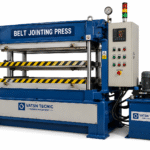 BELT JOINTING PRESS
 Belt Building Machine

 Eva Footwear Injection Molding Machines
 Hawaii Slipper Sole Sheet Machine
 Eva Sole Sheet Splitting
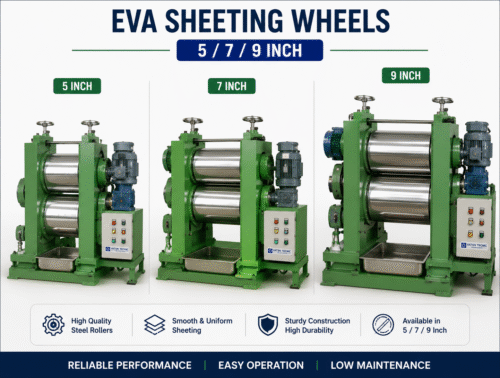 Eva Sheeting Wheels 5/7/9
 PVC Flooring Machine
 Plastic Pelletizing Line
 Filler / Masterbatch / PVC / TPR / EVA

 Breaker – Cracker Mill
 Shredder – Rasper Machines
 Waste Rubber Crumb Grinder Mill
Buy Rubber Mixing Mill in Kochi: Plan Foundation and Utilities First

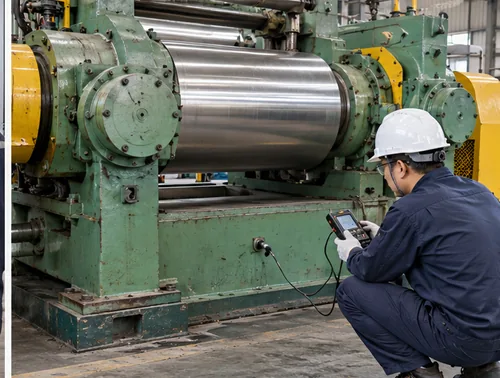
Quick answer: A rubber mixing mill in Kochi is best bought after the building is checked, not after the machine arrives. Confirm floor loading, foundation bolts, drive starting current, cooling water and compressed air against the supplier’s model-specific drawings before paying a deposit.
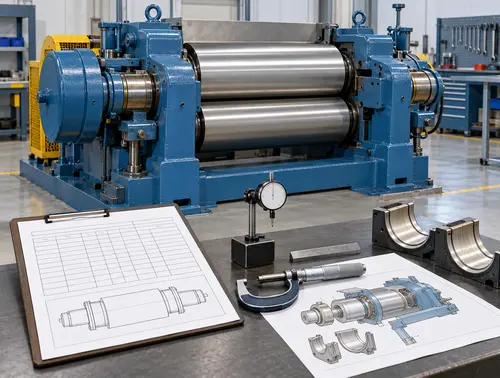
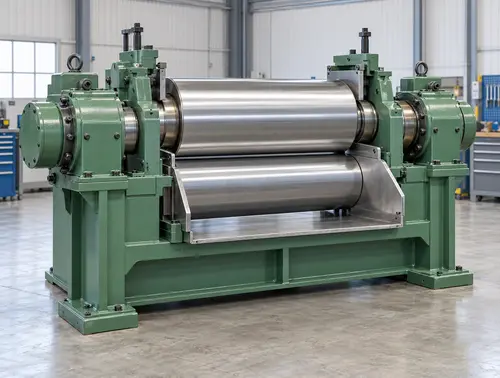
Most disappointing installations of a rubber mixing mill in Kochi fail on civil work, power or cooling, not on worn rolls. A two-roll mill is heavy and torque-rich with a small footprint, so it concentrates load at a few bearing points — a combination ordinary warehouse flooring was never designed for.
Why the building decides the mill
The frame hands the mill’s torque to the floor through a handful of points. On a suspended slab or a thin screed over fill, the machine settles unevenly, the roll gap drifts, and batch consistency goes with it.
Foundation and floor loading
Ask for the foundation drawing for the exact model, not a generic one for the range. It should show bolt positions, bolt size, base plate thickness, grout pockets and concrete grade. If you are buying used, compare those positions with the base frame in front of you: frames are sometimes modified in the field and the drawing no longer matches. On an upper floor, have a structural engineer confirm the point loads, not the average load.
Power, cooling and compressed air
The drive is usually the largest electrical load on the line. Give your electrical contractor the motor rating, starting method and panel schematic, and confirm transformer capacity before delivery. Cooling water is the second common surprise: rolls are usually cored and fed through rotary unions, so confirm flow, pressure and return arrangement, and check whether your cooling tower has spare capacity in peak afternoon heat.
What to inspect on a used mill
Inspection is cheaper than freight. If the machine is outside Kerala, inspect before loading and photograph the serial plate.
- Roll surface: deep scoring, hard-facing repairs, uneven wear across the face.
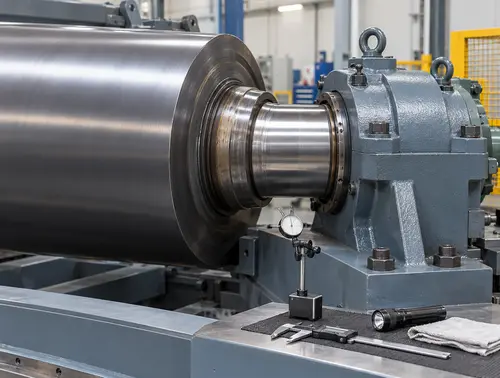
- Bearings and journals: heat discolouration, fretting, repeated shimming of housings.
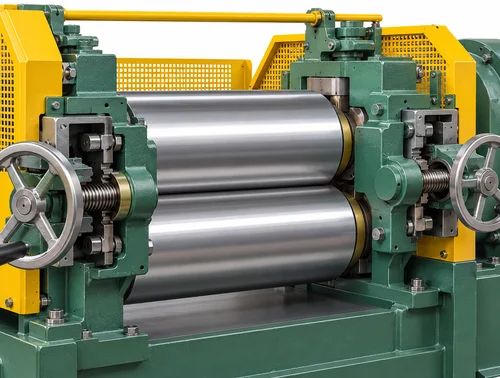
- Roll gap adjustment: move it through full travel and confirm it returns to the same gap.
- Gearbox and drive: oil sample checked for bronze or steel particles.
- Safety: emergency stop, nip guard and brake present, working and documented.
- Electricals: bypassed interlocks, obsolete contactors, rewiring.
Attach the findings to the purchase order; it is your only leverage if the machine arrives in a different condition. The same discipline applies to journal and bearing evidence.
Two drive arrangements you will be offered
| Arrangement | Strength | Limitation | Best fit |
|---|---|---|---|
| Fixed-speed motor, gearbox, fluid coupling | Simple, robust, locally repairable | No speed flexibility; high starting current | Single recipe, stable supply |
| Variable-speed drive | Soft start, adjustable friction ratio | Electronics need heat and dust protection | Multiple recipes, weak supply |
Site readiness checklist
| Item | Confirm | Evidence to request |
|---|---|---|
| Floor | Point load at each bearing point | Engineer’s note |
| Foundation | Bolt layout matches base | Model-specific drawing |
| Power | Transformer and cable capacity | Motor rating, starting method |
| Cooling | Flow and temperature at unions | Utility schedule |
| Air | Pressure and volume for nip and brakes | Pneumatic diagram |
| Access | Door width, turning radius, lifting points | Outline drawing and weight |
Commissioning in a coastal climate
If the mill travelled by sea, open the container, strip preservative from the roll faces and check for condensation damage before lowering it onto the foundation. Dry and insulation-test a damp control panel before energising it. Level the base, grout it, let the grout cure, then torque the holding-down bolts. Run empty first, watching for vibration at each speed, and increase compound load gradually over the first shifts.
Keep a simple commissioning log: ambient temperature, cooling water temperature, motor current at each stage, and any noise or vibration noted by the operator. That log becomes the baseline for maintenance and the reference point if a warranty question arises later. Train the operators on the nip guard and emergency stop before the first production batch, not after.
What the quotation should state
A credible quotation separates machine supply, installation, commissioning, first-year spares and warranty into distinct lines. Confirm who owns the foundation, who supplies cooling piping, who provides lifting at both ends, and what documentation arrives. Comparing two mills at similar prices? Compare the reconditioning records — start with roll gap adjustment repeatability and foundation and drive readiness.
Planning a purchase? Vatsn Tecnic supplies new, used and refurbished rubber processing machinery. Share your floor plan, power availability and batch sizes, and ask for a written scope before you commit.
To read More about Rubber Making Machine Visit Here:
https://www.indiamart.com/vatsntecnic/profile.html
Frequently asked questions
Do I need a special foundation for a rubber mixing mill in Kochi?
Almost always. A separate block isolated from the surrounding floor is the normal arrangement, sized from the supplier’s model-specific drawing. On upper floors, an engineer must confirm point loads first.
Can a mixing mill sit on an existing concrete floor?
Only after the slab is checked for thickness and point load capacity. Many industrial floors suit storage but not a machine that concentrates load at four bearing points.
What power supply does a used mixing mill need?
That depends on the motor and starting method, so get the rating and panel schematic before buying. Confirm transformer capacity and cable sizing with your electrical contractor.
How do I verify a used mill from another state?
Commission an inspection before dispatch and photograph the serial plate, rolls, journals, gearbox oil and panel. Ask for a cold run where power is available.
What cooling arrangement does a two-roll mill require?
Cored rolls fed through rotary unions need steady flow at a stable temperature. Confirm flow, pressure and return design, and check cooling tower capacity at peak ambient conditions.
How long does commissioning take?
It depends on whether the foundation exists and utilities are ready. Foundation curing alone can take weeks, so sequence civil work before delivery.
Is a variable-speed drive worth the extra cost?
Yes when you run several recipes, need a different friction ratio, or have a supply that struggles with direct-on-line starting. Otherwise a fixed-speed drive is simpler to maintain.
What should the supplier’s quotation include?
Separate lines for machine, installation, commissioning, spares and warranty, plus clear responsibility for foundation, piping, lifting and documentation.