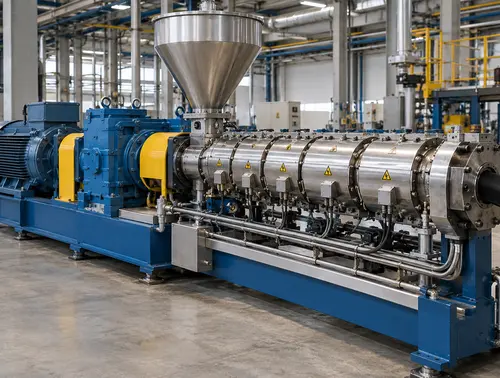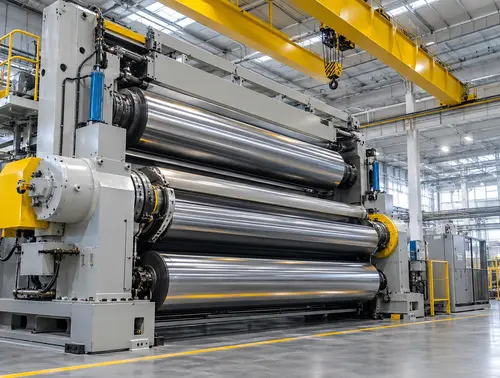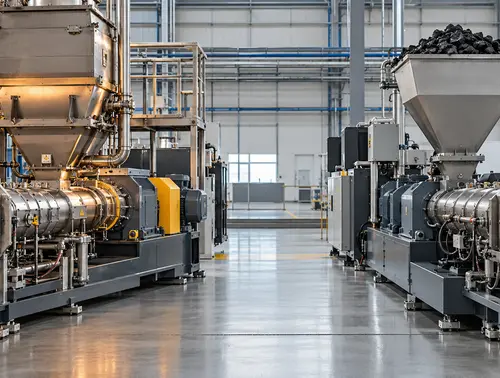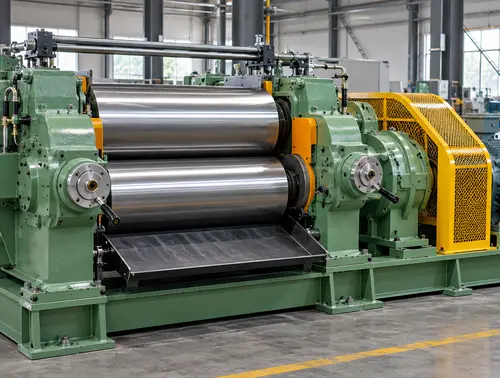
 Rubber Hot Feed Extruder
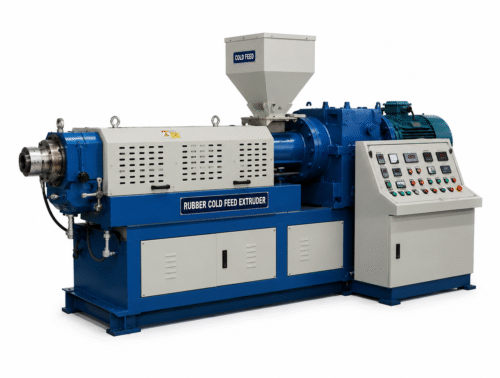 Rubber Cold Feed Extruder
 Rubber Strainer – Reclaim Extruder
 Reclaim Rotary Autoclave
 Compression Molding
 Injection Molding
 Vacuum Molding
 Rubber EVA Refiner Mill
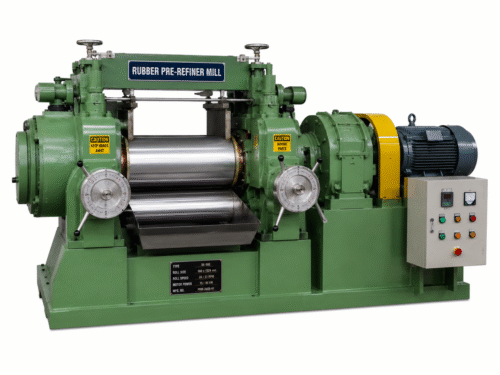 Rubber Pre-Refiner Mill
 Tire Building Machine
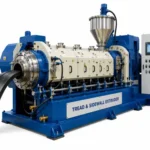 Tread & sidewall Extruder
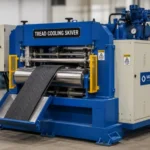 Tread Cooling skiver
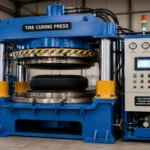 Tire curing press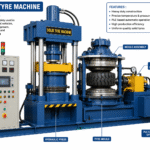
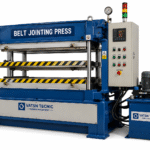 BELT JOINTING PRESS
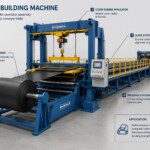 Belt Building Machine
 Eva Footwear Injection Molding Machines
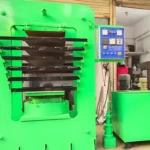 Hawaii Slipper Sole Sheet Machine
 Eva Sole Sheet Splitting
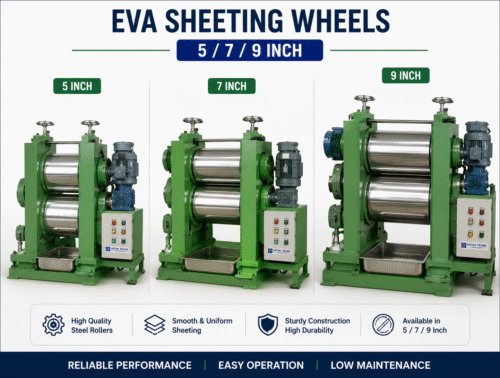 Eva Sheeting Wheels 5/7/9
 PVC Flooring Machine
 Plastic Pelletizing Line
 Filler / Masterbatch / PVC / TPR / EVA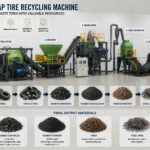
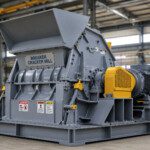 Breaker – Cracker Mill
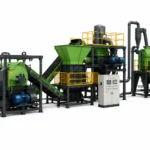 Shredder – Rasper Machines
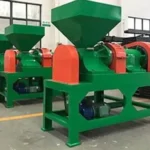 Waste Rubber Crumb Grinder Mill
Buy Rubber Dispersion Kneader in Delhi: Define Trial and Transfer Scope

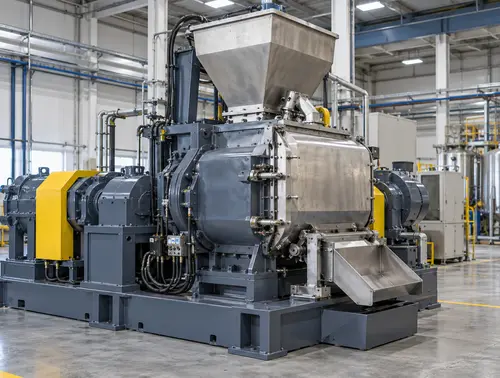
buy rubber dispersion kneader in Delhi should be selected through a written scope, observable inspection evidence and a realistic plan for installation. The useful question is not whether a machine looks complete, but whether its exact configuration, interfaces and test limits fit the intended process. This guide shows how to compare evidence without inventing capacity, condition or performance claims.
Translate the compound into a test plan
Define the compound family, sequence of additions, acceptable batch evidence and downstream handoff before discussing a trial. Do not ask the seller to guarantee results from an unknown formulation or an unrecorded operating method.
Identify which ingredients require controlled handling and what dust, ventilation and housekeeping arrangements are needed. The test plan should state who supplies materials, who supervises the run, what data may be shared, and how residue will be removed.
Check cooling and utility interfaces
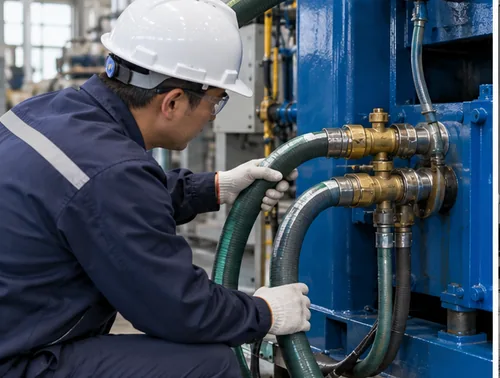
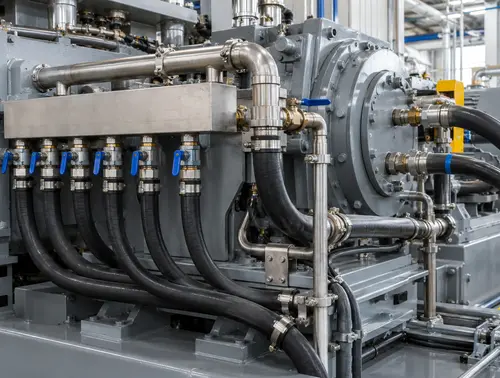
List the available cooling circuits, connection points, valves, hoses, manifolds and any temperature observations the seller can demonstrate safely. Confirm the buyer’s utility conditions separately; similar pipe sizes do not prove compatible flow or water quality.
Record electrical supply, control-panel identity, compressed-air needs and any hydraulic or pneumatic interfaces. Treat missing drawings as an open engineering item. A complete quotation states who supplies interconnecting cables, pipework and site services.
Define discharge and downstream transfer
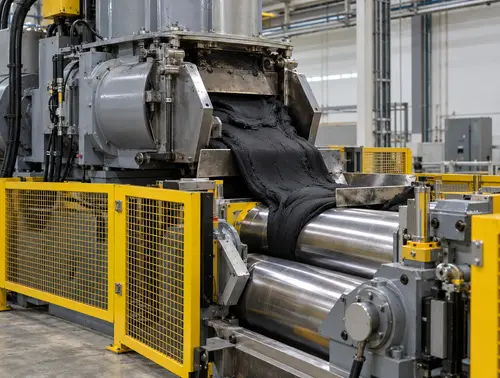
Observe how the chamber opens, where the batch drops, and how material moves to the next safe handling stage. Consider access, guarding, hot-material handling and the clearance needed for the receiving equipment.
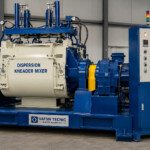
When you buy rubber dispersion kneader in Delhi, include the receiving mill, conveyor, trolley or other transfer arrangement only if it is explicitly identified. A photograph showing adjacent equipment does not automatically make that equipment part of the sale.
Agree acceptance evidence
Use a signed checklist for machine identity, safeguards, utilities, test conditions, observed controls, discharge action and retained samples. Note anything not tested rather than converting it into an implied promise.
Keep commercial milestones tied to agreed evidence where suitable. The final handover pack should include photographs, available manuals, wiring information, packing list, open-item register and responsibilities for installation and recommissioning.
Compare the available evidence
| Decision point | Evidence to request | Risk if unclear |
|---|---|---|
| Batch method | Written sequence and recorded conditions | Trial cannot be reproduced |
| Cooling | Circuit map and observed connections | Site utilities may not match |
| Discharge | Safe opening and transfer observation | Downstream handling gap |
| Controls | Panel identity and functional checklist | Hidden recommissioning work |
Use an accepted, rejected, open or not-applicable status for each line. Attach the photograph, reading, drawing or test note supporting the decision. If a function cannot be checked safely, record the limitation instead of converting missing evidence into an assumption.
Compare commercial approaches
| Trial level | Advantages | Limitations |
|---|---|---|
| Representative batch | Most relevant process evidence | Needs agreed material and safe setup |
| Non-representative compound | Checks selected mechanical actions | Cannot prove intended compound result |
| Dry or empty cycle | Screens controls and movement | Very limited process evidence |
The lowest machine quotation is not automatically the lowest installed cost. Separate machine scope, accessories, dismantling, packing, freight, unloading, foundation work, utilities, installation, trial support, training and taxes. Assign every important exclusion to a named party before payment.
Documents to attach to the quotation
- Machine identity and current configuration
- Included and excluded assemblies
- Inspection and trial method
- Open-item register with owners
- Available utility and foundation information
- Packing, transport and receiving responsibilities
- Payment milestones linked to observable evidence where suitable
- Technical contact and handover documents
Before making a final decision on buy rubber dispersion kneader in Delhi, ask the seller to distinguish verified facts from estimates and unavailable information. Keep the purchase record tied to the exact machine, the intended material and the receiving site.
Vatsn Tecnic can help buyers organize inspection questions, compare documented scope and plan installation support. Review how we work, see our technical services, or use the contact page to discuss the intended process. Safety, electrical, lifting and foundation decisions must remain with competent persons following site rules and applicable requirements.
For general machinery-safety principles, buyers may also review the International Labour Organization safety and health resources. This reference provides general guidance and does not certify any offered machine.
To read More about Rubber Making Machine Visit Here:
https://www.indiamart.com/vatsntecnic/profile.html
Buyer FAQs
Must the buyer share a full formulation?
Not necessarily; agree the minimum safe information and evidence needed for the test.
Does chamber volume equal usable batch size?
No. Usable loading depends on compound and process; verify through an agreed trial.
Can cooling be judged from hose size?
No. Review the complete circuit and actual utility requirements.
Should downstream equipment be in the quotation?
Only when it is identified, included and assigned a clear scope.
What if drawings are unavailable?
Record the gap and allow for measurement, engineering and documentation work.
Can discharge be tested without material?
It can confirm selected movement, but not actual material transfer behaviour.
Who controls the trial?
The parties should name competent operators and supervisors in the test plan.
What belongs in the handover pack?
Identity records, test notes, available drawings, packing list and open items.
Prepare the receiving team
Before dispatch, give the receiving team the package list, utility interface summary, open-item register and photographs showing how the hopper, chamber, drive and discharge assemblies were connected. Identify components that need protected storage and the sequence expected for reassembly.
At site, verify foundation readiness, access, power, cooling, air or hydraulic connections, guards and downstream transfer space before scheduling a trial. Recheck all connections after installation. A documented factory observation is valuable, but it cannot replace competent receiving-site inspection and commissioning.
Record the identity of the trial batch, any retained sample and the exact point where responsibility transfers to downstream equipment. Keep confidential formulation details outside the public record while preserving enough process information for a meaningful handover. This makes later troubleshooting more disciplined without turning one trial into an unsupported production guarantee.
Key takeaway
Choose the machine only after identity, interfaces, safe test evidence and commercial responsibilities are clear. Keep unresolved points visible in the quotation and commissioning plan. A concise evidence pack is more useful than broad claims because it helps the buyer compare options, prepare the site and avoid preventable gaps after dispatch.