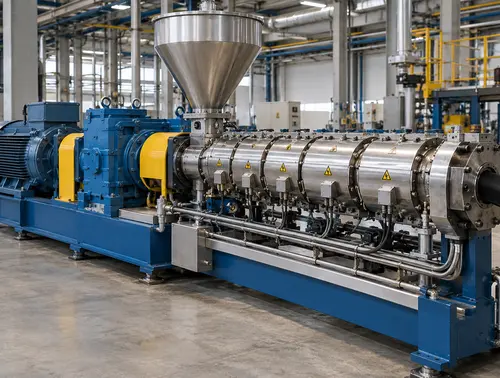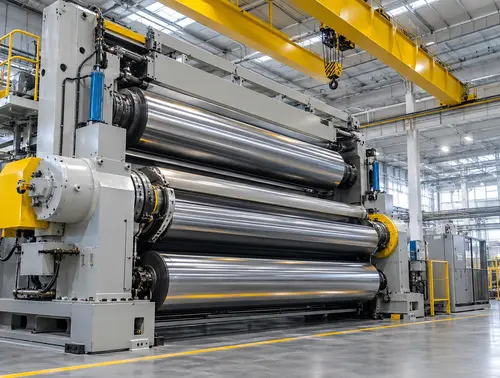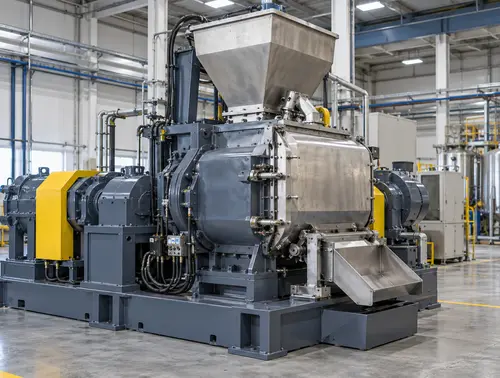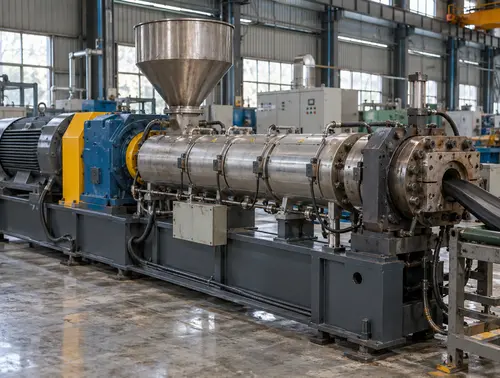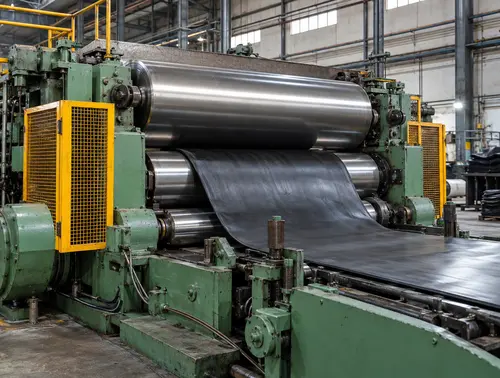

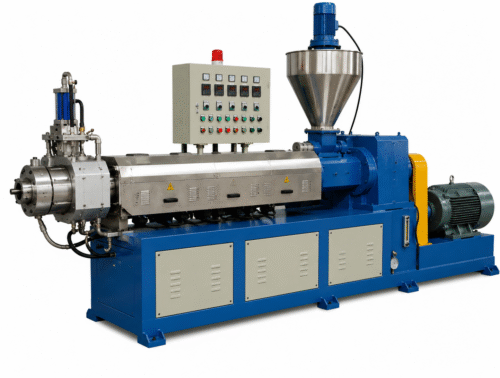
 Rubber Hot Feed Extruder
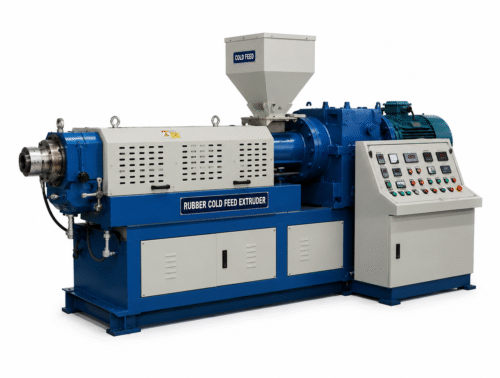 Rubber Cold Feed Extruder
 Rubber Strainer – Reclaim Extruder
 Reclaim Rotary Autoclave
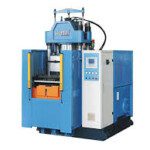 Compression Molding
 Injection Molding
 Vacuum Molding
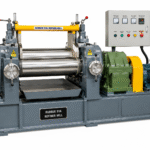 Rubber EVA Refiner Mill
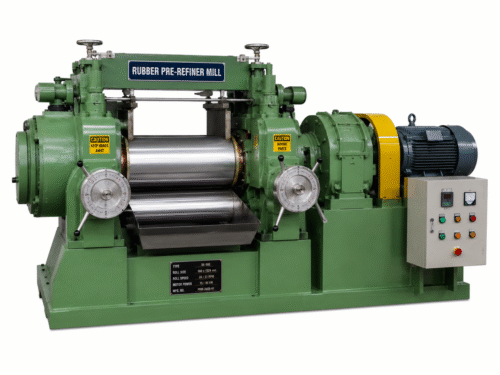 Rubber Pre-Refiner Mill
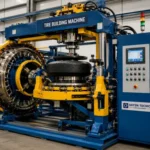 Tire Building Machine
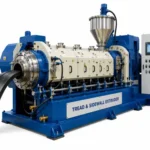 Tread & sidewall Extruder
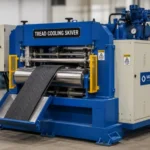 Tread Cooling skiver
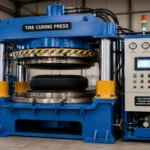 Tire curing press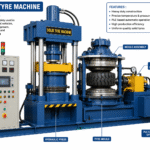
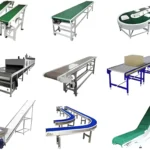
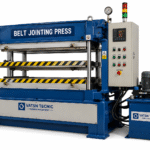 BELT JOINTING PRESS
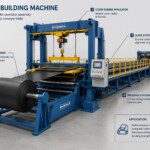 Belt Building Machine
 Eva Footwear Injection Molding Machines
 Hawaii Slipper Sole Sheet Machine
 Eva Sole Sheet Splitting
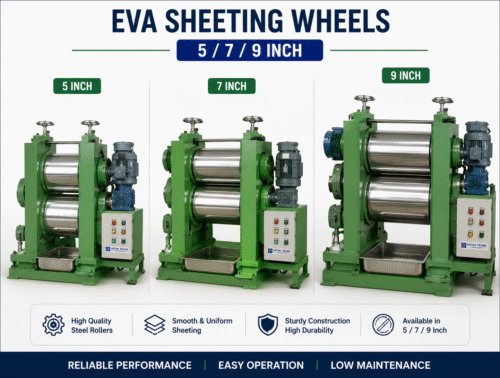 Eva Sheeting Wheels 5/7/9
 PVC Flooring Machine
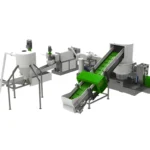 Plastic Pelletizing Line
 Filler / Masterbatch / PVC / TPR / EVA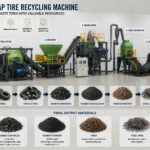
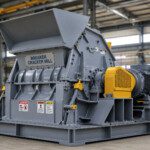 Breaker – Cracker Mill
 Shredder – Rasper Machines
 Waste Rubber Crumb Grinder Mill
Used Rubber Mixing Mill in Hyderabad: Verify Foundation and Drive Readiness

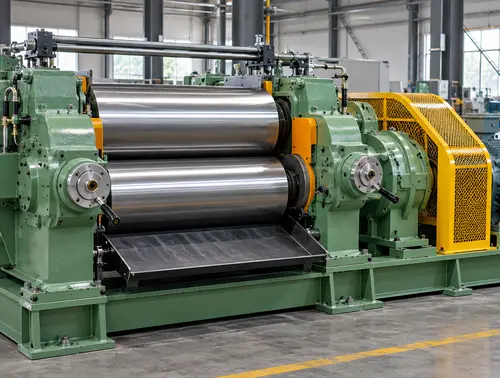
used rubber mixing mill in Hyderabad should be selected through a written scope, observable inspection evidence and a realistic plan for installation. The useful question is not whether a machine looks complete, but whether its exact configuration, interfaces and test limits fit the intended process. This guide shows how to compare evidence without inventing capacity, condition or performance claims.
Confirm the exact mill configuration
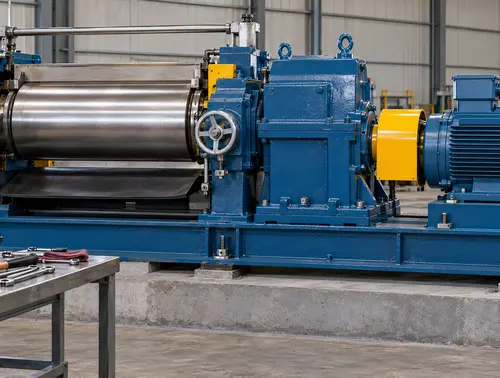
Start with machine identity, roll arrangement, drive layout, guards, stock guides, emergency devices and the accessories included in the quotation. Photograph readable nameplates and match loose motors, panels and couplings to the offered mill. A similar-looking assembly nearby is not proof that it belongs to the sale.
Ask for the present operating state: stopped, able to run empty, or available for a controlled material trial. Record missing parts and temporary repairs separately. This establishes what the buyer actually inspected and prevents a no-load observation from being described later as proof of production capability.
Review the foundation and load path
Inspect base plates, anchor positions, grout condition, shims, cracks and signs of movement. The receiving foundation must be designed from verified loads and site conditions by a competent engineer. Old foundation dimensions can help planning, but should not be copied blindly.
Check whether dismantling will preserve reference marks for the gearbox, motor, couplings and roll housings. Photograph datum points before removal. Transport and reinstallation can disturb alignment, so final leveling and alignment belong in the receiving-site scope.
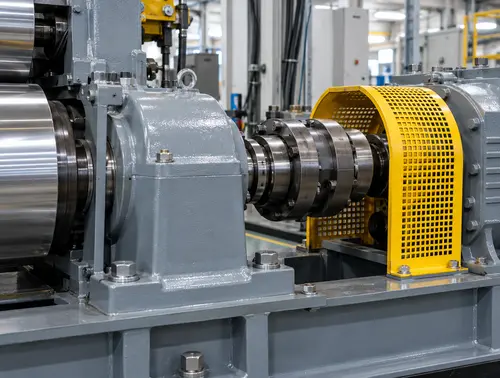
Inspect the guarded drive train
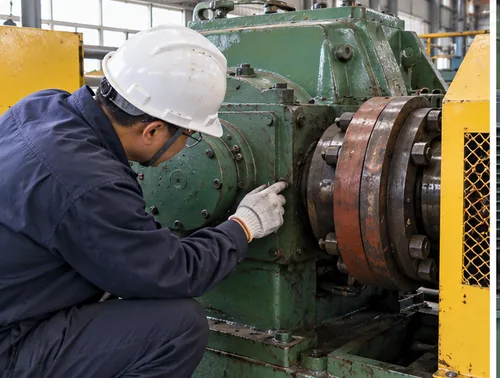
Look for leakage, damaged covers, loose fasteners, improvised supports and coupling-guard condition. Ask what maintenance records, lubricant information and repair invoices are available. A clean exterior or fresh paint does not establish internal gear or bearing condition.
A controlled run may provide observations on noise, leakage, temperature trend and vibration at named locations. Record duration and operating condition. Measurements without location, load and baseline are screening notes, not a diagnosis.
Plan a meaningful acceptance trial
Define who supplies the compound, who operates the machine, what safeguards must be functional, and which readings or samples will be retained. Do not bypass guards or emergency devices simply to complete a demonstration.
For a used rubber mixing mill in Hyderabad, separate evidence gathered stopped, at no load and under a controlled process trial. Link payment or handover milestones only to evidence both parties can observe and record.
Compare the available evidence
| Item | Useful evidence | Trade-off if unavailable |
|---|---|---|
| Machine identity | Readable identifiers and configuration photographs | Greater risk of mismatched parts |
| Foundation | Base and anchor survey with verified loads | More site engineering before installation |
| Drive | Run notes, leakage check and maintenance records | Larger inspection or overhaul allowance |
| Trial | Recorded conditions and accepted checklist | Less confidence about loaded behaviour |
Use an accepted, rejected, open or not-applicable status for each line. Attach the photograph, reading, drawing or test note supporting the decision. If a function cannot be checked safely, record the limitation instead of converting missing evidence into an assumption.
Compare commercial approaches
| Purchase approach | Advantages | Limitations |
|---|---|---|
| Controlled material trial | Best evidence of loaded operation | Needs safe setup, material and operator |
| No-load run | Useful basic mechanical screening | Does not prove process performance |
| As-is purchase | Can suit a planned rebuild | Buyer accepts the most uncertainty |
The lowest machine quotation is not automatically the lowest installed cost. Separate machine scope, accessories, dismantling, packing, freight, unloading, foundation work, utilities, installation, trial support, training and taxes. Assign every important exclusion to a named party before payment.
Documents to attach to the quotation
- Machine identity and current configuration
- Included and excluded assemblies
- Inspection and trial method
- Open-item register with owners
- Available utility and foundation information
- Packing, transport and receiving responsibilities
- Payment milestones linked to observable evidence where suitable
- Technical contact and handover documents
Before making a final decision on used rubber mixing mill in Hyderabad, ask the seller to distinguish verified facts from estimates and unavailable information. Keep the purchase record tied to the exact machine, the intended material and the receiving site.
Vatsn Tecnic can help buyers organize inspection questions, compare documented scope and plan installation support. Review how we work, see our technical services, or use the contact page to discuss the intended process. Safety, electrical, lifting and foundation decisions must remain with competent persons following site rules and applicable requirements.
For general machinery-safety principles, buyers may also review the International Labour Organization safety and health resources. This reference provides general guidance and does not certify any offered machine.
To read More about Rubber Making Machine Visit Here:
https://www.indiamart.com/vatsntecnic/profile.html
Buyer FAQs
Does a no-load run prove the mill is production ready?
No. It confirms only selected functions under the recorded condition.
Can the old foundation drawing be reused?
Use it as a reference only; a competent engineer should verify actual loads and the new site.
Should alignment be checked before dismantling?
Yes, where practical, and reference points should be marked and photographed.
Is fresh paint evidence of refurbishment?
No. Ask for component-level work records and test evidence.
What should be included in the packing list?
The mill, drive, panel, guards, loose accessories, tools, documents and every excluded item.
Can a trial proceed with missing guards?
Do not bypass safeguards; follow the site’s safe operating procedure.
How should quotations be compared?
Compare the complete installed scope, open risks and evidence—not only the machine price.
Who should approve electrical compatibility?
A competent electrical professional using verified motor, panel and site-supply data.
Receiving checklist
Before dispatch, confirm the marked alignment references, protected roll surfaces, loose-part inventory, lifting plan inputs and photographs of the installed drive. At receipt, compare every package with the list before moving components into storage. Record transport damage separately from pre-existing condition and keep preservation active until installation.
Also confirm who will retain the inspection photographs, signed checklist and final packing record. Store these with the quotation so maintenance and project teams can distinguish the seller’s demonstrated condition from work completed after delivery. This small document-control step reduces confusion when multiple contractors handle transport, installation and electrical work.
Key takeaway
Choose the machine only after identity, interfaces, safe test evidence and commercial responsibilities are clear. Keep unresolved points visible in the quotation and commissioning plan. A concise evidence pack is more useful than broad claims because it helps the buyer compare options, prepare the site and avoid preventable gaps after dispatch.