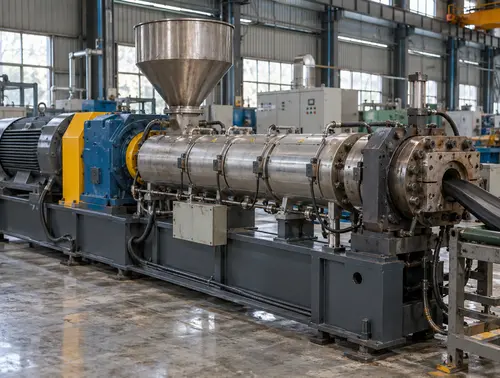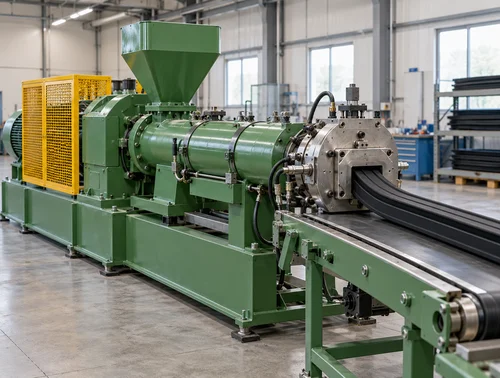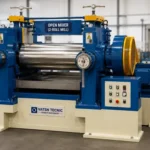

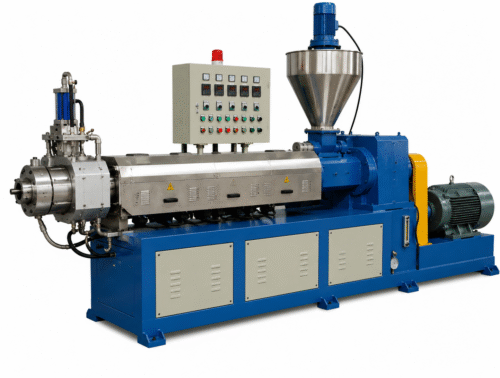
 Rubber Hot Feed Extruder
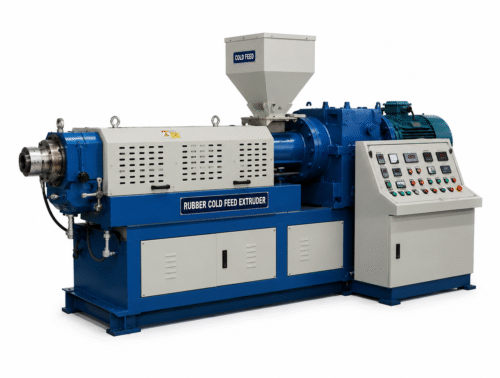 Rubber Cold Feed Extruder
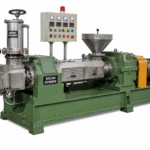 Rubber Strainer – Reclaim Extruder
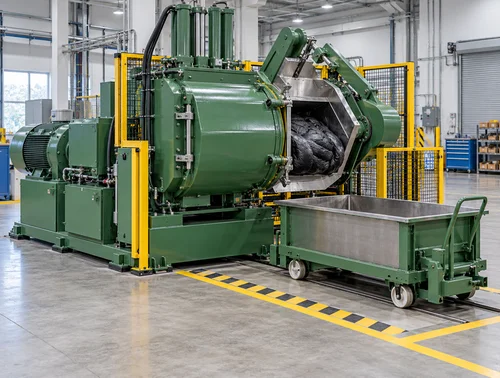
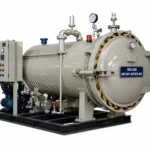 Reclaim Rotary Autoclave
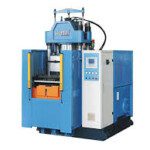 Compression Molding
 Injection Molding
 Vacuum Molding
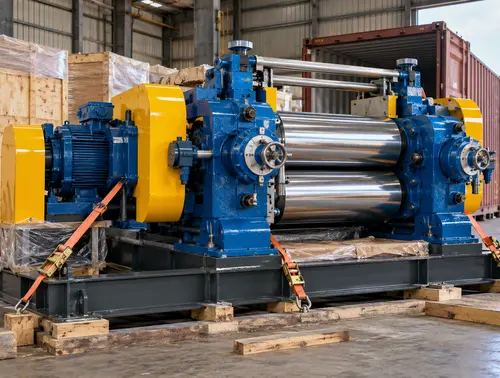
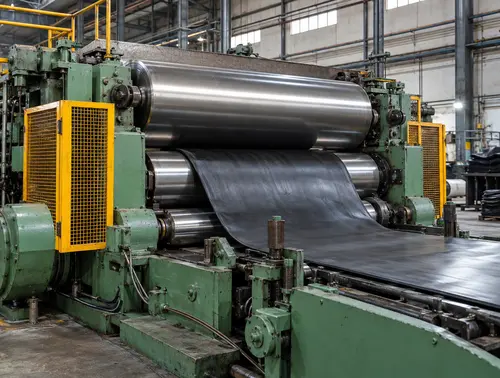
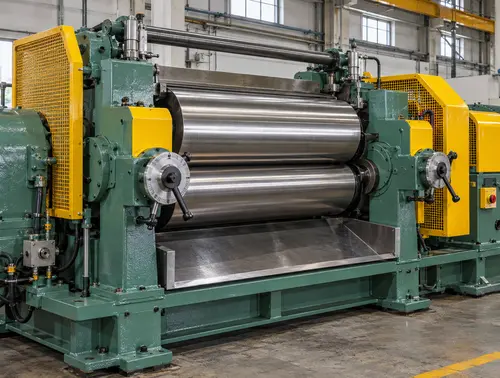
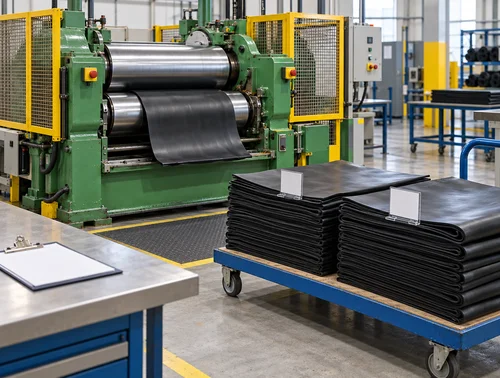
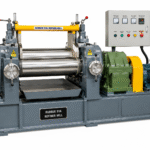 Rubber EVA Refiner Mill
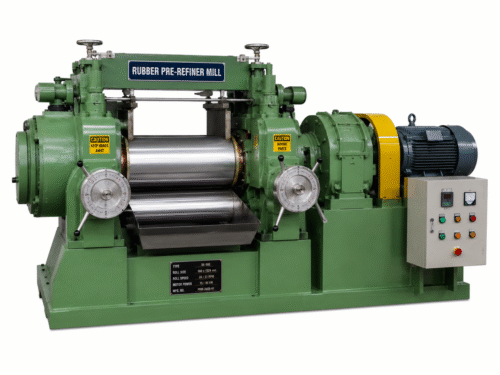 Rubber Pre-Refiner Mill
 Tire Building Machine
 Tread & sidewall Extruder
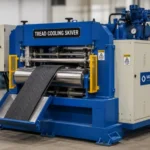 Tread Cooling skiver
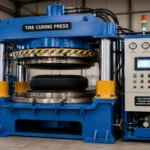 Tire curing press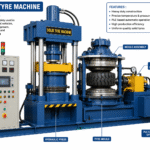
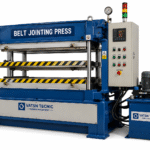 BELT JOINTING PRESS
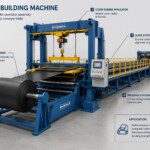 Belt Building Machine
 Eva Footwear Injection Molding Machines
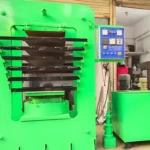 Hawaii Slipper Sole Sheet Machine
 Eva Sole Sheet Splitting
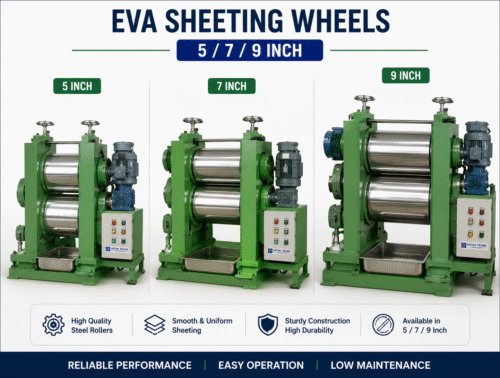 Eva Sheeting Wheels 5/7/9
 PVC Flooring Machine
 Plastic Pelletizing Line
 Filler / Masterbatch / PVC / TPR / EVA
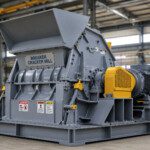 Breaker – Cracker Mill
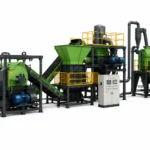 Shredder – Rasper Machines
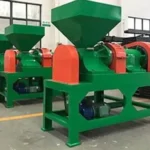 Waste Rubber Crumb Grinder Mill
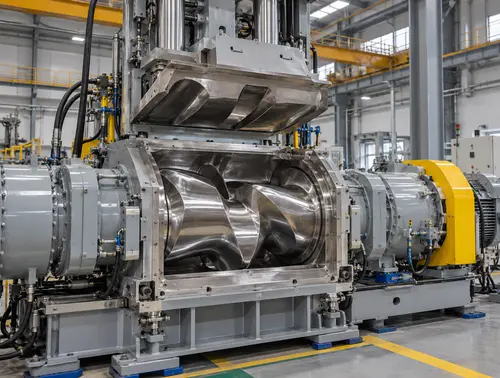
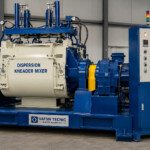
Reliable Rubber Dispersion Kneader in Peenya: Verify Cooling Circuit Readiness

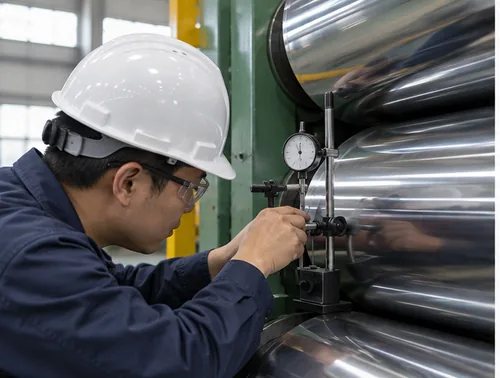
reliable rubber dispersion kneader in Peenya should be shortlisted only after the buyer verifies the cooling-water circuit, temperature instruments and utility interfaces needed for stable batch control. A photograph, seller statement or short no-load run is not enough. The safer decision uses a written test plan, observable evidence and clear responsibility for every open item. This guide explains what to inspect, what to record and how to compare offers without inventing performance claims.
Map every cooling circuit before quotation
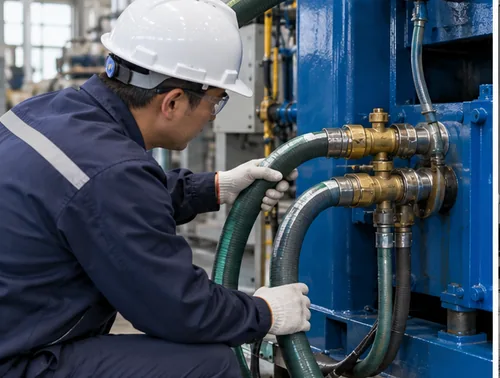
A kneader may use cooling at the chamber, rotors, ram, discharge area or related equipment. Ask the supplier to identify actual inlet and outlet points on the offered machine. Do not assume that visible pipework is complete, internally clear or correctly connected.
Prepare a simple circuit schedule listing connection size, service, direction, available drawings and inspection status. The buyer’s facility team can then compare the offered interface with the planned water system without relying on memory.
Check leakage, flow and temperature evidence
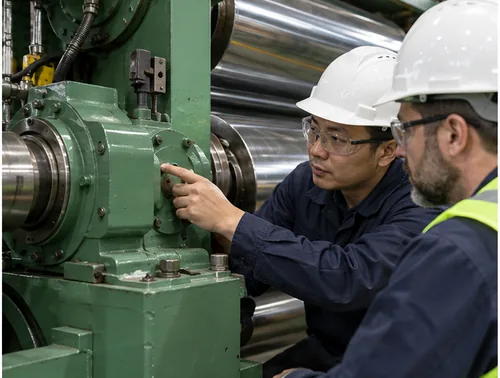
Inspect hoses, manifolds, rotary joints, valves and pipe supports for leakage, corrosion, damaged threads or temporary repairs. If a safe circulation test is possible, record the test condition, observed flow indication, leakage points and temperature response.
Temperature readings should be tied to sensor location and test duration. A displayed number without sensor identification, calibration context or process condition is weak evidence. Record whether the instrument is working, merely powered, or not tested.
Match utilities to the intended compound
Cooling demand depends on the machine, batch recipe, cycle and ambient conditions. Avoid accepting an invented universal flow or temperature figure. Provide the intended compound family and production plan so the supplier or qualified engineer can state the information available for the offered unit.
Also review water quality, pressure stability, drainage and maintenance access. A reliable rubber dispersion kneader in Peenya should be evaluated as part of a utility system, not as an isolated vessel.
Define responsibility for recommissioning
Clarify who supplies hoses, pumps, tanks, heat exchangers, instruments and commissioning support. Record which components are included with the machine and which remain buyer scope. This prevents a low machine price from hiding an incomplete cooling package.
After relocation, flush or clean circuits as appropriate, verify connection direction, inspect for transport damage and repeat controlled checks before process trials. Site-specific decisions belong to competent mechanical and electrical teams.
Compare the available evidence
| Check | What good evidence looks like | Risk if skipped |
|---|---|---|
| Circuit identification | Marked inlets, outlets and available drawing | Wrong or incomplete connections |
| Leakage condition | Controlled circulation evidence and photographs | Water loss and unreliable cooling |
| Instrumentation | Sensor location and observed response recorded | Misleading temperature display |
| Utility scope | Written inclusions and exclusions | Unexpected site cost |
Mark every line as accepted, rejected, open or not applicable. Add the photograph, reading, drawing or test record used for the decision. This converts an informal inspection into a traceable handover. If the machine cannot be operated safely, record that limitation instead of treating an incomplete trial as proof.
Compare purchase approaches
| Option | Advantages | Limitations |
|---|---|---|
| Machine with documented cooling package | Faster utility planning and clearer scope | Documentation still needs machine-specific verification |
| Machine sold with partial pipework | May suit a buyer with in-house engineering | More design, cleaning and recommissioning work |
| Selection by visible condition only | Quick screening | Cannot prove internal flow or temperature response |
The lowest quotation is not automatically the lowest installed cost. Ask each supplier to separate the machine, included accessories, dismantling, packing, freight, unloading, foundation work, utilities, installation, trial support, training and taxes. Any exclusion that matters to production should be assigned to a named party before payment.
Documents to attach to the quotation
- Machine identification and current configuration
- Included and excluded assemblies
- Inspection and trial method
- Open-item or punch-list register
- Utility and foundation information available for the offered unit
- Packing, loading and receiving responsibilities
- Payment milestones linked to observable evidence where commercially suitable
- Contact details for technical clarification
Vatsn Tecnic can help buyers organize inspection questions, compare documented scope and plan refurbishment or installation support. See how we work, review our technical services, or use the contact page to discuss the required process. Safety, electrical and lifting decisions must remain with competent persons following site rules and applicable requirements.
For general machinery safety principles, buyers may also review the International Labour Organization safety and health resources. The external reference provides general guidance; it does not certify any offered machine.
To read More about Rubber Making Machine Visit Here:
https://www.indiamart.com/vatsntecnic/profile.html
Buyer FAQs
Why is cooling important in a dispersion kneader?
It supports controlled heat removal during mixing, but the required system depends on the process.
Can pipe size prove cooling capacity?
No. Internal condition, flow, pressure and the complete circuit also matter.
Should every hose be replaced?
Condition and suitability should be assessed; do not replace or retain components by appearance alone.
What if drawings are unavailable?
Create a verified connection schedule and mark the physical interfaces before dismantling.
Can a dry run verify cooling?
It can confirm limited circulation evidence but not full process heat removal.
Who chooses the chiller or cooling tower?
A qualified utility designer using machine and process requirements.
Should sensors be calibrated?
Ask for available calibration evidence and decide whether site verification is required.
What must the quotation include?
Cooling components, connection information, exclusions, tests and commissioning responsibility.
Can the old system be copied at the new site?
Only after checking the new water quality, pressure, layout and operating conditions.
Before dispatch, ask the seller to label every cooling connection and photograph the completed labels. Match those labels to the utility schedule and packing list. This small step reduces confusion during installation and makes missing valves, manifolds or hoses easier to identify at receipt.
Key takeaway
Cooling readiness should be proven through circuit mapping and test evidence, then matched to the receiving site’s utility design. Keep the final decision tied to evidence from the exact machine, the intended compound or product, and the buyer’s real site conditions. Request a written scope and resolve critical open items before dispatch.