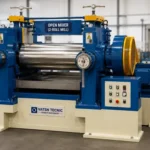
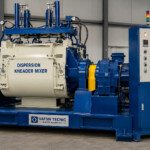

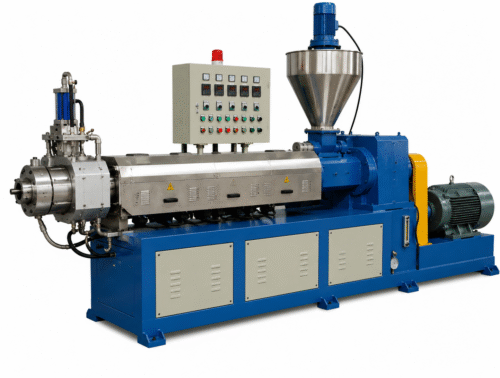
 Rubber Hot Feed Extruder
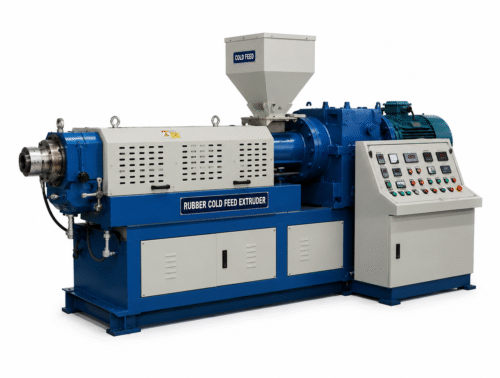 Rubber Cold Feed Extruder
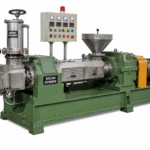 Rubber Strainer – Reclaim Extruder
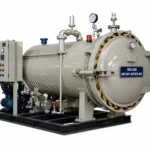 Reclaim Rotary Autoclave
 Compression Molding
 Injection Molding
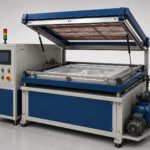 Vacuum Molding
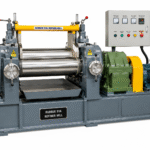 Rubber EVA Refiner Mill
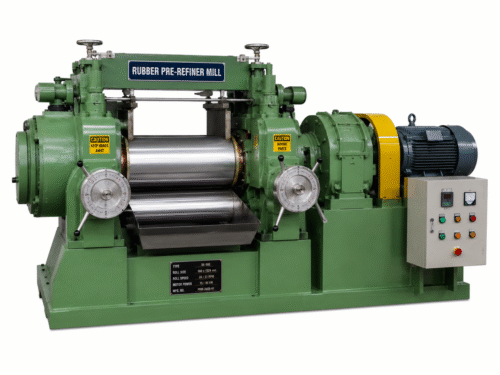 Rubber Pre-Refiner Mill
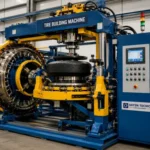 Tire Building Machine
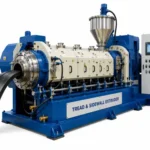 Tread & sidewall Extruder
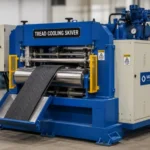 Tread Cooling skiver
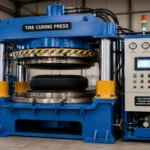 Tire curing press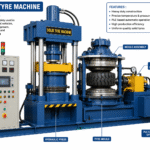
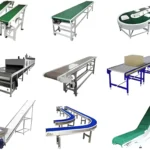
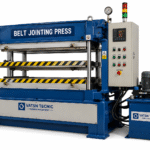 BELT JOINTING PRESS
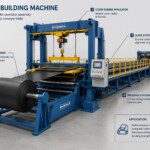 Belt Building Machine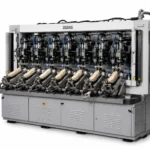
 Eva Footwear Injection Molding Machines
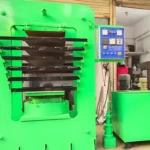 Hawaii Slipper Sole Sheet Machine
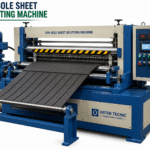 Eva Sole Sheet Splitting
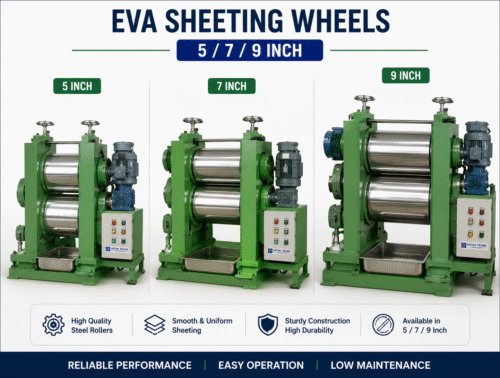 Eva Sheeting Wheels 5/7/9
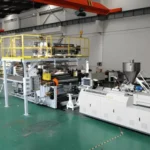 PVC Flooring Machine
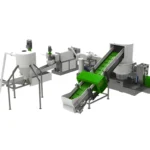 Plastic Pelletizing Line
 Filler / Masterbatch / PVC / TPR / EVA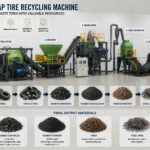
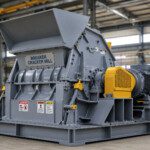 Breaker – Cracker Mill
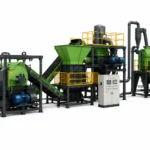 Shredder – Rasper Machines
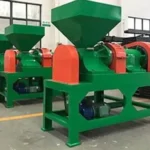 Waste Rubber Crumb Grinder Mill
Reliable Rubber Dispersion Kneader in Ludhiana: Plan Feeding and Dust Control

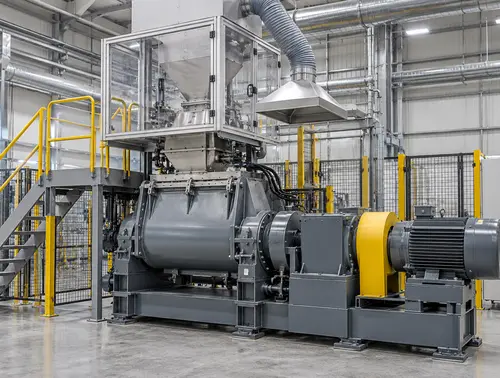
A reliable rubber dispersion kneader in Ludhiana should be evaluated as part of a feeding and dust-control system, not as an isolated mixer. Before ordering, map how polymers, oils, fillers and small ingredients move from storage to the chamber, where dust can escape, and which interfaces belong to the machine supplier, extraction contractor and buyer.
Start with the material and task list
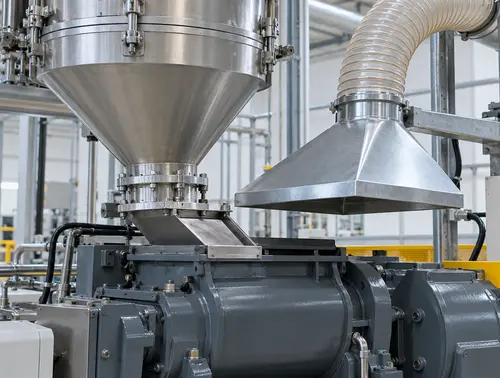
Different ingredients create different handling problems. Bags may need a controlled opening station; bulk fillers may arrive through a hopper or conveying line; oils need metering and leak containment; small additives need traceable weighing. Do not invent a universal solution from a photograph. Give the supplier a representative ingredient list, batch sequence, packaging method and cleaning expectation, while protecting confidential formulations.
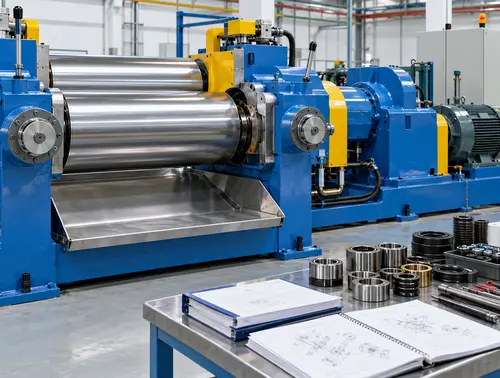
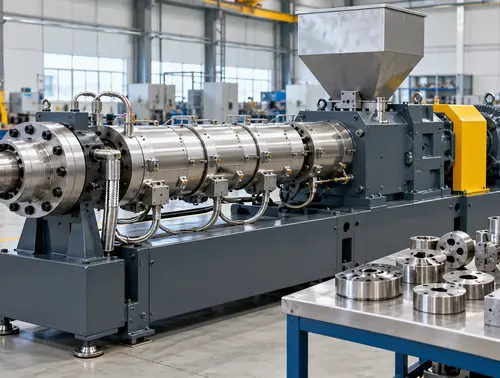
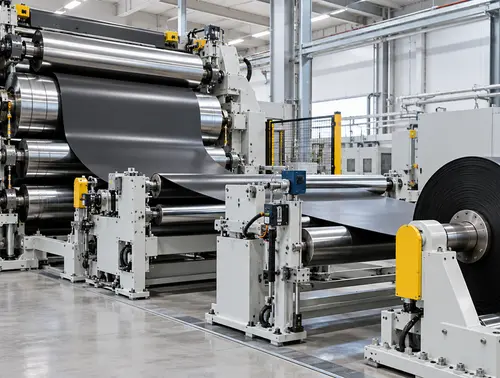
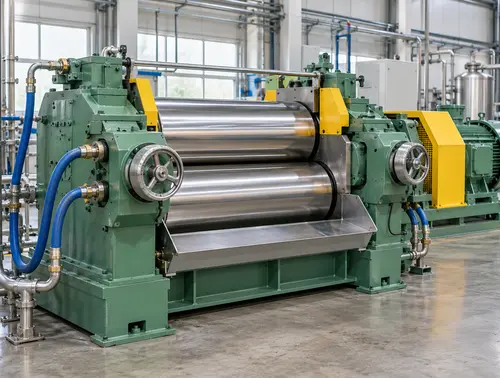
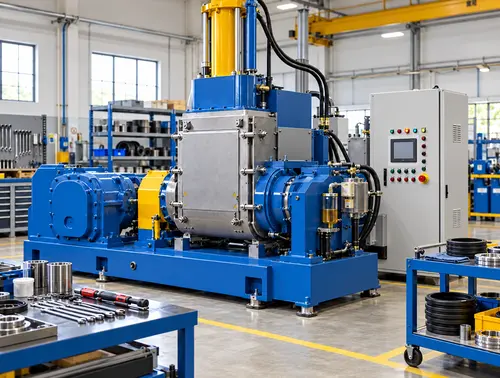
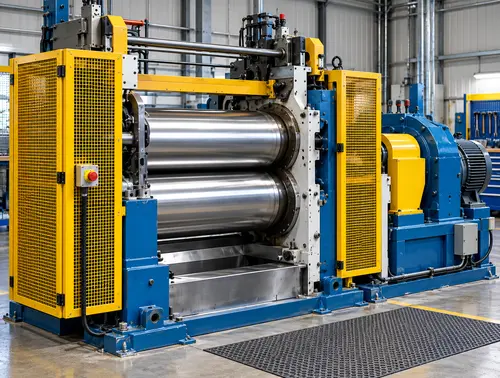
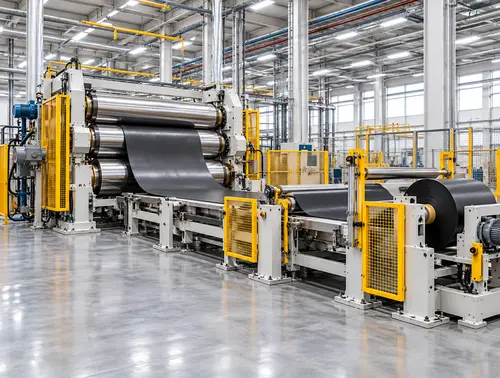
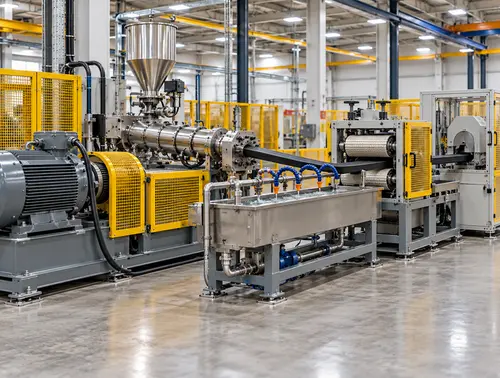
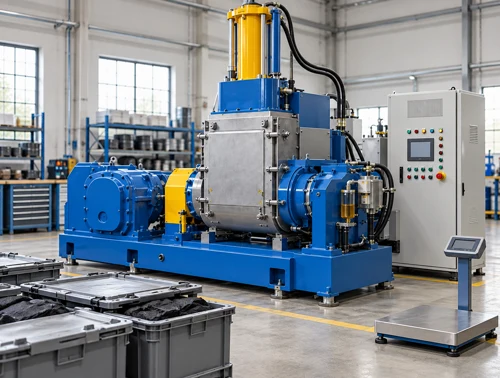
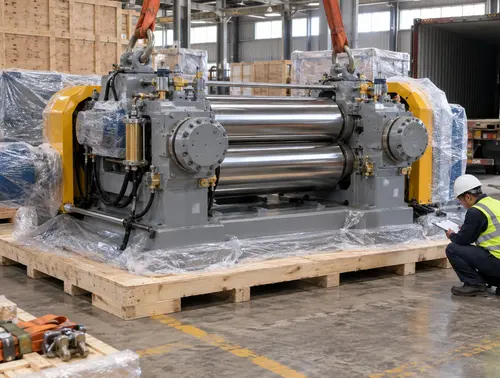
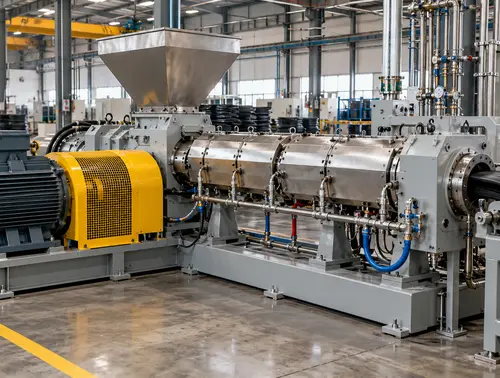
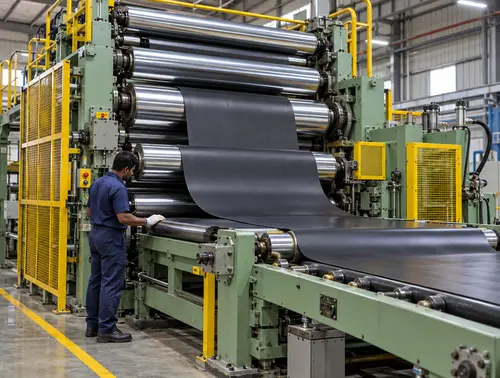
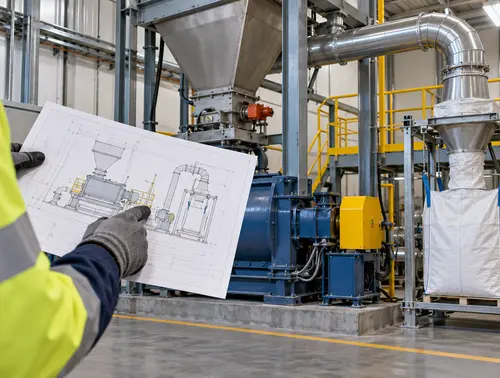
The images below are generic illustrations, not proof of a particular machine or installation. Compare this system-level topic with Vatsn Tecnic’s kneader changeover planning guide.
Define the boundary around the kneader
Ask for a marked-up layout that shows the chamber, ram, feed door, hopper, access platform, bag station, oil point, duct connection, discharge route and maintenance clearance. The drawing should identify connection sizes and elevations without implying that every shown item is included. A reliable rubber dispersion kneader in Ludhiana still needs a compatible building, extraction fan, ductwork, collection system, controls and safe access.
| Interface | Buyer should define | Common gap |
|---|---|---|
| Bag or small-ingredient charging | Package type, height, frequency and containment method | Hopper supplied without a workable operator station |
| Bulk filler feed | Transfer method, connection and control signal | Mechanical connection exists but control ownership is unclear |
| Oil addition | Metering, hose route and spill containment | Pump or meter excluded from the quotation |
| Dust extraction | Capture point, duty basis and contractor boundary | Only a duct collar is included |
Assess dust control as a hierarchy
Good planning begins by reducing uncontrolled release, then enclosing the task where practical, capturing emissions close to the source and maintaining housekeeping. Personal protective equipment may still be required, but it is not a substitute for appropriate engineering controls. Use competent occupational-hygiene and safety specialists for the actual materials and applicable rules. The US NIOSH guidance on controls provides general background on engineering-control thinking.
Ask how the extraction system will behave when the feed door opens, when bags are emptied and when the machine is cleaned. Also ask how replacement air reaches the area. A large fan is not automatically effective: capture geometry, duct losses, filter condition, air balance and operating practice all matter.
| Approach | Advantage | Limitation or trade-off |
|---|---|---|
| Open manual charging | Simple and flexible | Greater dependence on operator method and local controls |
| Enclosed bag-dump station | Can improve containment at a defined task | Needs suitable access, extraction and cleaning design |
| Bulk transfer | Reduces repeated bag handling | Adds conveying, controls and changeover considerations |
| Pre-weighed kits | Supports traceability for small ingredients | Requires disciplined staging and contamination control |
Plan cleaning and changeovers
Dust control and cleanability are linked. Check ledges, dead spaces, access doors, removable sections and safe isolation. Agree how collected material is handled and whether it can be returned, segregated or disposed of. The answer depends on the process and must not be assumed. Include time for cleaning in the trial so the buyer sees the real task rather than only a short mixing demonstration.
Acceptance evidence to request
- A coordinated layout with interfaces and elevations.
- A scope matrix naming the owner of each hopper, fan, duct, filter and control.
- A representative feeding demonstration using safe substitute or agreed production materials.
- Observations at bag opening, charging, door opening, discharge and cleaning.
- Control-sequence and interlock descriptions.
- Maintenance access and filter-service instructions.
- Housekeeping responsibilities and safe waste handling.
- Open-item list with completion dates before final acceptance.
Coordinate controls and abnormal situations
The feed system, kneader and extraction equipment may come from different contractors. Define which device starts first, what proves airflow, what happens after a blocked transfer or fan fault, and how the operator receives an alarm. The control narrative should distinguish a process stop from an emergency stop and identify the approved recovery sequence. These choices need engineering review; they should not be invented during commissioning.
Also plan for partial bags, rejected ingredients, spills and interrupted batches. Provide identified locations and procedures so operators are not forced to improvise. If a dust collector or conveying line is shared, assess how another user affects capacity and contamination risk. Include representative abnormal scenarios in training without deliberately creating an unsafe release.
Measure what the trial can actually prove
A short visual demonstration can show obvious escape points and access problems, but it cannot by itself confirm occupational exposure compliance. Preserve the setup, material, duration and observations, then arrange appropriate commissioning measurements and specialist review for the actual production duty.
To read More about Rubber Making Machine Visit Here:
https://www.indiamart.com/vatsntecnic/profile.html
Frequently asked questions
Is a duct connection the same as a complete dust-control system?
No. A collar is only an interface; fan duty, duct design, filtration, discharge and controls may be outside the machine scope.
Can extraction be selected without an ingredient list?
Not responsibly. Material properties, quantities, tasks and applicable requirements affect the design and assessment.
Should oils use the same feeding route as powders?
Usually they need a separately defined metering and containment arrangement. Confirm compatibility and sequencing with the supplier.
What should be shown on the layout?
Show material routes, access platforms, feed points, duct interfaces, maintenance space, discharge route and contractor boundaries.
Does more airflow always mean better capture?
No. Hood position, enclosure, losses, replacement air and system balance can matter as much as nominal airflow.
How should cleaning be tested?
Isolate safely, follow the agreed method and time the representative clean while noting inaccessible areas and residue traps.
Who should validate occupational exposure controls?
Use competent specialists familiar with the actual substances, tasks, workforce and legal requirements at the site.
What belongs in the purchase order?
Include the scope matrix, interface drawing, trial method, documentation, training and closure process for open items.
Next step
Share your material forms, packaging, batch sequence and site layout with Vatsn Tecnic. Request a coordinated interface review before selecting a reliable rubber dispersion kneader in Ludhiana.