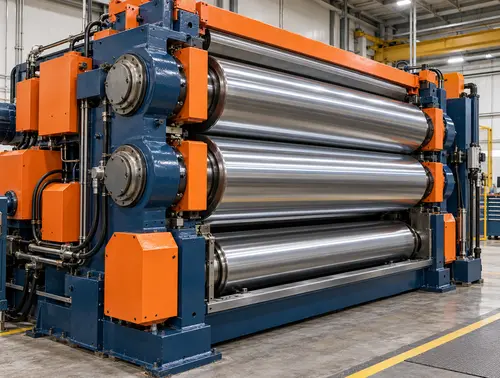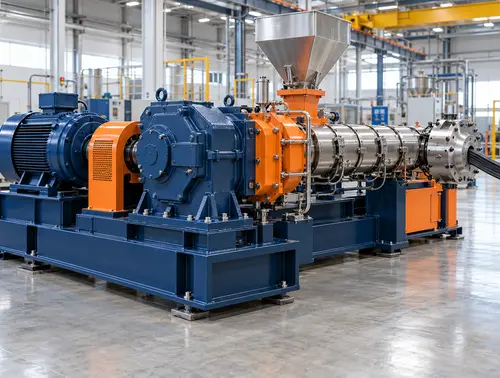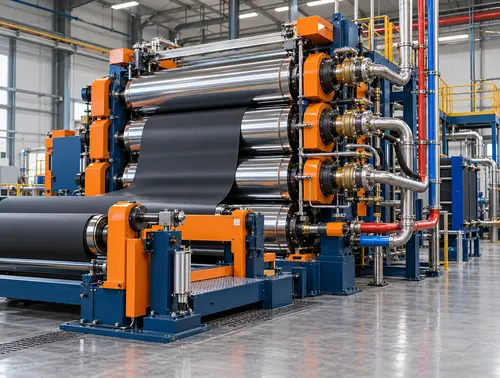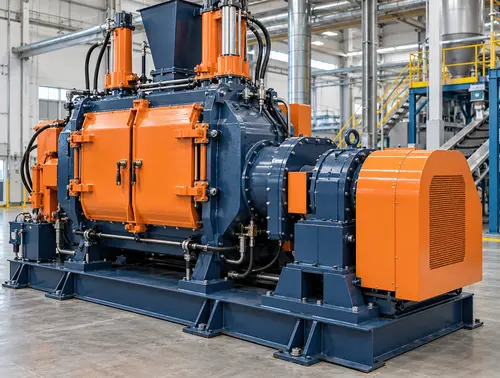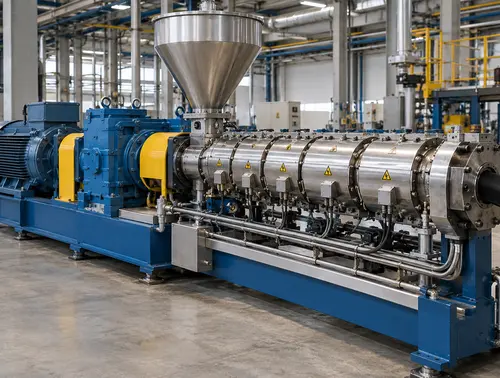
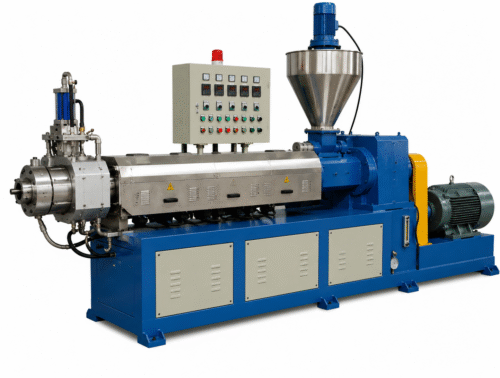
 Rubber Hot Feed Extruder
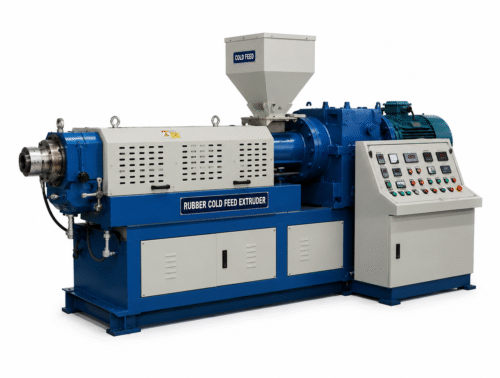 Rubber Cold Feed Extruder
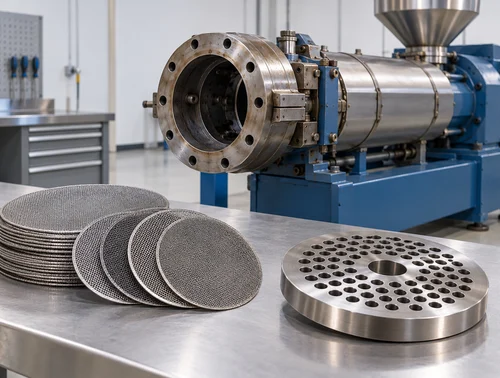
 Rubber Strainer – Reclaim Extruder
 Reclaim Rotary Autoclave
 Compression Molding
 Injection Molding
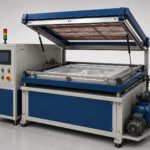 Vacuum Molding
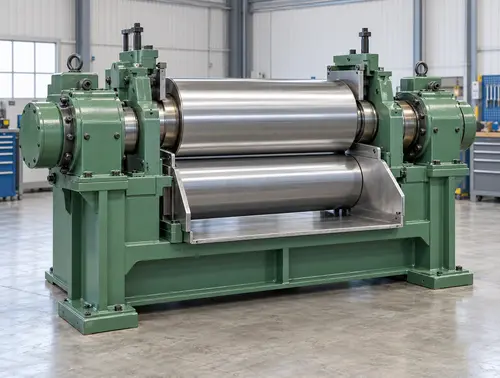
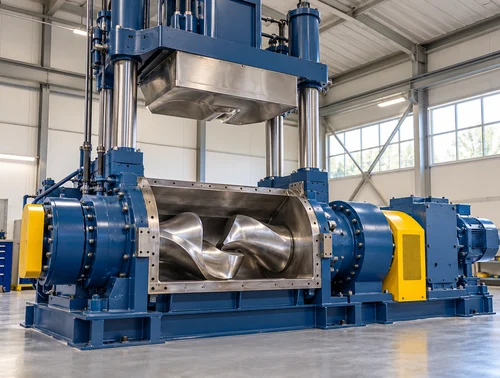
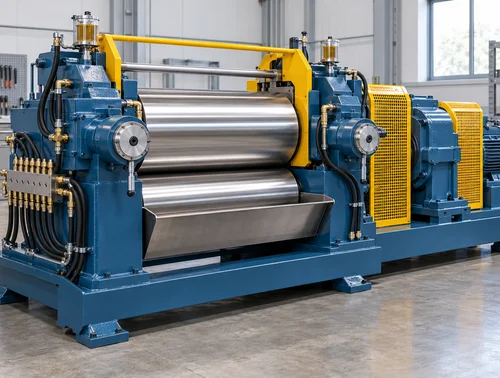
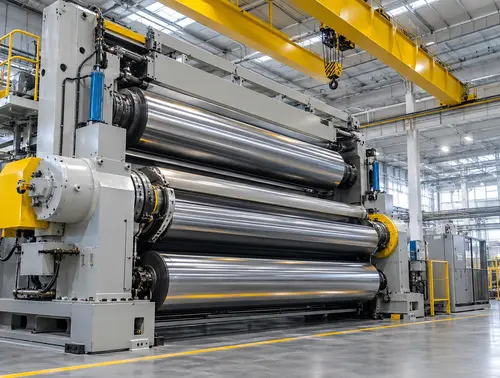
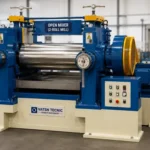
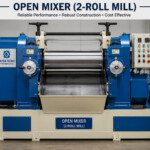
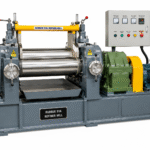 Rubber EVA Refiner Mill
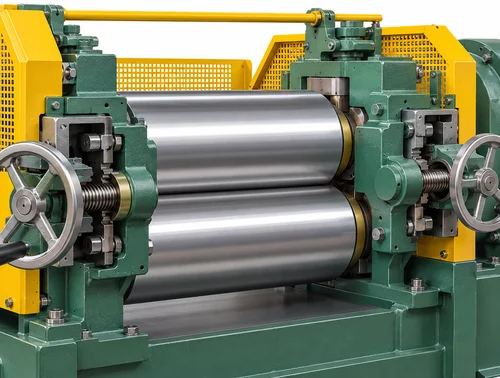
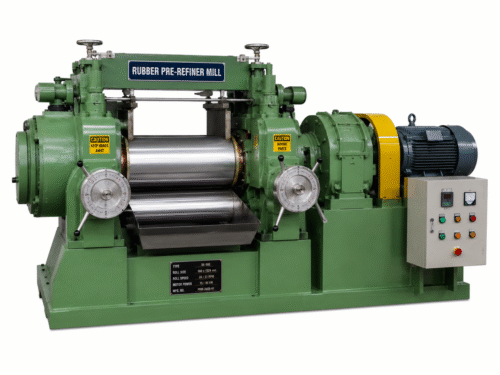 Rubber Pre-Refiner Mill
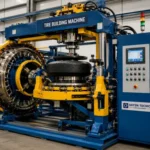 Tire Building Machine
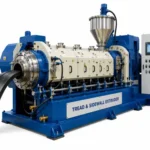 Tread & sidewall Extruder
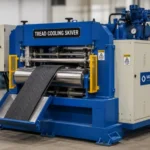 Tread Cooling skiver
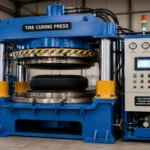 Tire curing press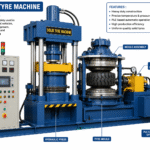
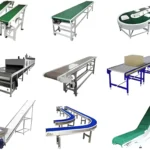
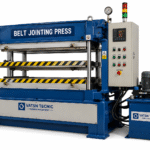 BELT JOINTING PRESS
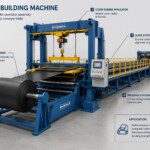 Belt Building Machine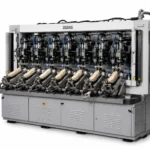
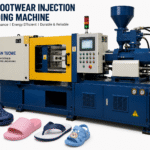 Eva Footwear Injection Molding Machines
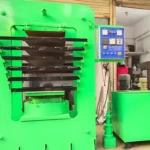 Hawaii Slipper Sole Sheet Machine
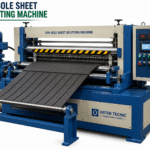 Eva Sole Sheet Splitting
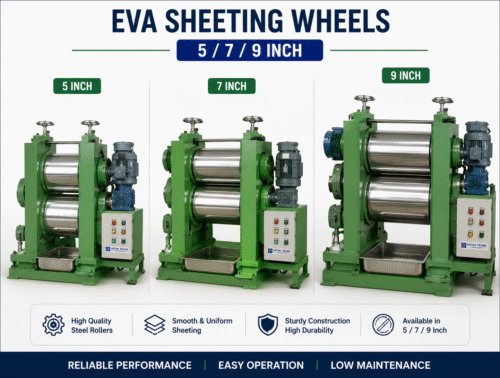 Eva Sheeting Wheels 5/7/9
 PVC Flooring Machine
 Plastic Pelletizing Line
 Filler / Masterbatch / PVC / TPR / EVA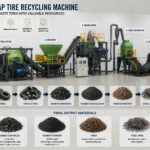
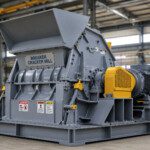 Breaker – Cracker Mill
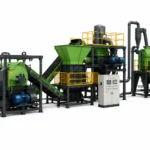 Shredder – Rasper Machines
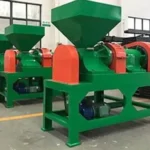 Waste Rubber Crumb Grinder Mill
Seller of Crocs Making Machine in India: Specifications, Cost & Profit

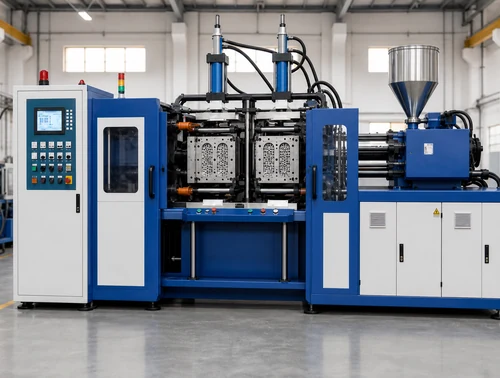
Choosing an EVA Clog Machine India seller should begin with the footwear design, target pairs per day, mould plan, utility capacity, and service scope—not with a promised profit figure. A suitable machine can be selected when the injection system, mould arrangement, cooling method, quality controls, and commissioning support have been documented for the buyer’s actual production plan.
“Crocs” is a third-party trademark. In this guide, the popular search phrase “Crocs making machine” is used only to describe machinery for generic EVA clog-style footwear; no affiliation with or authorisation by the trademark owner is implied. An EVA clog injection machine is used to mould foam footwear from a defined material formulation and mould set. Output and product quality are influenced by material, mould quality, settings, cooling, and trained operation.
EVA Clog Machine India: which specifications should be checked?
The proposed footwear range should be specified first. Adult, children’s, open-back, and closed-back patterns may require separate mould sizes or inserts. The number of cavities, injection capacity, clamping force, mould-platen size, hydraulic system, and control functions should be matched to the planned product. A claimed daily output should be linked to actual cycle time, cavity count, rejects, changeovers, and shift hours rather than accepted as a headline number.
Material feed, temperature control, pressure control, mould heating or cooling, electrical load, compressed air where specified, floor space, and safe handling should be reviewed before an order is placed. The exact material grade and approved colour system should be confirmed with the relevant supplier. It should also be clarified whether moulds, trimming tools, utilities, installation guidance, commissioning, and operator training are included in the quoted scope.
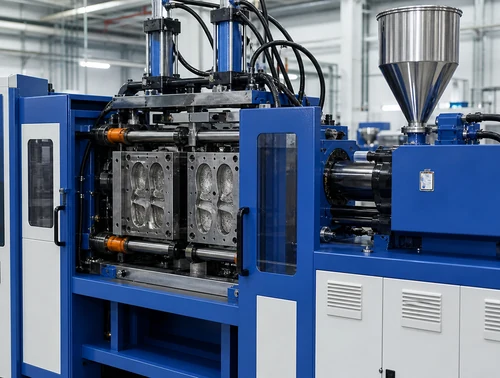
How should an EVA Clog Machine India seller be assessed?
A seller should be assessed through technical documentation and transparent support terms. A specification sheet should identify injection capacity, clamping arrangement, platen dimensions, control panel, safety doors, mould compatibility, cooling requirements, electrical supply, and included accessories. Delivery responsibility, installation support, commissioning, warranty, recommended spares, and response process should be requested in writing.
Layout drawings, photos or video of the offered equipment, a utility checklist, inspection information, and a commissioning plan can be requested. If a sample run is available, the material, mould, cycle conditions, visual-quality expectations, and sample-approval process should be agreed beforehand. By this method, offers can be compared on equal technical scope instead of only on initial price.
Comparison chart: buying an EVA clog machine
| Potential benefit | Possible limitation | Practical response |
|---|---|---|
| Repeatable moulding can support more uniform footwear output. | Equipment, moulds, and site preparation require investment. | Prepare a total-cost plan for machine, moulds, utilities, training, and working capital. |
| Multiple cavities can improve output when demand is stable. | Higher output can increase stock and quality-control pressure. | Match cavity count to confirmed demand and inspection capacity. |
| New designs can be introduced with suitable mould tooling. | Mould changes and trials can add time and cost. | Approve drawings and samples before production moulds are ordered. |
| Process settings can be recorded through modern controls. | Untrained operation can create defects or material waste. | Use approved parameters and train authorised operators. |
Cost and profit planning for EVA clog production
Machine cost should be evaluated as part of a full project budget. Moulds, freight, taxes, installation, electrical work, material, colourants, packaging, staffing, quality checks, reject allowance, and sales costs should be included. A cost-per-pair calculation should be prepared from validated cycle time and realistic yield. Profit should not be assumed from a machine quotation; it is created only when sale price, demand, material consumption, overheads, and rejected output are understood.
A trial order or limited product range can be used to test demand before capacity is expanded. The target customer, distribution method, order quantity, payment terms, and return policy should be planned alongside production. Generic designs should be developed with original branding and lawful product presentation. Third-party trademarks, logos, and protected designs should not be used without the appropriate permission.
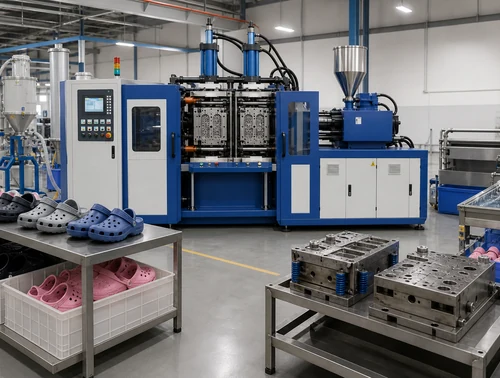
Comparison chart: starting an EVA clog business
| Business opportunity | Business challenge | Practical control |
|---|---|---|
| Seasonal and everyday footwear demand may support repeat sales. | Demand can change by design, size, price, and season. | Validate demand with controlled batches and buyer feedback. |
| Original colour and design combinations can be developed. | Too many SKUs can tie up inventory. | Begin with a focused size and colour range. |
| Value can be added through finishing and compliant packaging. | Defects and returns can reduce margin. | Set clear inspection standards and retain production records. |
| Capacity can grow after sales are proven. | Fast growth can strain cash flow and mould availability. | Phase equipment, tooling, staff, and stock purchases. |
EVA Clog Machine India safety and quality controls
Safety provisions should be demonstrated before handover. Safety doors, guards, emergency stops, electrical isolation, hydraulic precautions, and safe mould-change procedures should be reviewed. The machine should be operated only by trained personnel, and the supplied manuals should be followed. Applicable factory, electrical, consumer-product, labelling, and workplace requirements should be checked by the buyer with qualified advisers where needed.
Routine checks should be scheduled for heaters, hydraulic lines, injection components, platen alignment, cooling circuits, electrical connections, and safety devices. Material batches, process settings, mould number, rejection reason, and inspection observations should be recorded. This information can help quality variation to be identified before a customer complaint or larger loss is created.
Making a responsible seller enquiry
Vatsn Tecnic can be considered during a seller comparison where the documented configuration and support scope meet the buyer’s requirement. An effective enquiry should include target footwear type, size range, preferred material, planned pairs per day, mould requirement, available power, floor layout, and finishing plan. A suitable EVA Clog Machine India configuration can then be discussed from project evidence rather than assumption.
For supplier information, visit Vatsn Tecnic on IndiaMART.
To read more about rubber-making machinery, visit here.
Frequently asked questions
What is an EVA clog-making machine used for?
It is used to mould generic EVA foam clog-style footwear using the selected material, mould set, and controlled production settings.
How is machine capacity selected?
Capacity should be selected from realistic cycle time, cavities, planned shift hours, expected yield, design changes, and confirmed sales demand.
Are moulds included with the machine?
It depends on the agreed quotation. Mould quantity, sizes, design ownership, material, and sample-approval terms should be listed clearly.
What affects the cost per pair?
Material use, mould cavities, cycle time, energy, labour, reject rate, packaging, freight, overheads, and sales costs all affect the calculation.
Can branded clog designs or logos be produced?
Only where the necessary intellectual-property rights or permission have been obtained. Original and lawfully marketed designs should be used otherwise.
What support should be requested from a seller?
Technical specifications, layout guidance, commissioning, training, warranty, spare-parts advice, and a defined service process should be requested.
Editorial note: This guide is intended to support a careful machinery decision. Final equipment selection, cost calculation, product compliance, and intellectual-property review should be validated for the buyer’s own project.