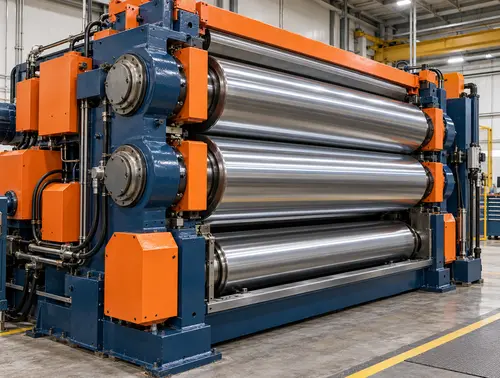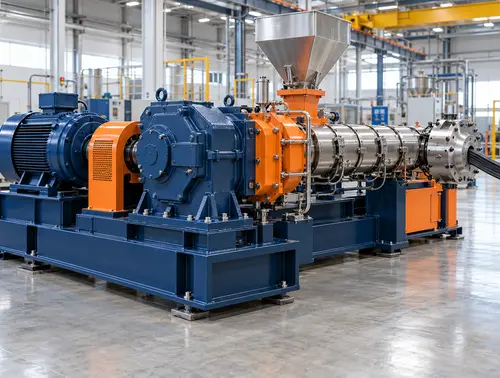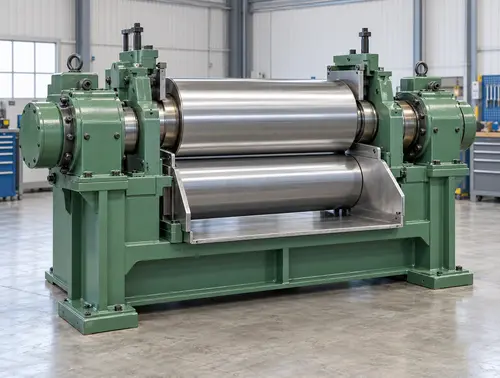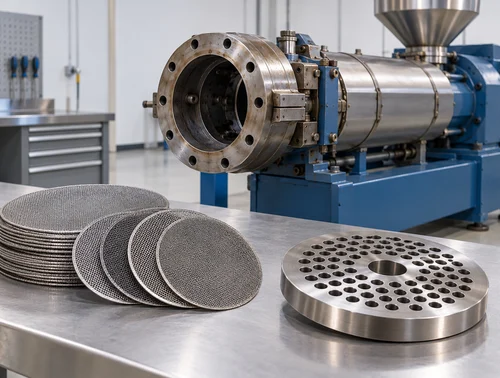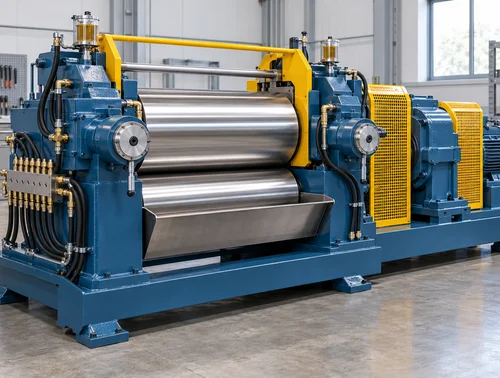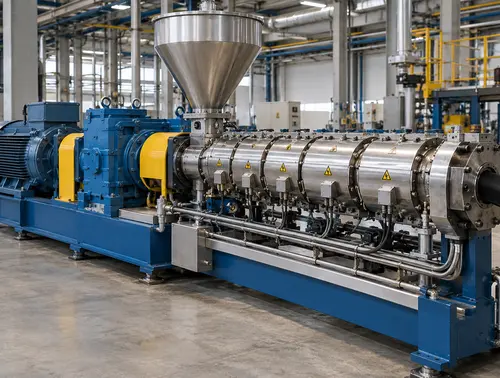


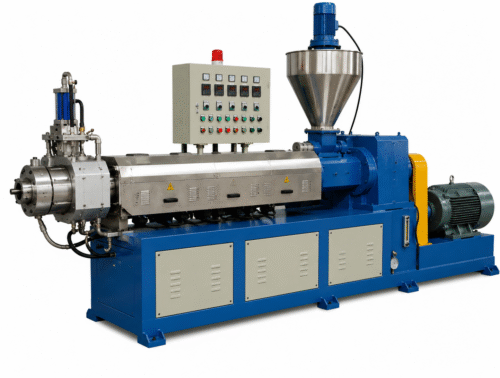
 Rubber Hot Feed Extruder
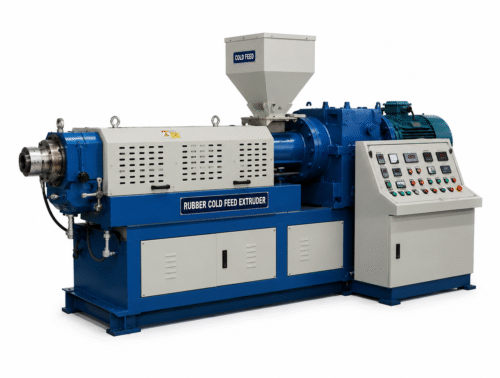 Rubber Cold Feed Extruder
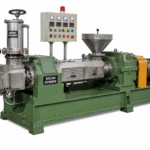 Rubber Strainer – Reclaim Extruder
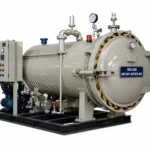 Reclaim Rotary Autoclave
 Compression Molding
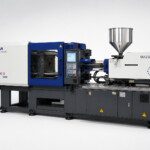 Injection Molding
 Vacuum Molding
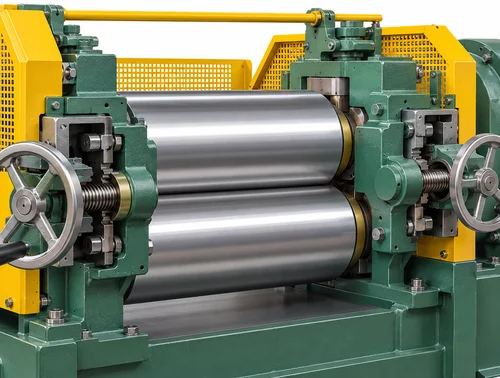
 Rubber EVA Refiner Mill
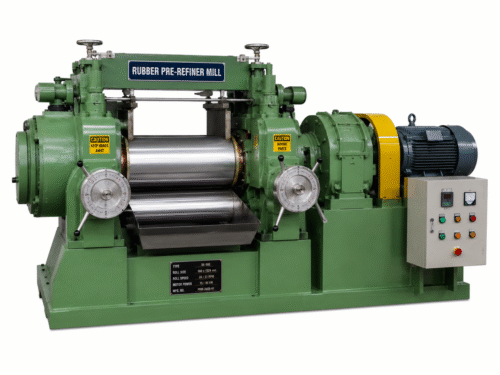 Rubber Pre-Refiner Mill
 Tire Building Machine
 Tread & sidewall Extruder
 Tread Cooling skiver
 Tire curing press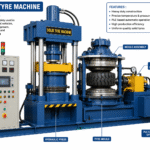
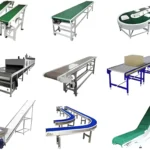
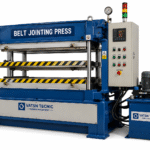 BELT JOINTING PRESS
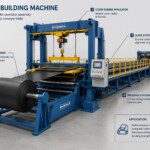 Belt Building Machine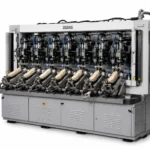
 Eva Footwear Injection Molding Machines
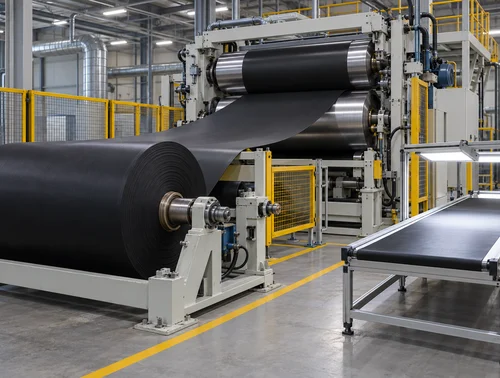
 Hawaii Slipper Sole Sheet Machine
 Eva Sole Sheet Splitting
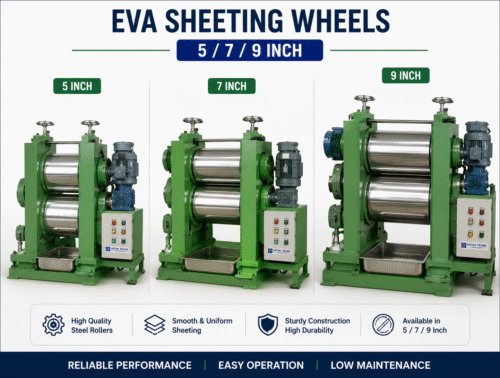 Eva Sheeting Wheels 5/7/9
 PVC Flooring Machine
 Plastic Pelletizing Line
 Filler / Masterbatch / PVC / TPR / EVA
 Breaker – Cracker Mill
 Shredder – Rasper Machines
 Waste Rubber Crumb Grinder Mill
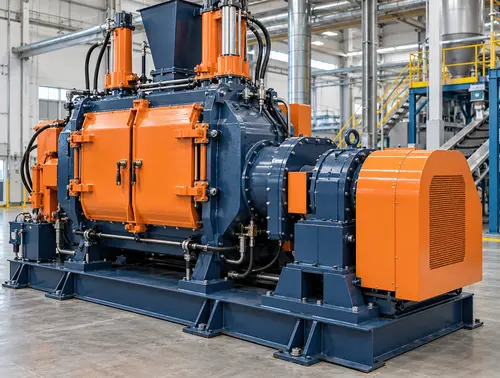
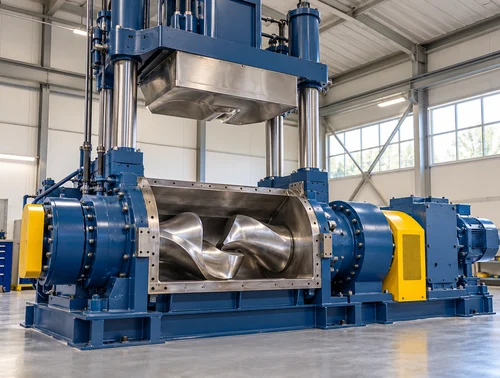
Best Dispersion Kneader Maker in Baddi

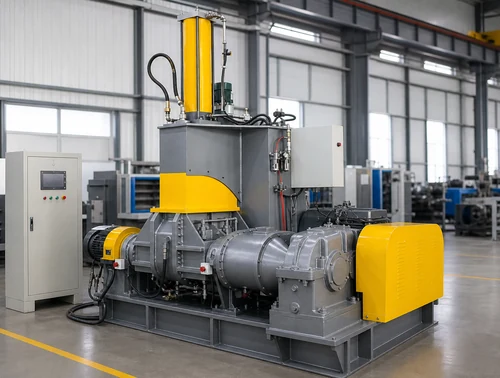
When a Dispersion Kneader Baddi machine is being considered, the best choice is not determined by a “top” claim alone. It should be selected after the compound, usable batch size, site utilities, safety provisions, and support scope have been verified. This approach can help a Baddi-area rubber processor obtain consistent mixing capability without accepting avoidable specification or commissioning risk.
A dispersion kneader, also known as an internal mixer, is designed to combine rubber with fillers, oils, pigments, and additives under controlled mechanical action. Better dispersion and repeatable batches can be supported when the machine, mixing sequence, and operator practices are matched. A buying decision should therefore be informed by process requirements, not by chamber volume or price alone.
Dispersion Kneader Baddi: which requirements should be defined?
The material recipe should first be understood. The intended proportion of natural or synthetic rubber, reclaimed rubber, carbon black, silica, oils, and curatives can influence the recommended rotor style, cooling arrangement, ram pressure, and discharge arrangement. The actual batch weight should be calculated from density and practical fill factor, since a chamber should not be run merely from its advertised litre capacity.
Motor power, torque, rotor speed, temperature monitoring, cooling-water connections, dust extraction, electrical supply, and floor loading should be confirmed before an order is placed. A production figure should be checked against the buyer’s own compound and proposed cycle time. It should also be established whether the quoted scope includes the control panel, safety devices, installation guidance, commissioning, and operator orientation.

How should a Dispersion Kneader Baddi maker be assessed?
A maker should be assessed on documented engineering and support, rather than only on a quotation. A detailed specification should be requested for chamber volume, usable batch range, rotor configuration, motor and gearbox, cooling circuit, electrical controls, interlocks, and included accessories. The responsibility for delivery, installation, testing, commissioning, and training should be stated in writing.
Useful evidence can include layout drawings, photos or video of the actual equipment, a utility checklist, inspection records, and a recommended spares list. If a trial is offered, the compound, batch weight, sequence, and acceptance points should be agreed beforehand. By this method, different offers can be compared on equal terms and a machine can be selected for its process fit.
Comparison chart: buying a dispersion kneader
| Potential benefit | Potential drawback | How it can be addressed |
|---|---|---|
| More consistent dispersion may be achieved across batches. | Upfront investment and site preparation are required. | Budget for equipment, foundation, utilities, commissioning, and training. |
| Mixing cycles can be monitored with suitable controls. | Poor settings may still cause overheating or variable quality. | Use documented recipes, temperature limits, and trained operators. |
| Manual handling can be reduced in a planned workflow. | Cooling, extraction, and safe charging arrangements may be needed. | Confirm utility capacity and safety measures before delivery. |
| Product traceability can be strengthened. | Wear parts and service access must be managed. | Keep maintenance records and agree on essential spare availability. |
Can a kneader-based compounding business be started in Baddi?
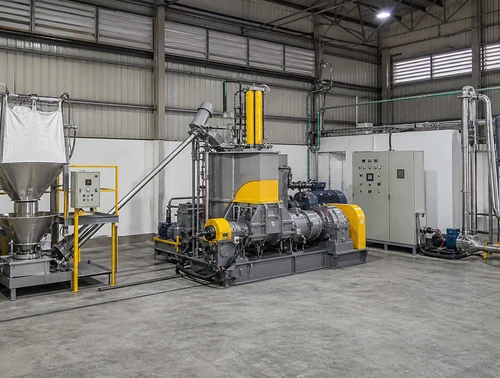
A rubber-compounding business can be developed where dependable demand, application knowledge, suitable staff, and working capital are available. The Dispersion Kneader Baddi unit should be viewed as one part of a controlled process. Ingredient storage, weighing, material movement, dust management, quality inspection, packaging, and downstream processing should be planned around the mixer.
Customer requirements should be validated for the intended end use, such as moulded components, mats, hoses, footwear parts, or reclaim-rubber products. Trial batches should be recorded and checked for dispersion, hardness, cure behaviour, and the relevant finished-product standard. A gradual capacity plan is usually more sustainable when quality systems and repeat orders are being developed together.
Comparison chart: starting a kneader-based operation
| Business opportunity | Business challenge | Practical control |
|---|---|---|
| Consistent compound quality can support repeat orders. | Raw-material price changes can affect cash flow. | Use supplier planning and controlled inventory levels. |
| Specialised formulas can create a differentiated offering. | Technical recipe control and testing are needed. | Document each formula and retain batch-test records. |
| Value may be added before moulding or extrusion. | Rework can become expensive if traceability is missing. | Assign batch numbers and retain reference samples. |
| Capacity can be expanded as demand becomes stable. | Utilities and staffing may be stretched by rapid growth. | Plan floor area, electrical load, cooling, and training in stages. |
Dispersion Kneader Baddi safety and maintenance guidance
Safety should be included in the purchase decision. Guards, emergency stops, electrical isolation, interlocks, and safe ingredient-charging methods should be demonstrated before handover. Operation should be performed only by trained personnel, and the equipment manual should be followed. Applicable site, electrical, and workplace-safety requirements should be reviewed by the buyer or a qualified professional.
Preventive maintenance should be scheduled for lubrication points, hydraulic connections, seals, cooling circuits, drive elements, and control-panel terminals. Temperature data and wear observations should be recorded, allowing planned service to be arranged before unexpected downtime is created. A documented service process can add meaningful value to a Dispersion Kneader Baddi investment.
Making a confident supplier enquiry
Vatsn Tecnic can be included in a maker comparison when the documented configuration and support scope meet the project requirement. An effective enquiry should state the material type, target batch weight, shift pattern, available power, cooling-water condition, downstream equipment, and site constraints. In this way, a suitable configuration can be discussed from practical evidence rather than assumption.
For supplier information, visit Vatsn Tecnic on IndiaMART.
To read more about rubber-making machinery, visit here.
Frequently asked questions
What is a dispersion kneader used for?
It is used to mix rubber and compound ingredients under controlled mechanical action so that dispersion and batch consistency can be improved.
How is the correct kneader size selected?
It should be selected from actual batch weight, material density, fill factor, formulation behaviour, and planned output rather than from chamber volume alone.
What utilities should be checked before installation?
Electrical load, cooling water, drainage, compressed air where specified, dust control, floor capacity, and machine-access routes should be reviewed.
Can reclaimed rubber be processed in an internal mixer?
It may be used in suitable compounds, but the recipe, temperature control, feed method, and downstream process should be assessed by a competent technical team.
What should be included in a maker quotation?
The specification, included accessories, delivery scope, site needs, commissioning, training, warranty, recommended spares, and service terms should be clearly listed.
How can batch quality be monitored?
Recipe records, weighed ingredients, mixing time, temperature data, visual checks, and appropriate laboratory tests should be used for the intended application.
Editorial note: This guide is designed to support an informed industrial purchase. Final machine selection, safety design, and process settings should be validated for the buyer’s materials, site, and applicable requirements.