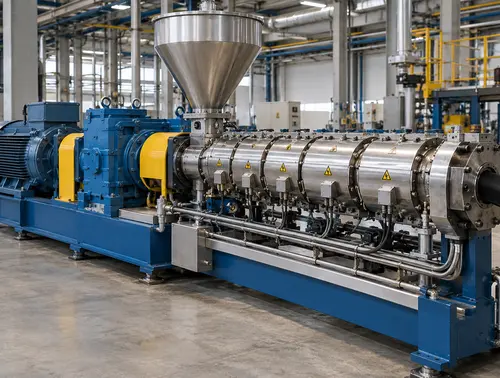
 Rubber Hot Feed Extruder
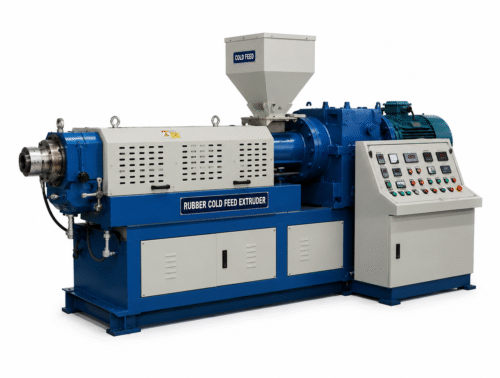 Rubber Cold Feed Extruder
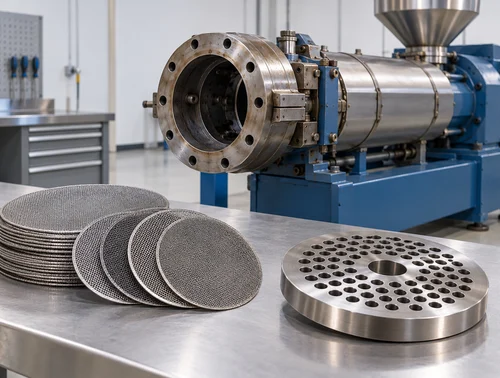
 Rubber Strainer – Reclaim Extruder
 Reclaim Rotary Autoclave
 Compression Molding
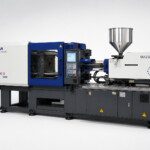 Injection Molding
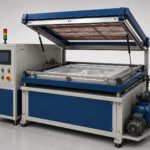 Vacuum Molding
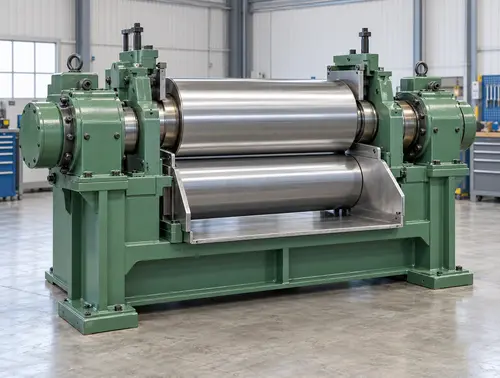
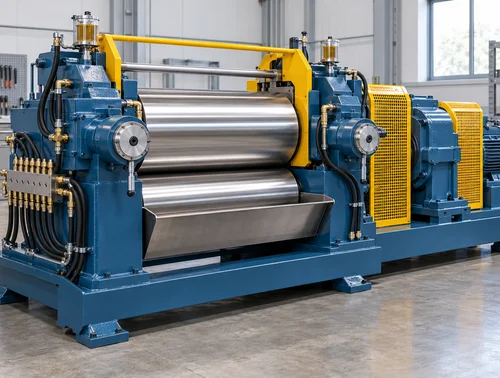
 Rubber EVA Refiner Mill
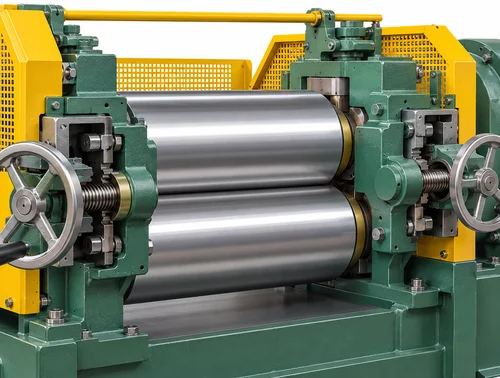
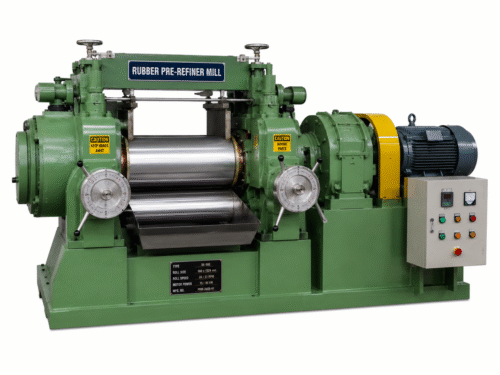 Rubber Pre-Refiner Mill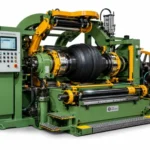
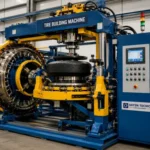 Tire Building Machine
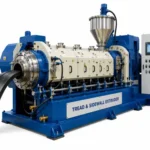 Tread & sidewall Extruder
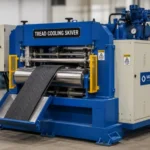 Tread Cooling skiver
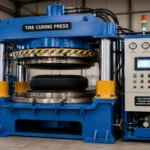 Tire curing press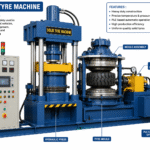
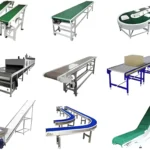
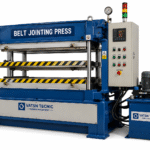 BELT JOINTING PRESS
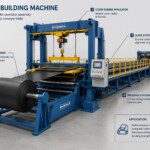 Belt Building Machine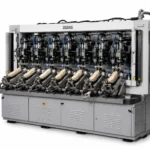
 Eva Footwear Injection Molding Machines
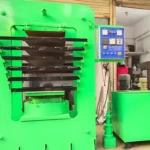 Hawaii Slipper Sole Sheet Machine
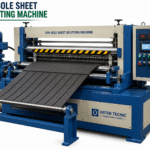 Eva Sole Sheet Splitting
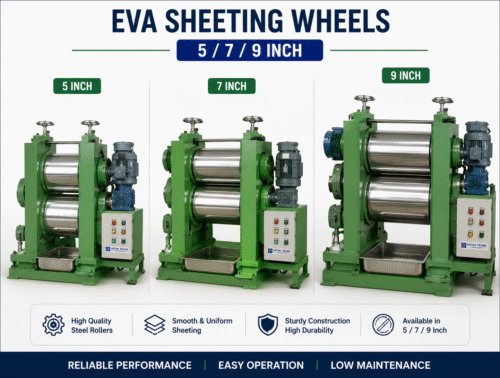 Eva Sheeting Wheels 5/7/9
 PVC Flooring Machine
 Plastic Pelletizing Line
 Filler / Masterbatch / PVC / TPR / EVA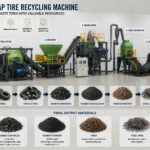
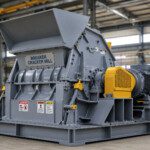 Breaker – Cracker Mill
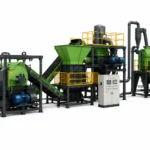 Shredder – Rasper Machines
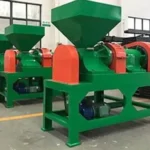 Waste Rubber Crumb Grinder Mill
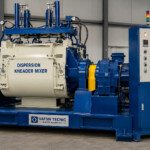
Top Dispersion Kneader Importer in Vasco da Gama

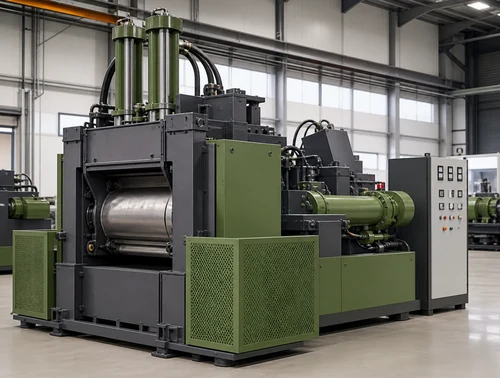
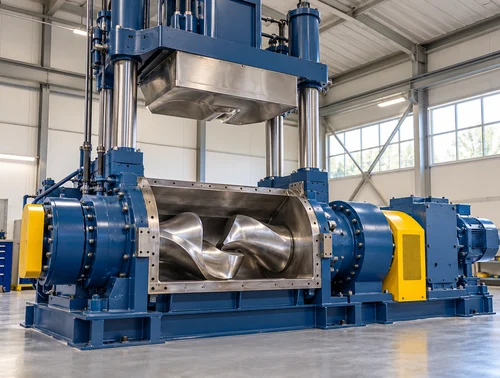
Choosing a Dispersion Kneader Vasco supplier can be made less risky when the machine is matched to the compound, planned batch size, utilities, and after-sales scope before an order is placed. For rubber processors in and around Vasco da Gama, the practical answer is to request documented specifications, inspect safety and service commitments, and compare the full operating requirement—not simply the initial quotation.
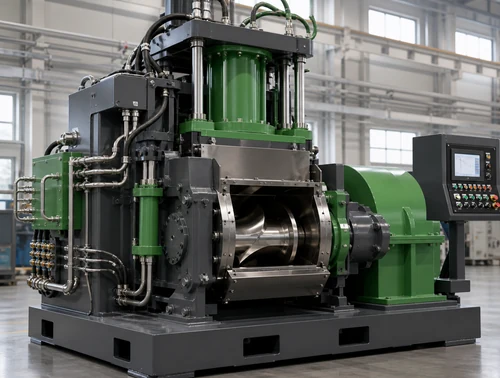
A dispersion kneader, also called an internal mixer, is used to blend rubber, fillers, oils, and additives into a more consistent compound. Its value is usually realised when repeatable mixing, lower handling variation, and controlled batch quality are needed. Because every formulation and production target differs, a buying decision should be supported by a process review rather than a generic capacity claim.
Dispersion Kneader Vasco: what should buyers check first?
Before a machine is shortlisted, the material being mixed should be identified. Natural rubber, synthetic rubber, reclaimed rubber, carbon black, silica, plasticisers, and curatives may each impose different demands on the chamber, rotor profile, cooling arrangement, and discharge system. A working batch size should be established from density and fill factor; a chamber should not be selected from a headline litre figure alone.
Motor power, rotor speed, torque, ram pressure, cooling-water connections, dust handling, and electrical supply should also be confirmed in writing. It should be clarified whether the quoted output is based on a real compound and cycle time or only on theoretical capacity. For a coastal industrial location, corrosion-conscious finishes, enclosed electrical components, and planned preventive maintenance should be discussed during the technical review.
How should a Dispersion Kneader Vasco importer be evaluated?
An importer should be assessed as a technical partner, not only as a seller. A clear specification sheet should be requested, covering chamber volume, usable batch range, rotor configuration, motor rating, gearbox arrangement, cooling circuit, safety interlocks, control-panel contents, and warranty terms. The scope for installation, commissioning, operator orientation, and spare-parts support should be recorded before commercial terms are finalised.
Evidence should be requested for the machine’s design, testing, and inspection process. Photos or video of the actual equipment, a layout drawing, a utility checklist, and a commissioning plan can be useful. If a demonstration compound is possible, its ingredients, batch weight, mixing sequence, and temperature limits should be agreed in advance. This approach helps an apples-to-apples comparison to be made and reduces the chance that important accessories are missed.
Comparison chart: buying a dispersion kneader
| Potential advantage | Possible limitation or cost | How it should be managed |
|---|---|---|
| More uniform compound dispersion can be achieved. | Capital expenditure and installation work are required. | Prepare a total-cost estimate covering foundation, utilities, and commissioning. |
| Batch consistency can be improved with controlled recipes. | Incorrect settings can still cause heat build-up or poor dispersion. | Use documented mixing cycles and train authorised operators. |
| Material handling may be streamlined. | Dust extraction and cooling provisions may be needed. | Confirm site utilities and environmental controls before delivery. |
| Production data can be monitored through suitable controls. | Spare parts and service access must be planned. | Obtain a recommended spares list and response process in writing. |
Can a kneader-based rubber compounding business be developed?
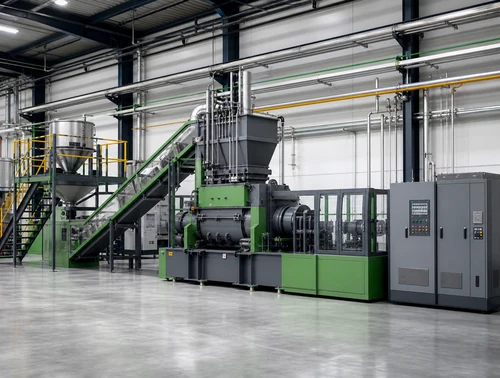
A compact compounding operation can be developed when there is dependable demand for consistent rubber mixes, clear quality control, and enough working capital for raw materials. The kneader is only one part of the process. Material storage, weighing, dust control, mill or downstream processing, inspection, packing, and customer approval are normally required around it. A realistic plan should therefore be prepared for the complete production flow.
Demand should be validated with the specific end use in mind: moulded goods, hoses, mats, conveyor components, footwear parts, or reclaim-rubber applications may require different recipes and testing. Trial batches should be retained, traced, and evaluated for dispersion, hardness, cure behaviour, and final-product performance. This discipline is often more valuable to a growing business than a rapid capacity expansion.
Comparison chart: starting a kneader-based operation
| Business opportunity | Business challenge | Practical response |
|---|---|---|
| Repeat customers may value consistent compound quality. | Raw-material prices and stock levels can affect cash flow. | Use approved supplier plans and a controlled purchasing budget. |
| Custom formulations can create specialised demand. | Formula knowledge and quality testing are required. | Document recipes and establish routine batch testing. |
| Value can be added before downstream moulding or extrusion. | Rejections can be expensive if traceability is weak. | Assign batch numbers and retain representative samples. |
| Capacity can be expanded as orders grow. | Unplanned expansion may strain utilities and staffing. | Plan floor space, power, water, and training in phases. |
Dispersion Kneader Vasco safety, maintenance, and buyer expertise
Machine safety should be treated as an operating requirement. Guards, emergency stops, interlocks, isolation procedures, and safe charging practices should be demonstrated before handover. The equipment should be operated only by trained personnel, and the manufacturer’s manuals should be followed. Local regulatory, electrical, and workplace-safety requirements should be checked by the buyer or a qualified site professional.
Routine care should be scheduled for lubrication points, seals, cooling lines, hydraulic systems, drive components, and control-panel connections. Wear data should be recorded so that parts can be planned before an avoidable stoppage occurs. A service record, spare-parts list, and named escalation route can strengthen the long-term value of a Dispersion Kneader Vasco purchase.
Why technical documentation matters
Vatsn Tecnic can be considered during a supplier comparison where the documented configuration, application fit, and support scope meet the project requirement. A responsible enquiry should include material type, desired batch weight, shift plan, available power, cooling-water details, downstream equipment, and site constraints. In this way, a suitable Dispersion Kneader Vasco configuration can be discussed on evidence rather than assumption.
For supplier information, visit Vatsn Tecnic on IndiaMART.
To read more about rubber-making machinery, visit here.
Frequently asked questions
What is a dispersion kneader used for?
It is used to mix rubber and compound ingredients under controlled mechanical action so that dispersion and batch consistency can be improved.
How is the right kneader size selected?
It should be selected from the actual batch weight, material density, fill factor, formulation behaviour, and planned output, not from chamber volume alone.
Which utilities should be checked before installation?
Electrical load, cooling-water supply, drainage, compressed air where specified, dust control, floor loading, and access for handling should be reviewed.
Can reclaimed rubber be processed in an internal mixer?
It can be included in suitable compounds, but the formulation, feeding method, temperature control, and downstream process should be assessed with a competent technical team.
What should be included in an importer quotation?
The machine specification, included accessories, delivery scope, installation needs, commissioning, training, warranty, recommended spares, and service terms should be clearly listed.
How can batch quality be checked?
Recipe records, batch weights, mixing time, temperature data, visual inspection, and relevant laboratory tests should be used according to the finished-product requirement.
Editorial note: This guide is intended to support an informed industrial buying decision. Final machine selection, safety design, and process settings should be validated for the buyer’s own materials, site, and applicable requirements.