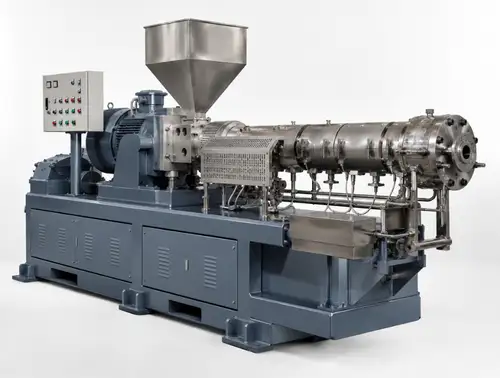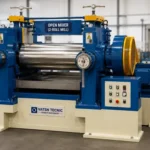

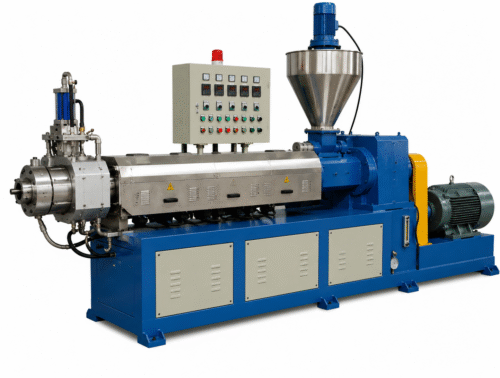
 Rubber Hot Feed Extruder
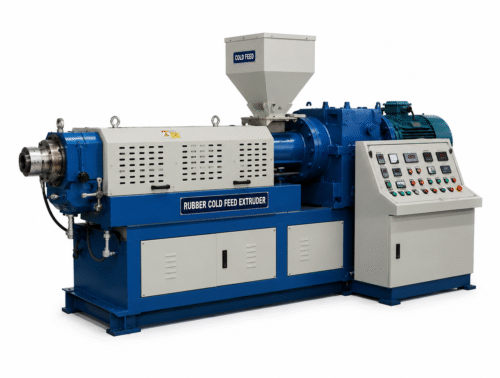 Rubber Cold Feed Extruder
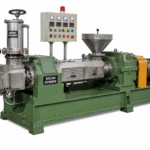 Rubber Strainer – Reclaim Extruder
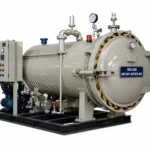 Reclaim Rotary Autoclave
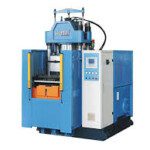 Compression Molding
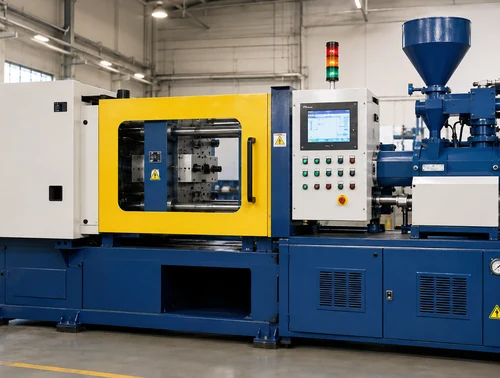
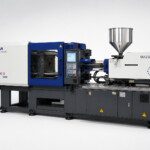 Injection Molding
 Vacuum Molding
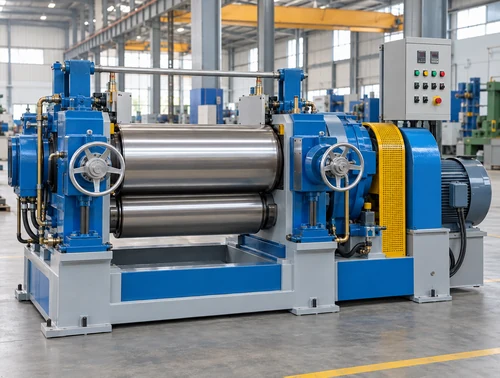
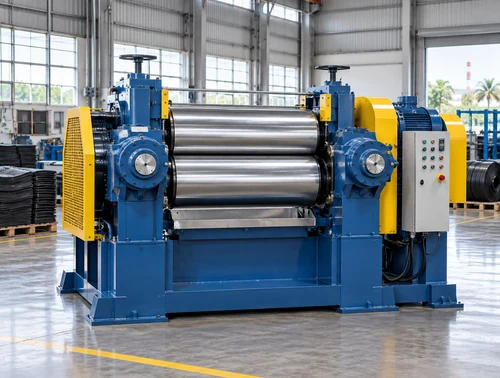
 Rubber EVA Refiner Mill
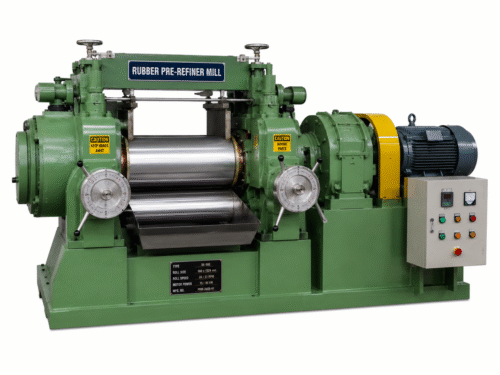 Rubber Pre-Refiner Mill
 Tire Building Machine
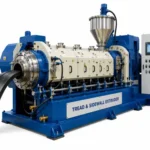 Tread & sidewall Extruder
 Tread Cooling skiver
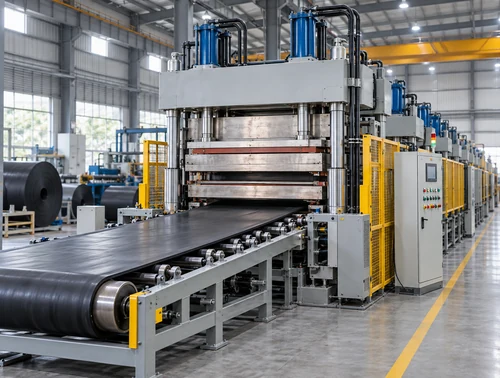
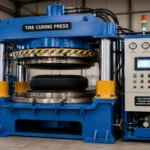 Tire curing press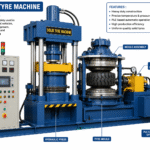
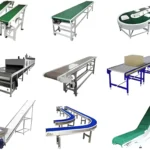
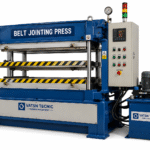 BELT JOINTING PRESS
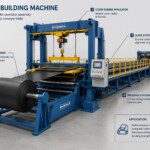 Belt Building Machine
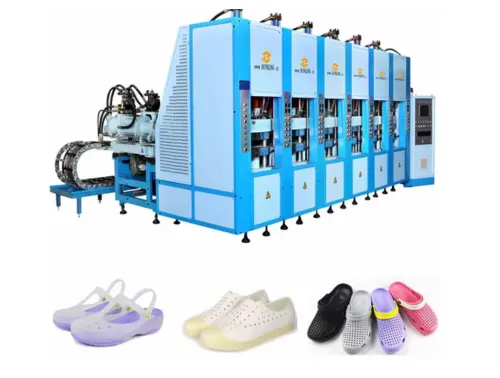
 Eva Footwear Injection Molding Machines
 Hawaii Slipper Sole Sheet Machine
 Eva Sole Sheet Splitting
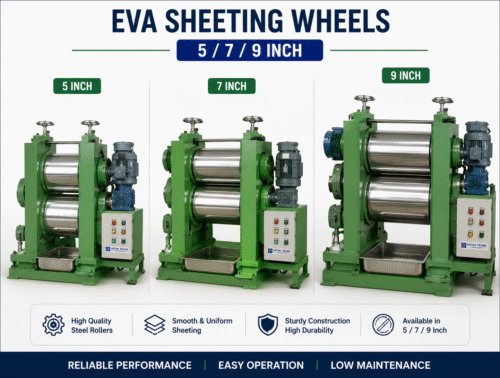 Eva Sheeting Wheels 5/7/9
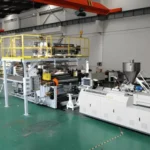 PVC Flooring Machine
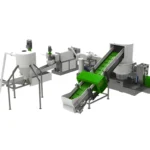 Plastic Pelletizing Line
 Filler / Masterbatch / PVC / TPR / EVA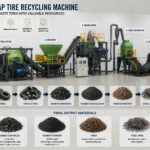
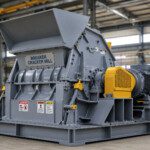 Breaker – Cracker Mill
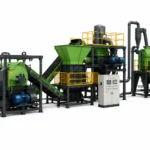 Shredder – Rasper Machines
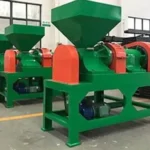 Waste Rubber Crumb Grinder Mill
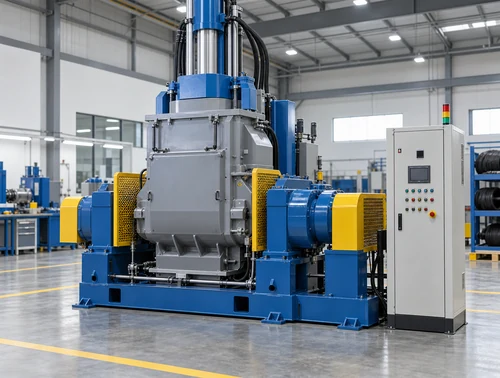
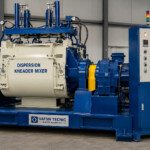
Expert of Dispersion Kneader Exporter in Raipur

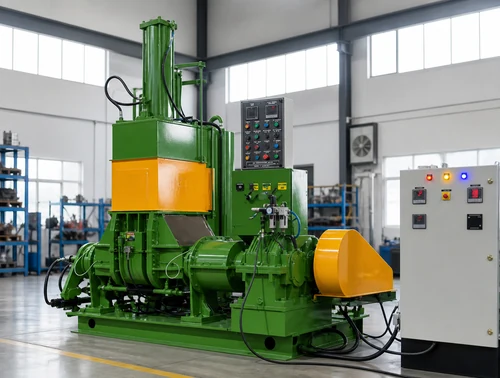
Can a dispersion kneader be sourced for a Raipur rubber-processing operation? Yes—when batch size, compound characteristics, mixing requirement, utilities, safety provisions, and service support are verified before an order is placed. The right machine should be selected through documented process needs rather than through price alone.
A dispersion kneader, often called an internal mixer, is used to combine rubber, fillers, oils, and additives in a controlled mixing chamber. It can be used in tyre, footwear, conveyor-belt, moulded-rubber, reclaim, and allied rubber applications. A clear selection process can help a buyer avoid inconsistent mixing, excessive downtime, and costly site changes after delivery.
Dispersion Kneader Raipur: What should be checked before selection?
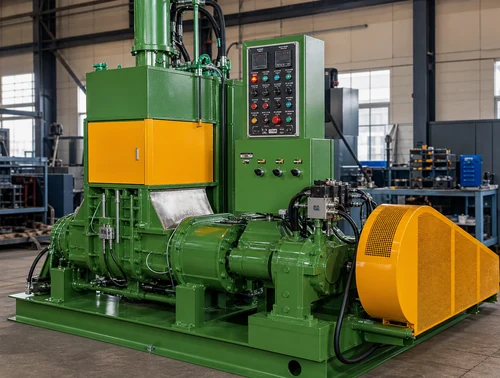
The required batch size should be established first. A 35-litre machine may be suitable for specific production requirements, but it should be matched with the actual compound volume, hourly output target, material density, and downstream process. The compound type, filler loading, oil addition, mixing cycle, discharge method, and temperature-control needs should be documented before a specification is requested.
The chamber, rotors, ram, gearbox, motor, cooling system, hydraulic or pneumatic controls, and electrical panel should be reviewed as one system. Where a used dispersion kneader is being considered, wear within the mixing chamber, rotor condition, seal performance, bearing condition, lubrication points, and control reliability should be assessed by competent personnel. A trial batch should be requested whenever it can be arranged.
How should a Dispersion Kneader Raipur exporter be evaluated?
An equipment supplier should be asked for a written technical scope. Chamber volume, motor rating, rotor type, cooling arrangement, discharge configuration, electrical load, foundation guidance, controls, safety equipment, included accessories, and expected delivery scope should be stated clearly. Installation, commissioning, spares, and operator training should also be discussed before commercial terms are agreed.
For Raipur buyers, site readiness should be reviewed early. Power supply, cooling-water availability, ventilation, material handling, crane access, foundation capacity, and maintenance clearance should be confirmed before the equipment is moved. If the kneader is intended to feed a mill, calender, extruder, or press, the full material path should be mapped in advance.
Comparison chart: buying a dispersion kneader
| Potential benefit | Possible concern | Risk-reduction action |
|---|---|---|
| Batch consistency can be improved through controlled mixing. | Output may be lower than expected if batch size is mismatched. | Production targets and compound density should be confirmed. |
| Labour handling can be reduced in repeat mixing operations. | Training and process discipline will still be required. | SOPs and operator training should be planned. |
| Used equipment can lower initial capital cost. | Wear, sealing, or electrical repairs may be needed. | Inspection findings and refurbishment scope should be documented. |
| More rubber-product capability can be developed. | Downstream processing equipment may become a bottleneck. | The full line should be assessed before investment. |
Can a dispersion-kneader-based business be developed in Raipur?
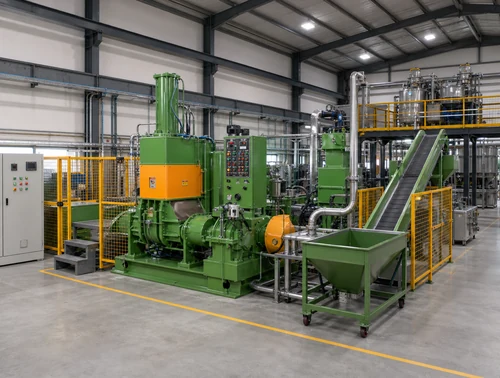
A dispersion-kneader-based operation can be considered when product demand, raw-material supply, working capital, technical staffing, and compliance needs have been assessed. The machine should be treated as one part of a production system. Ingredient storage, weighing, feeding, discharge, sheet handling, quality testing, maintenance, packing, and dispatch should be planned around it.
Potential orders should be reviewed for repeatability, batch size, payment cycle, quality requirements, and delivery expectations. Local demand from rubber-product manufacturers, footwear businesses, conveyor-belt operations, and industrial suppliers may be assessed. The planned throughput should then be compared with available space, utilities, labour, quality-control capability, and maintenance capacity.
Relevant internal mixer and Banbury equipment and other rubber processing machinery should be considered together when a wider line is planned. This can help integration issues be identified before installation.
Comparison chart: starting a dispersion-kneader business
| Business opportunity | Challenge that may be faced | Planning response |
|---|---|---|
| Compound mixing capability can be brought in-house. | Capital and working-capital needs can be substantial. | Cash-flow assumptions should be tested before investment. |
| Specialised compound requirements can be served. | Quality variation can affect customer acceptance. | Testing procedures and batch records should be established. |
| External mixing dependence can be reduced. | Downtime can disrupt production schedules. | Preventive maintenance and critical spares should be planned. |
| New product segments can be pursued. | Demand may be concentrated among a few customers. | Customer segments and order sources should be diversified. |
Why safety, maintenance, and E-E-A-T matter
Mixing equipment includes powerful rotors, a closing ram, moving drives, electrical controls, and heavy material handling. Guards, interlocks, emergency-stop devices, isolation procedures, and safe cleaning methods should be demonstrated before the machine is accepted. Site-specific risk assessments and applicable requirements should be reviewed by qualified safety and engineering personnel.
Buyer confidence is improved when technical facts, condition information, and limits are provided clearly. At Vatsn Tecnic, each Dispersion Kneader Raipur requirement is discussed through application, capacity, condition, available utilities, and practical operating requirements. Final engineering, safety, compliance, and financial decisions should be validated by the buyer’s qualified team.
Explore our company profile: Visit Vatsn Tecnic on IndiaMART.
To read more about Rubber Making Machine, visit here.
Frequently asked questions
What batch size should be chosen?
Batch size should be selected from the compound requirement, planned output, and downstream process. A documented production requirement should be prepared before machine options are compared.
Should a new or used dispersion kneader be purchased?
A used machine may be suitable when chamber condition, rotors, seals, controls, safety systems, and total installed cost have been verified. A new machine may be preferred where warranty and updated controls are required.
What should be inspected on a used kneader?
Chamber wear, rotor condition, ram movement, seals, bearings, gearbox, motor, cooling circuits, electrical controls, and safety devices should be checked by competent personnel.
How should the site be prepared?
Foundation capacity, power supply, cooling-water connections, ventilation, crane access, ingredient handling, maintenance clearance, and safe operator access should be confirmed before delivery.
Can the kneader be connected to existing equipment?
Connection can be considered when discharge, material transfer, milling, sheeting, and quality-check stages are matched. A layout review should be completed before the machine is purchased.
Author note: This guide is general industrial equipment information. Dispersion-kneader selection and business decisions should be reviewed against site conditions by qualified technical, financial, and safety professionals.