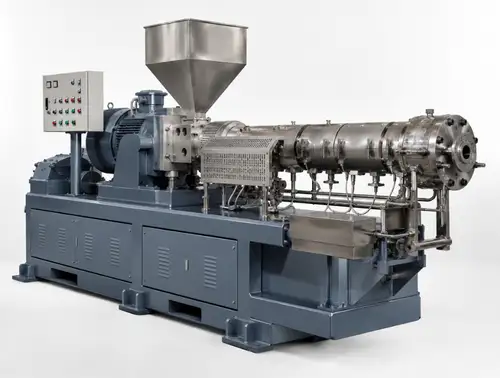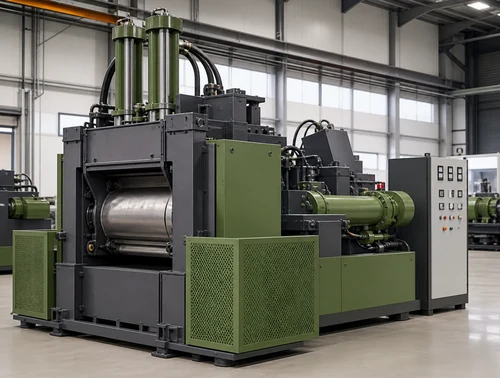
 Rubber Hot Feed Extruder
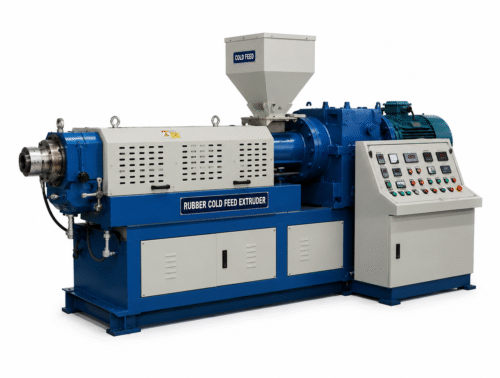 Rubber Cold Feed Extruder
 Rubber Strainer – Reclaim Extruder
 Reclaim Rotary Autoclave
 Compression Molding
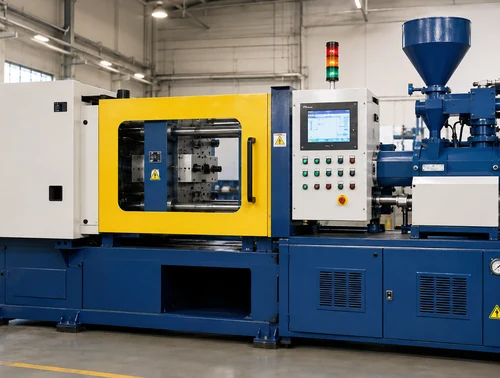
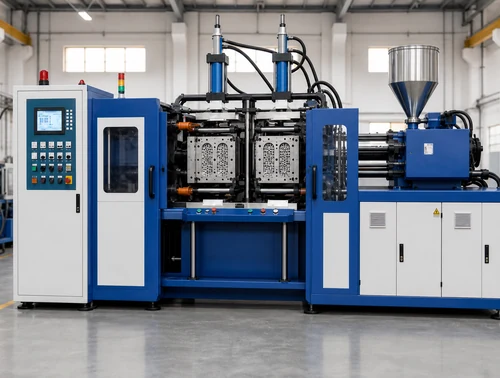
 Injection Molding
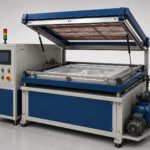 Vacuum Molding
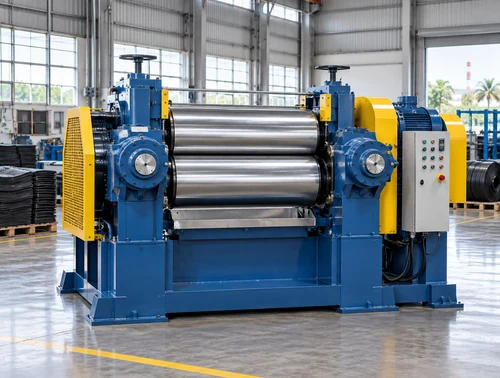
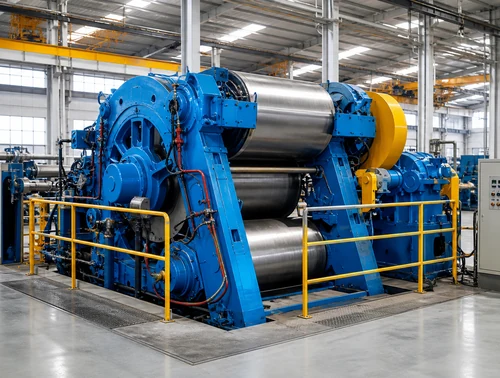
 Rubber EVA Refiner Mill
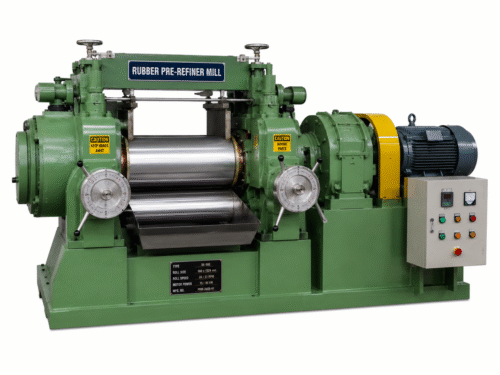 Rubber Pre-Refiner Mill
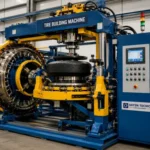 Tire Building Machine
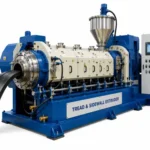 Tread & sidewall Extruder
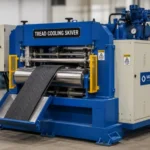 Tread Cooling skiver
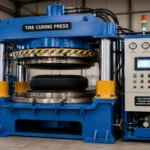 Tire curing press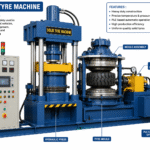
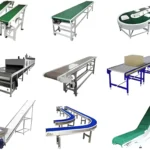
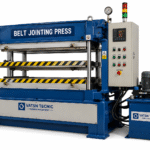 BELT JOINTING PRESS
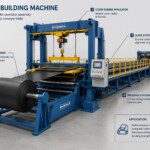 Belt Building Machine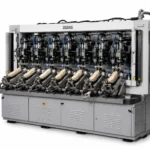
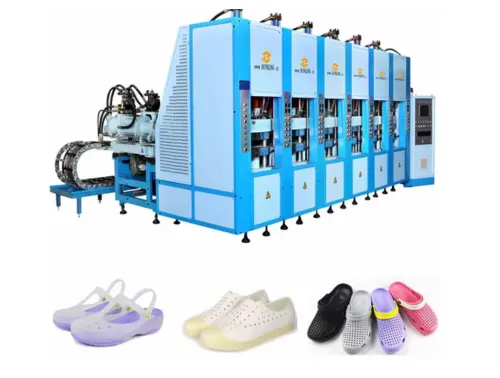
 Eva Footwear Injection Molding Machines
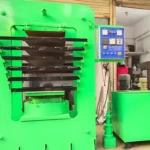 Hawaii Slipper Sole Sheet Machine
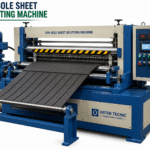 Eva Sole Sheet Splitting
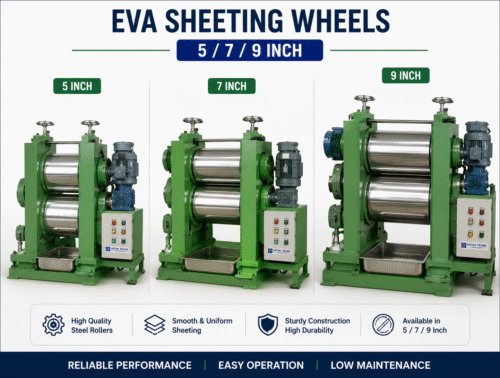 Eva Sheeting Wheels 5/7/9
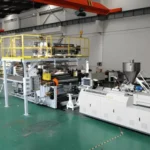 PVC Flooring Machine
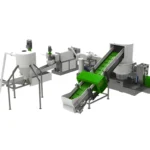 Plastic Pelletizing Line
 Filler / Masterbatch / PVC / TPR / EVA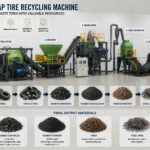
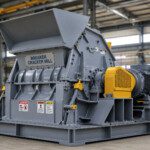 Breaker – Cracker Mill
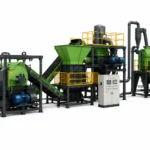 Shredder – Rasper Machines
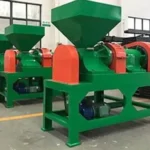 Waste Rubber Crumb Grinder Mill
How to Choose a Rubber Mixing Mill: A Practical Buyers Guide

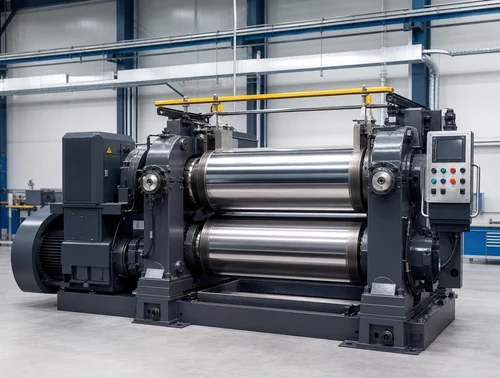
Choosing a rubber mixing mill is a high-impact decision for any rubber-processing operation. Whether you are setting up a new line, replacing an ageing machine, or evaluating a used two-roll mill, the right choice affects compound consistency, safety, maintenance, and long-term cost.
This practical guide explains the checks buyers should make before investing in a rubber mixing mill. It is designed for technical buyers comparing new and used equipment.
Start with the compound and the job you need the mill to do
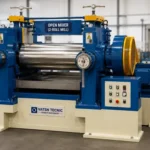
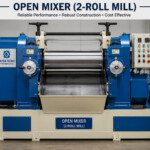
A rubber mixing mill should be selected around the material, batch requirement, and downstream process—not only the machine’s purchase price. Begin by documenting the polymers, fillers, oils, chemicals, and additives you plan to process. Natural rubber, SBR, NBR, EPDM, silicone, reclaim, and highly filled compounds can behave very differently during mastication and mixing.
Also define whether the mill will be used for laboratory development, small-batch production, warming, refining, sheeting, colour mixing, or a specific pre-forming operation. A mill that is suitable for batch warming may not deliver the control or output required for a demanding production compound. Clear input data helps a supplier recommend the right roll size, friction ratio, drive capacity, and cooling arrangement.
Match roll dimensions and working length to your output
The roll diameter, face length, and adjustable nip determine the practical batch size and sheet width a mill can handle. Larger rolls generally provide greater working capacity and thermal mass, while a longer face length can support wider sheets. However, bigger is not automatically better: an oversized mill may consume more energy, occupy valuable floor space, and be less efficient for small or frequent batches.
Ask for the usable roll face, not only the overall machine dimensions. Confirm the minimum and maximum nip opening, the expected batch range, and the thickness range needed for your downstream process. If the mill is feeding a calender, extruder, or cutting operation, align the mill’s output with the next stage of the line. This helps avoid a bottleneck after installation.
Evaluate roll condition, surface finish, and cooling
The rolls are the heart of the machine. Their condition directly affects compound handling, sheet finish, and repeatability. For a used rubber mixing mill, inspect the roll surface for scoring, corrosion, cracks, hard spots, excessive wear, or previous repairs. Check whether the rolls have been reground and ask for the current diameter, because repeated grinding reduces usable material over time.
Temperature control is equally important. Rubber mixing generates heat, and uncontrolled heat can change processing behaviour or reduce compound consistency. Verify the roll cooling passages, rotary joints, pipework condition, and available water or thermal-control capacity. For your intended compounds, discuss the required inlet conditions, flow, and temperature range with a qualified technical team.
Check friction ratio, drive, and speed control
A two-roll mill uses different roll speeds to create shear and work the compound. This relationship is known as the friction ratio. The right ratio depends on the application and the material being processed. Ask the supplier to state the front and back roll speeds, friction ratio, drive motor rating, gearbox details, and whether speed adjustment is available.
Variable-speed control can improve flexibility where a plant handles multiple compounds or needs tighter process control. It may also help operators adapt the machine to different batch sizes and production requirements. During evaluation, consider the full drive train—not only the motor nameplate. Inspect couplings, bearings, gears, lubrication points, guards, and electrical controls, particularly on used equipment.
Put safety and compliance at the centre of the decision
Rubber mixing mills are powerful machines with entanglement, pinch-point, heat, and noise hazards. A responsible purchasing decision includes a safety review before the machine enters your facility. Confirm the presence and working condition of emergency-stop arrangements, safety bars or trip systems, guards, braking performance, electrical isolation, and clear operator controls.
Safety provisions must be assessed against the machine’s design, your plant layout, local regulations, and your own risk assessment. Never rely on a visual check alone. Before commissioning, have competent personnel inspect the installation, test safety functions, prepare operating procedures, and train authorised operators. A lower-priced mill is not a value purchase if it requires major safety upgrades or causes avoidable downtime.
New vs. used rubber mixing mill: make a total-cost comparison
A new mill can offer current controls, a defined specification, warranty support, and easier integration into a modern line. A used mill can be a cost-effective option when it is technically suitable, properly inspected, and supported with a clear refurbishment scope. The useful comparison is total cost of ownership, not the advertised purchase price.
Include transport, unloading, foundation work, electrical connection, cooling utilities, installation, replacement parts, refurbishment, safety upgrades, and expected maintenance. For used machinery, ask for recent operating history, available service records, a trial run where possible, and a written list of included accessories. It is also sensible to clarify responsibilities for dismantling, loading, delivery, and commissioning before finalising the transaction.
Plan the installation before you place the order
A mill needs more than floor space. Review the foundation load, access for maintenance, overhead lifting, material movement, ventilation, drainage, electrical supply, and cooling-water connections. Leave enough working clearance for safe roll access, cleaning, and emergency response. If the machine will sit within a wider rubber processing machinery line, map the material flow from raw material to finished sheet.
Early planning reduces expensive changes after delivery. Share your layout, production goals, and available utilities with the supplier so technical discussions are based on your real operating conditions.
Choose a supplier who can support the decision
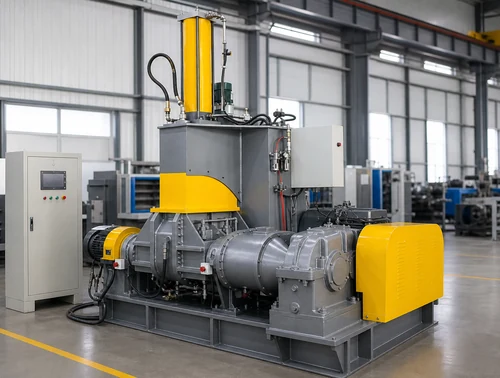
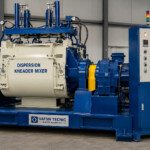
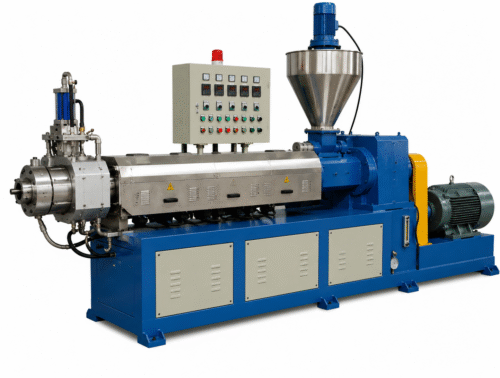
Good equipment is only one part of a successful purchase. Look for a supplier who can explain the machine specification in practical terms, provide clear condition information, and help you assess fit for your process. For specialised applications, you may also need advice on related equipment such as an internal mixer or Banbury mixer, hydraulic press, extruder, or sheeting line.
At Vatsn Tecnic, our focus is to help buyers and sellers navigate rubber machinery requirements with clear information and practical support. The final specification should always be validated by the buyer’s technical, maintenance, and safety teams before purchase and commissioning.
Explore our company profile: Visit Vatsn Tecnic on IndiaMART.
To read more about Rubber Making Machine, visit here.
Frequently asked questions
What is the most important factor when choosing a rubber mixing mill?
Start with the compound, batch size, and intended operation. These determine the right roll size, nip range, cooling, friction ratio, and drive requirements.
Is a used two-roll rubber mixing mill a good investment?
It can be, provided the rolls, bearings, drive, cooling circuits, controls, and safety systems are inspected carefully and the total cost of refurbishment and installation is understood.
How can I reduce risk before buying?
Prepare a written requirement, request technical specifications and condition details, inspect the machine where possible, confirm site utilities, and agree the scope of supply in writing.
Need help selecting a rubber mixing mill? Share your compound type, batch requirement, sheet width, available utilities, and preferred budget with the Vatsn Tecnic team. A structured discussion at the start can help you select equipment that supports reliable production for years to come.
Author note: This guide is intended as general equipment-selection information. Site-specific engineering, safety, and compliance decisions should be reviewed by qualified professionals.