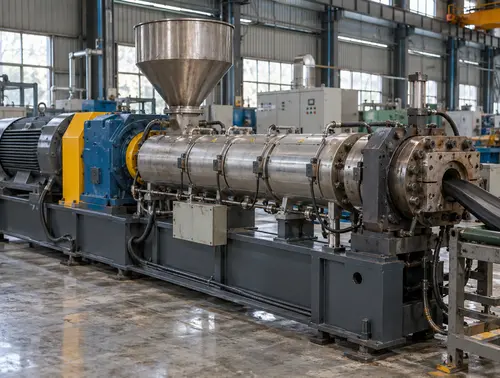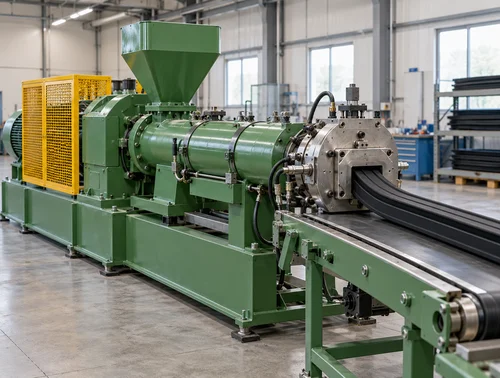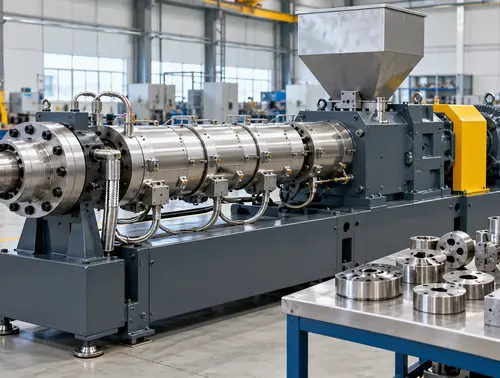
 Rubber Hot Feed Extruder
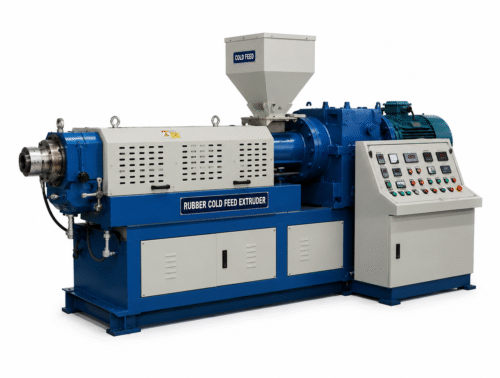 Rubber Cold Feed Extruder
 Rubber Strainer – Reclaim Extruder
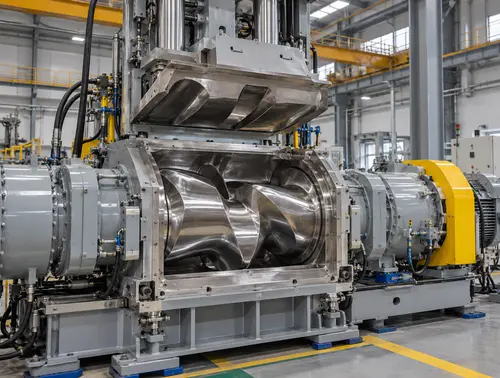
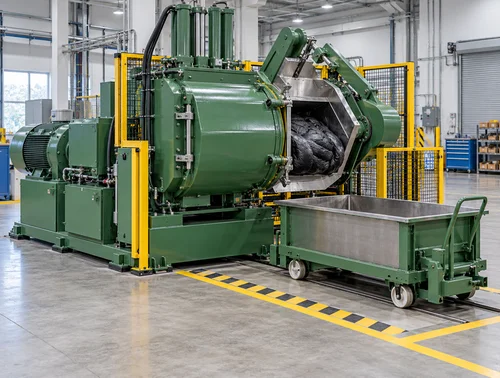
 Reclaim Rotary Autoclave
 Compression Molding
 Injection Molding
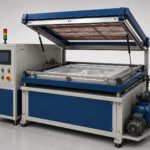 Vacuum Molding
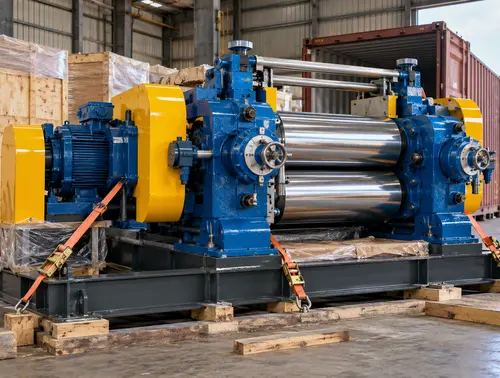
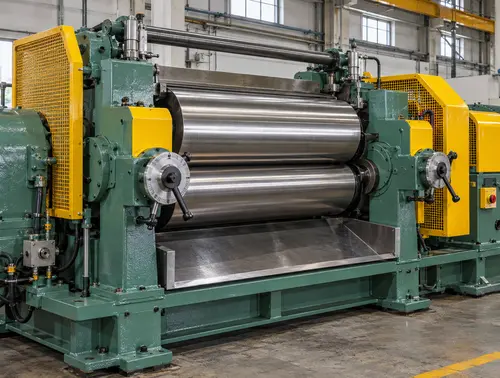
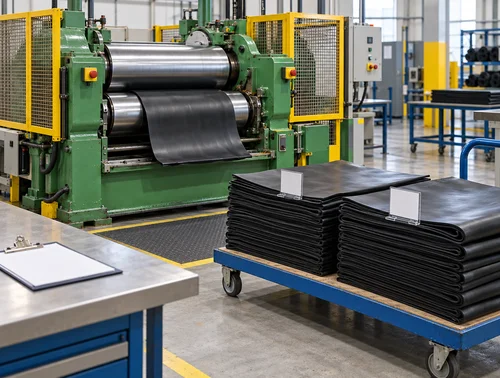
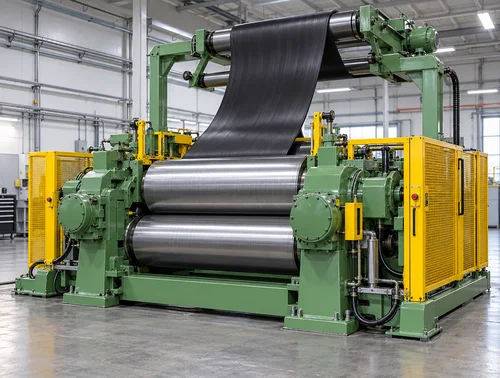
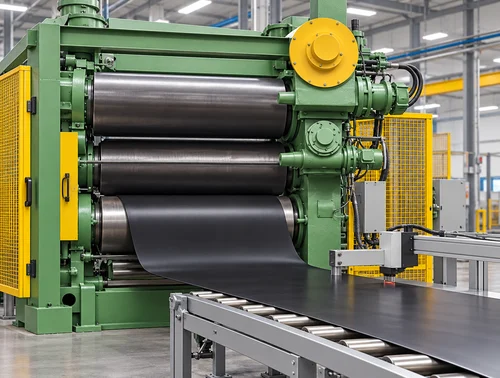
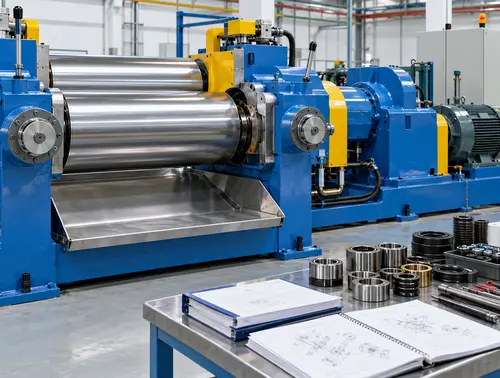
 Rubber EVA Refiner Mill
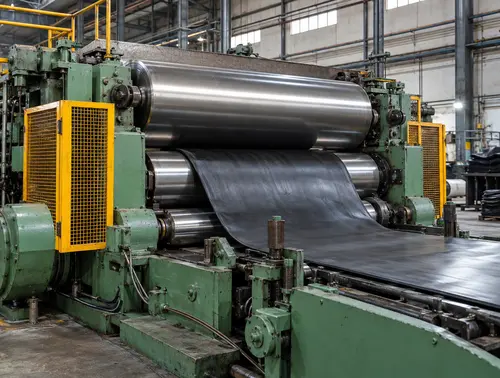
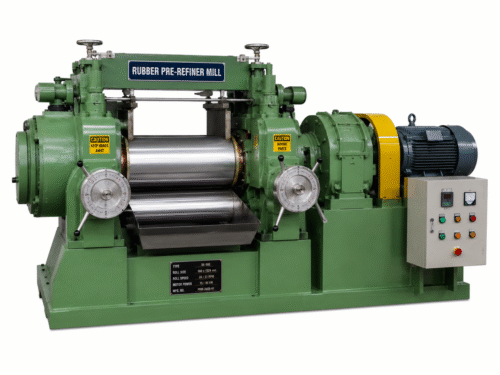 Rubber Pre-Refiner Mill
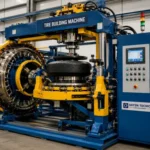 Tire Building Machine
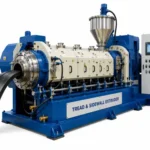 Tread & sidewall Extruder
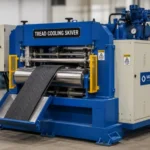 Tread Cooling skiver
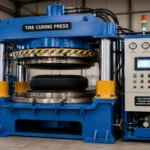 Tire curing press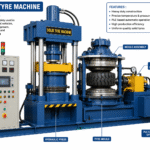
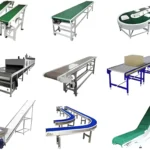
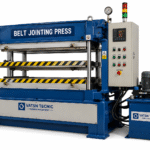 BELT JOINTING PRESS
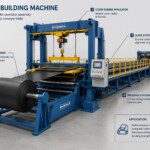 Belt Building Machine
 Eva Footwear Injection Molding Machines
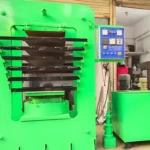 Hawaii Slipper Sole Sheet Machine
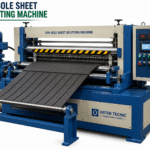 Eva Sole Sheet Splitting
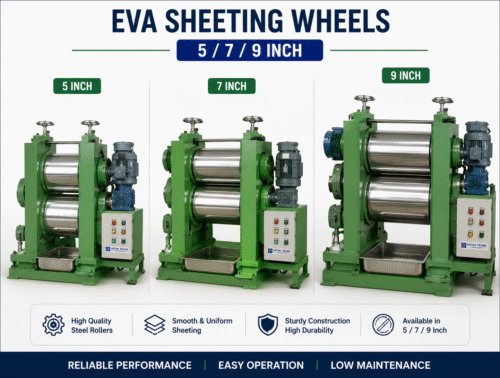 Eva Sheeting Wheels 5/7/9
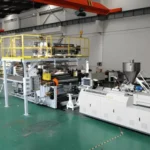 PVC Flooring Machine
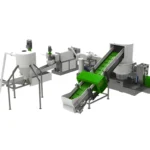 Plastic Pelletizing Line
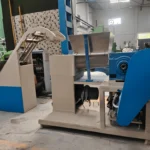 Filler / Masterbatch / PVC / TPR / EVA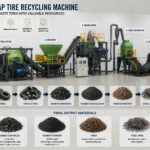
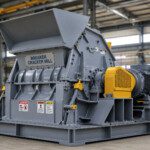 Breaker – Cracker Mill
 Shredder – Rasper Machines
 Waste Rubber Crumb Grinder Mill
Seller of Refiner Mill in Vasco da Gama

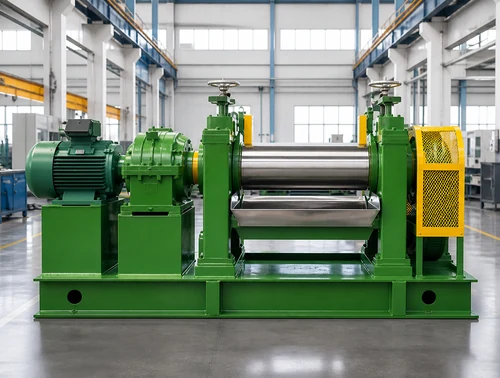
A Refiner Mill Vasco purchase should be made after the material, required roll gap, output target, utility capacity, safety scope, and service support have been verified. For processors in and around Vasco da Gama, the most suitable machine can be selected when its roll dimensions, drive, cooling needs, and downstream process are matched to the actual rubber-reclaim or compounding requirement.
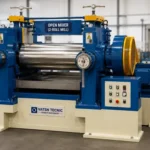
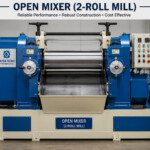
A refiner mill is used to refine, smooth, sheet, or rework rubber material through controlled two-roll action. It may be positioned within reclaim-rubber preparation or a wider rubber-processing line. Material quality is influenced by feed condition, roll temperature, friction ratio, gap setting, roll surface, and trained operation. A machine decision should therefore be supported by a practical process review rather than a catalogue capacity claim alone.
Refiner Mill Vasco: which requirements should be checked?
The material should first be identified. Reclaimed rubber, scrap-derived material, compound, and the required final sheet can behave differently between the rolls. The planned batch or feed rate, target sheet thickness, roll width, roll diameter, surface finish, and desired output should be documented. These details can affect the recommended drive power, gearbox, roll construction, roll-gap adjustment, and cooling arrangement.
Electrical load, cooling-water requirement, foundation condition, floor space, access for installation, safe material handling, and dust or fume controls should be assessed at the site. It should be confirmed whether the quotation includes safety guards, emergency stop devices, stock guides, lubrication, a control panel, installation support, commissioning, training, and recommended spares. Actual output should be compared with the buyer’s material and operating conditions.
How should a Refiner Mill Vasco seller be assessed?
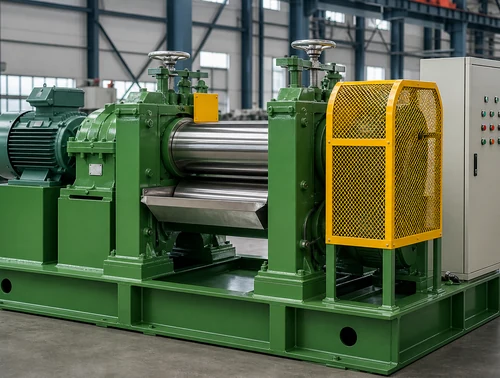
A seller should be assessed on documented configuration and reliable support rather than on an unverified “best seller” statement. A clear specification should be requested for roll size, roll material, drive motor, gearbox, bearings, gap adjustment, lubrication, guard design, electrical controls, and accessories. Scope for delivery, installation, testing, commissioning, operator guidance, warranty, and service response should be stated in writing.
Layout drawings, photos or video of the proposed machine, an inspection record, utility checklist, and spare-parts recommendations can be requested. If a trial is arranged, the buyer’s material, feed condition, desired output, sheet thickness, and acceptance criteria should be agreed in advance. This makes competing quotations easier to compare and helps important site work or accessories to be identified early.
Comparison chart: buying a refiner mill
| Potential advantage | Possible limitation | Practical control |
|---|---|---|
| Material refinement and sheet consistency may be improved. | Capital expenditure and installation work are required. | Plan equipment, utilities, foundation, safety, and commissioning costs together. |
| Roll gap can be adjusted for different processing needs. | Incorrect settings may affect material quality or overload the machine. | Use documented settings and authorised, trained operators. |
| A downstream reclaim or compounding step can be supported. | Feed preparation and handling must be organised. | Confirm upstream material condition and safe feed methods. |
| Process records can help repeatability. | Roll, bearing, and drive care must be scheduled. | Maintain inspection records and keep essential spares available. |
Can a refiner-mill-based rubber business be developed?
A refining operation can be developed where suitable material supply, clear customer demand, quality checks, and working capital are available. The Refiner Mill Vasco machine should be treated as one part of the complete flow. Receiving, sorting, pre-processing, material preparation, refining, cooling, inspection, packing, and dispatch should be planned around the machine rather than added as an afterthought.
The end use should be understood before output is marketed. Reclaim applications, rubber compounds, mats, moulded products, or other downstream uses may require different sheet characteristics and tests. Trial lots should be recorded and assessed for visual uniformity, thickness, contamination, processability, and any agreed customer requirement. Capacity should be expanded gradually after quality and repeat demand have been demonstrated.
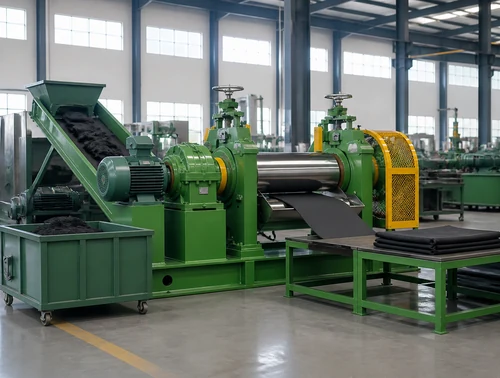
Comparison chart: starting a refining operation
| Business opportunity | Business challenge | Practical control |
|---|---|---|
| Consistent refined material can support repeat industrial orders. | Feedstock quality may vary across suppliers. | Set receiving checks and segregate material by condition. |
| Value can be added before compounding or moulding. | Energy, labour, and stock can affect cash flow. | Prepare a full operating-cost and inventory plan. |
| Specialised material grades may be developed. | Contamination or variation can cause customer rejection. | Maintain batch numbers, inspection records, and samples. |
| Output can grow after sales become stable. | Rapid expansion can strain utilities and maintenance capacity. | Plan floor space, power, cooling, and training in phases. |
Refiner Mill Vasco safety and maintenance guidance
Safety should be considered a non-negotiable operating requirement. Nip-point guards, emergency stops, safety cables, isolation points, safe feeding methods, and housekeeping should be reviewed before handover. The mill should only be operated by trained personnel, and the manufacturer’s procedures should be followed. Applicable site, electrical, and workplace-safety requirements should be confirmed by the buyer or a qualified professional.
Preventive maintenance should be scheduled for roll surfaces, bearings, lubrication, drive components, cooling connections, electrical terminals, and guards. Roll gap, alignment, vibration, and temperature observations should be recorded. Wear can then be addressed before a major stoppage is created, helping the value of a Refiner Mill Vasco investment to be protected.
Making a responsible seller enquiry
Vatsn Tecnic can be included in a seller comparison where the documented configuration and support scope meet the project need. A useful enquiry should state material type, required roll size, target output, available power, water or cooling needs, site layout, and intended downstream equipment. A suitable configuration can then be discussed on evidence rather than assumption.
For supplier information, visit Vatsn Tecnic on IndiaMART.
To read more about rubber-making machinery, visit here.
Frequently asked questions
What is a refiner mill used for?
It is used to refine, smooth, sheet, or rework rubber material through controlled two-roll processing.
How is the right roll size selected?
It should be selected from material type, required sheet width, feed rate, target thickness, and planned output.
Which utilities should be checked before installation?
Electrical supply, cooling water where specified, floor loading, ventilation, access routes, and safe material handling should be reviewed.
Can reclaimed rubber be processed on a refiner mill?
It can be processed where the material has been suitably prepared and the process settings are validated for the intended product.
What should be included in a seller quotation?
The specification, included accessories, delivery scope, installation needs, commissioning, training, warranty, spares, and service terms should be listed clearly.
How can refined material quality be monitored?
Feed records, roll settings, sheet thickness, visual checks, batch identification, and relevant tests should be documented.
Editorial note: This guide supports an informed industrial purchase. Final machinery selection, safety design, and operating settings should be validated for the buyer’s own material, site, and applicable requirements.