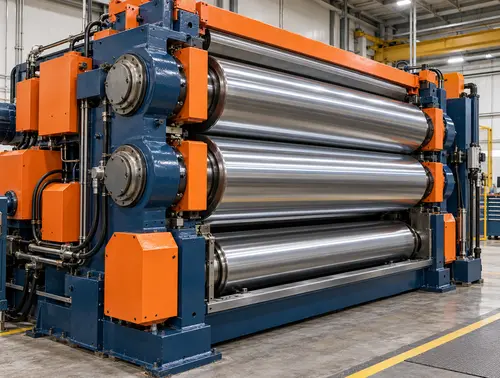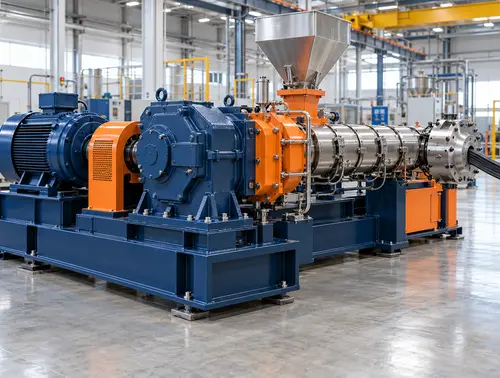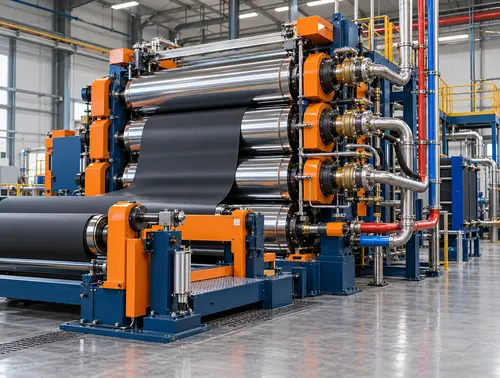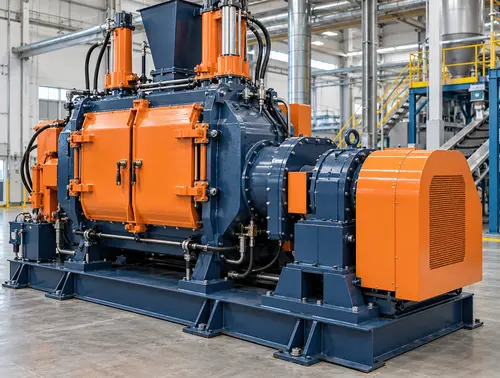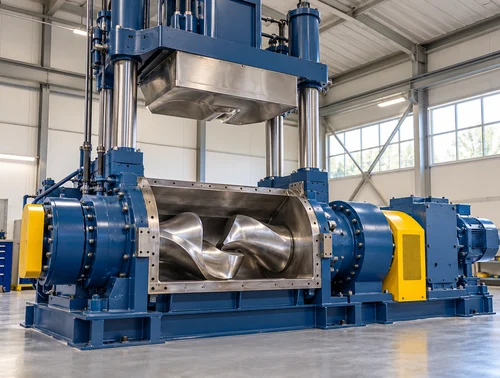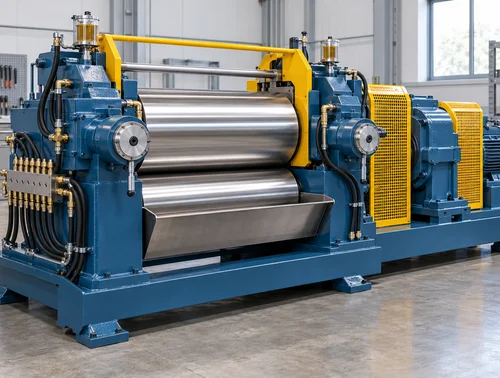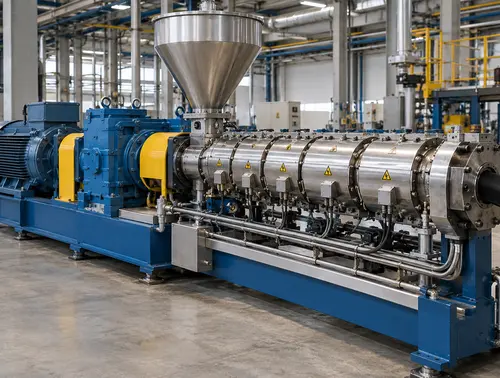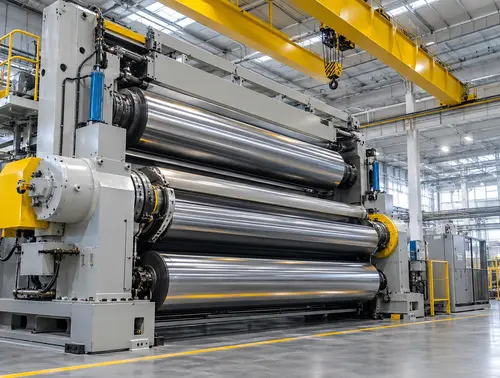
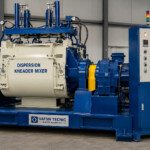
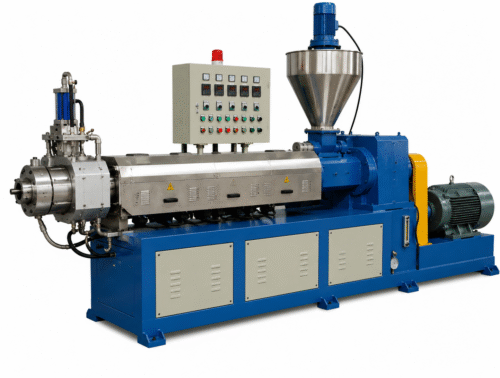
 Rubber Hot Feed Extruder
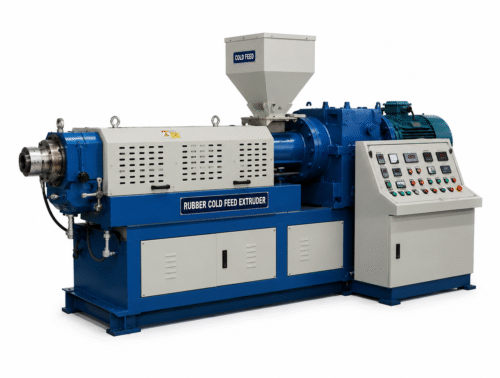 Rubber Cold Feed Extruder
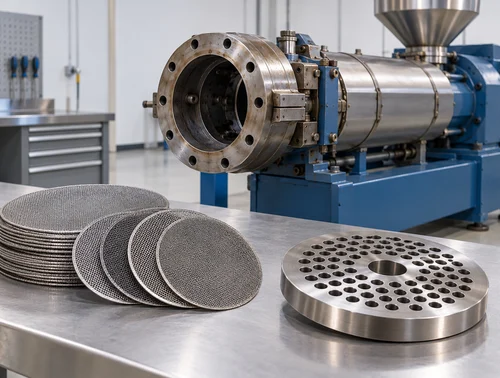
 Rubber Strainer – Reclaim Extruder
 Reclaim Rotary Autoclave
 Compression Molding
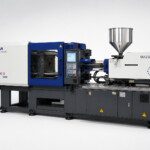 Injection Molding
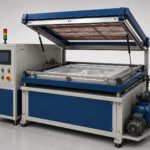 Vacuum Molding
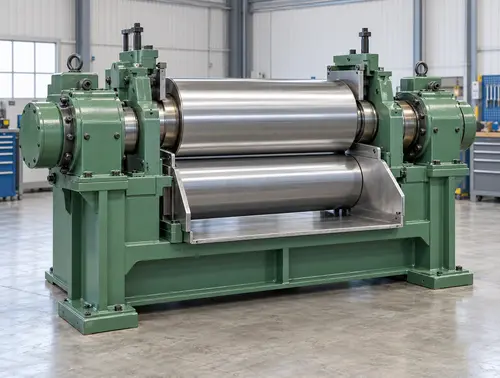
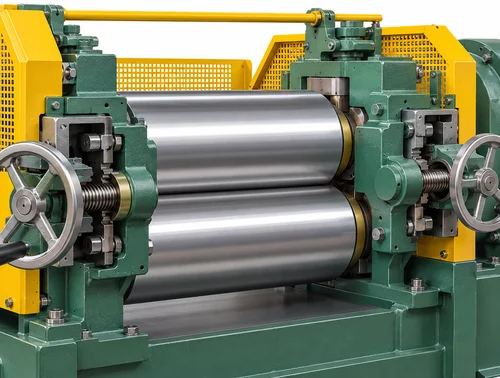
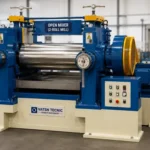
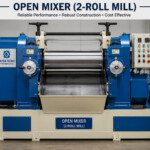
 Rubber EVA Refiner Mill
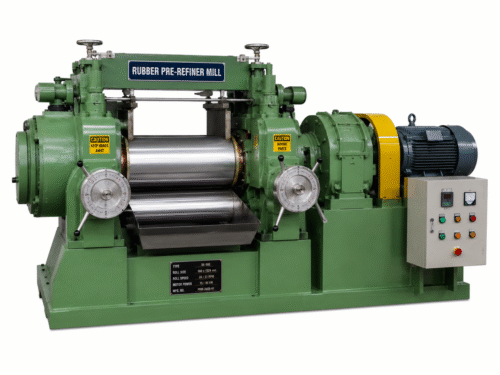 Rubber Pre-Refiner Mill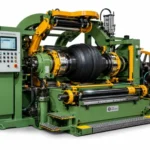
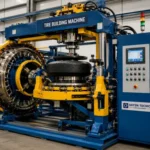 Tire Building Machine
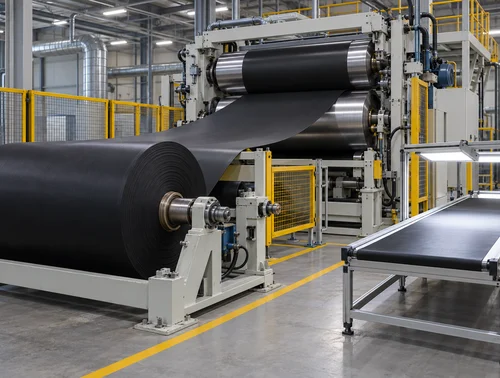
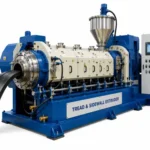 Tread & sidewall Extruder
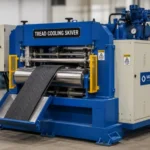 Tread Cooling skiver
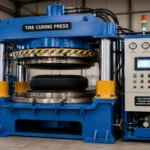 Tire curing press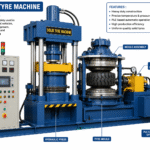
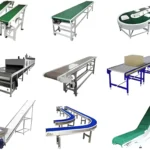
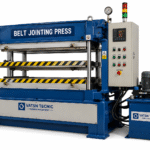 BELT JOINTING PRESS
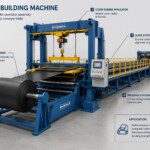 Belt Building Machine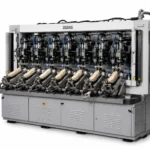
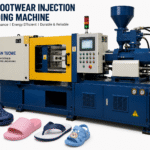 Eva Footwear Injection Molding Machines
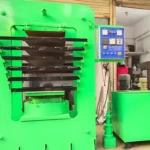 Hawaii Slipper Sole Sheet Machine
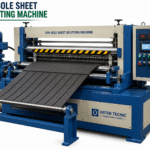 Eva Sole Sheet Splitting
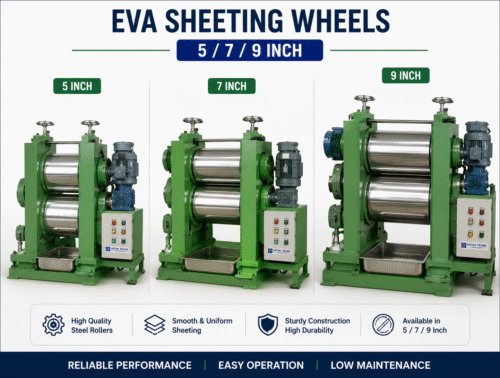 Eva Sheeting Wheels 5/7/9
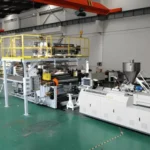 PVC Flooring Machine
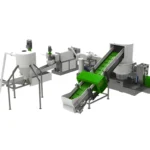 Plastic Pelletizing Line
 Filler / Masterbatch / PVC / TPR / EVA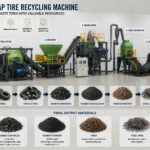
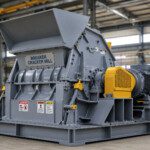 Breaker – Cracker Mill
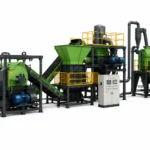 Shredder – Rasper Machines
 Waste Rubber Crumb Grinder Mill
Tyre Manufacturing Business Guide: 5 Things You Must Know First in 2026

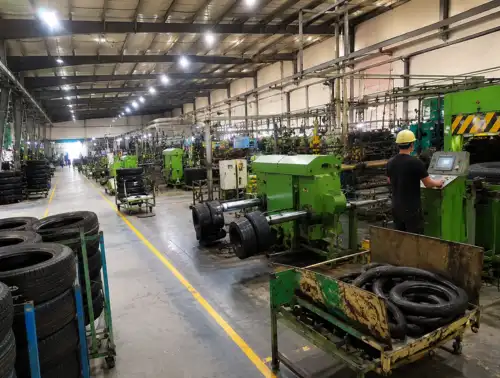
India’s tyre manufacturing industry continues to grow rapidly, driven by rising vehicle ownership, expanding logistics networks, infrastructure development, and increasing demand for replacement tyres. As one of the world’s largest automotive markets, India presents significant opportunities for entrepreneurs looking to enter the Tyre Manufacturing Business Guide.
Whether you are planning a small-scale manufacturing unit or a large automated production facility, understanding the industry’s requirements, investment costs, machinery, regulations, and market trends is essential for long-term success.
This guide covers everything you need to know before starting a tyre manufacturing business in India.
Tyre Manufacturing Business Guide Is a Growing Business Opportunity in India
Tyres are essential components for passenger vehicles, commercial trucks, buses, agricultural equipment, construction machinery, and two-wheelers. As India’s transportation and industrial sectors expand, demand for quality tyres continues to increase.
According to industry reports from organizations such as the Automotive Tyre Manufacturers Association (ATMA) and the India Brand Equity Foundation (IBEF), India’s tyre industry remains one of the country’s most important manufacturing sectors, contributing significantly to employment, exports, and industrial growth.
Several factors are driving market expansion:
- Increasing vehicle registrations
- Growth in e-commerce logistics
- Expansion of road infrastructure projects
- Rising demand for replacement tyres
- Growth in agricultural mechanization
- Increasing exports of automotive products
These trends create opportunities for both established manufacturers and new entrants.
Tyre Manufacturing Business Guide and Understanding the Tyre Manufacturing Process
Before investing in machinery, it is important to understand how tyres are produced.
A typical tyre manufacturing process includes:
Rubber Mixing
Natural rubber, synthetic rubber, carbon black, chemicals, and additives are blended using specialized mixing equipment.
Component Manufacturing
Different tyre components such as treads, sidewalls, beads, and inner liners are produced using extrusion and calendaring machines.
Tyre Building
The various components are assembled into a “green tyre” using a tyre building machine.
Curing and Vulcanization
The green tyre is placed inside a hydraulic curing press where heat and pressure transform it into a finished tyre.
Quality Inspection
Finished tyres undergo testing for durability, balance, dimensions, and structural integrity before being approved for sale.
Modern factories increasingly automate these processes to improve efficiency, consistency, and production output.
5 Things You Must Know from Tyre Manufacturing Business Guide Before Starting a Tyre Manufacturing Business
Successful tyre manufacturers begin with a clear understanding of market demand.
Research should focus on:
- Passenger vehicle tyre demand
- Commercial vehicle tyre demand
- Agricultural tyre demand
- Replacement market opportunities
- Regional distribution networks
- Competitor analysis
Identifying your target segment helps determine production capacity and machinery requirements.
Select the Right Manufacturing Machinery
Machinery quality directly affects productivity, product consistency, and operating costs.
Essential tyre manufacturing equipment includes:
Rubber Mixing Mill
Used for blending rubber compounds and additives.
Rubber Extruder Machine
Produces tyre treads and sidewall components.
Tyre Building Machine
Assembles tyre components into green tyres.
Hydraulic Curing Press
Performs vulcanization and determines final tyre shape.
Quality Testing Equipment
Ensures compliance with quality and safety standards.
Conveyor and Material Handling Systems
Improve production flow and reduce manual labor.
Investing in reliable machinery often reduces downtime and maintenance expenses.
Estimate Total Investment Requirements
Investment costs vary depending on production scale, automation level, and facility size.
Approximate Investment Range
| Business Scale | Estimated Investment |
|---|---|
| Small Unit | ₹50 Lakhs – ₹2 Crore |
| Medium Unit | ₹2 Crore – ₹10 Crore |
| Large Automated Plant | ₹10 Crore – ₹100 Crore+ |
Additional expenses include:
- Land acquisition
- Factory construction
- Utilities
- Raw materials
- Workforce recruitment
- Regulatory approvals
- Working capital
A comprehensive financial plan is critical before launching operations.
Ensure Regulatory Compliance
Tyre manufacturing involves environmental and industrial regulations.
Businesses may need approvals related to:
- Factory licensing
- Pollution control regulations
- Fire safety compliance
- Labor laws
- BIS standards (where applicable)
- Industrial safety requirements
Compliance not only avoids legal issues but also improves credibility among customers and business partners.
Develop Strong Distribution Networks
Manufacturing success depends on efficient product distribution.
Potential sales channels include:
- Authorized tyre dealers
- Automobile distributors
- Fleet operators
- Agricultural equipment suppliers
- OEM partnerships
- Online B2B marketplaces
Building a reliable distribution network helps maintain steady sales volumes.
Machinery Required for Tyre Manufacturing
| Machine Category | Approximate Investment | Business Benefit |
|---|---|---|
| Rubber Mixing Mill | ₹5–12 Lakhs | Consistent rubber compounds |
| Rubber Extruder Machine | ₹10–30 Lakhs | Efficient tread production |
| Tyre Building Machine | ₹20–50 Lakhs | Faster assembly |
| Hydraulic Curing Press | ₹15–40 Lakhs | Improved tyre quality |
| Testing Equipment | ₹5–20 Lakhs | Quality assurance |
| Conveyor System | ₹8–25 Lakhs | Better workflow |
| Automated Production Line | ₹2–10 Crore+ | High-volume manufacturing |
Actual costs vary depending on capacity, automation, and supplier specifications.
Raw Materials Required for Tyre Manufacturing
The primary raw materials used in tyre production include:
- Natural rubber
- Synthetic rubber
- Carbon black
- Sulfur
- Processing oils
- Steel wire
- Textile cords
- Chemical additives
Raw material quality significantly influences tyre performance and durability.
Advantages of Modern Automated Tyre Manufacturing
Manufacturers increasingly adopt automation to improve efficiency and competitiveness.
Benefits include:
Higher Production Capacity
Automated systems produce more tyres within shorter production cycles.
Better Product Consistency
Advanced controls reduce manufacturing defects.
Lower Material Waste
Optimized production processes improve resource utilization.
Reduced Labor Dependence
Automation minimizes manual intervention.
Improved Energy Efficiency
Modern machinery consumes less energy while maintaining productivity.
Common Challenges in the Tyre Manufacturing Industry
Despite strong opportunities, entrepreneurs should prepare for industry challenges.
Raw Material Price Volatility
Rubber and petroleum-based material prices can fluctuate significantly.
High Capital Investment
Machinery and infrastructure require substantial upfront investment.
Regulatory Requirements
Environmental and safety compliance standards must be maintained consistently.
Competition
Established brands dominate many market segments, making product quality and pricing critical.
Skilled Workforce Availability
Operating advanced machinery requires trained technicians and production specialists.
Understanding these challenges helps businesses develop effective risk-management strategies.
Emerging Trends Shaping the Future of Tyre Manufacturing
The industry continues evolving through technological innovation.
Key trends expected to influence tyre manufacturing through 2027 include:
AI-Based Quality Inspection
Artificial intelligence helps identify defects faster and more accurately.
Smart Manufacturing Systems
Connected machinery enables real-time production monitoring.
Sustainable Production Methods
Manufacturers increasingly adopt environmentally friendly processes.
Energy-Efficient Equipment
Modern machines reduce operational costs and environmental impact.
Digital Production Monitoring
Advanced software improves process control and maintenance planning.
Businesses that embrace these technologies are often better positioned for long-term growth.
Why MSMEs Are Entering the Tyre Manufacturing Sector
Small and medium-sized enterprises are increasingly exploring tyre manufacturing opportunities due to:
- Growing domestic demand
- Improved machinery availability
- Financing support programs
- Expansion of automotive markets
- Increased industrial automation
With proper planning and strategic investment, MSMEs can successfully compete in specialized market segments.
Tyre Manufacturing Business Guide for Profitable Business in India?
Tyre manufacturing can be profitable when businesses focus on:
- Efficient production processes
- Quality control
- Reliable machinery
- Strong distribution networks
- Effective inventory management
- Market-specific product offerings
Profitability depends on production volume, operational efficiency, raw material costs, and market demand.
Companies that invest in automation and quality assurance often achieve stronger long-term returns.
Conclusion
India’s tyre manufacturing industry offers substantial opportunities for entrepreneurs willing to invest in modern production systems, quality standards, and market development. Growing vehicle ownership, infrastructure expansion, and replacement tyre demand continue to support industry growth.
Success depends on selecting the right machinery, maintaining regulatory compliance, controlling production costs, and building effective distribution networks. Manufacturers that embrace automation, quality control, and technological innovation are likely to remain competitive in the years ahead.
As the industry evolves, businesses that prioritize efficiency, sustainability, and customer satisfaction will be best positioned to benefit from India’s expanding tyre market.
https://www.indiamart.com/vatsntecnic/profile.html
To read More about Tire Making Machine Visit Here.
Frequently Asked Questions (FAQs)
What is the minimum investment required for a tyre manufacturing business?
Small-scale operations may require investments starting from ₹50 lakhs, while large automated facilities can require investments of several crores.
Which machine is most important in tyre manufacturing?
Tyre building machines and hydraulic curing presses are among the most critical pieces of equipment in the production process.
What raw materials are used to manufacture tyres?
Natural rubber, synthetic rubber, carbon black, sulfur, steel wire, textile cords, and specialty chemicals are commonly used.
Is tyre manufacturing profitable in India?
The industry can be profitable due to strong demand from both vehicle manufacturers and replacement markets, provided operations are managed efficiently.
Can MSMEs enter the tyre manufacturing industry?
Yes. Many MSMEs operate successfully by focusing on specific tyre segments and investing in suitable machinery.
Which states are major tyre manufacturing hubs in India?
Tamil Nadu, Gujarat, Maharashtra, Haryana, and Uttar Pradesh are among India’s major tyre manufacturing regions.
What are the biggest challenges in tyre manufacturing?
Raw material costs, regulatory compliance, machinery investment, market competition, and workforce development are among the most common challenges.