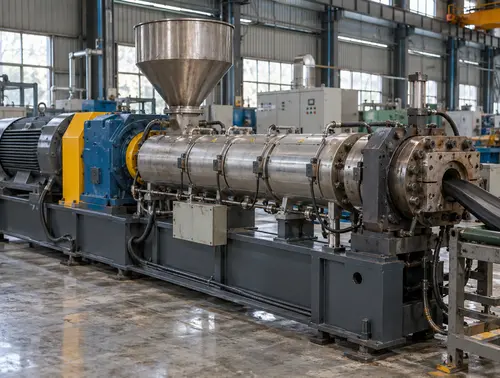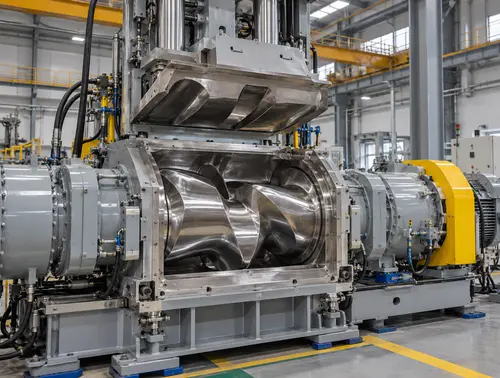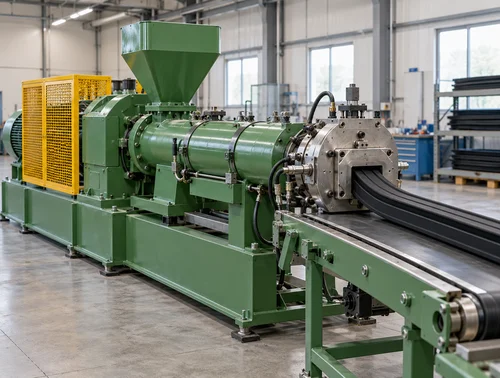
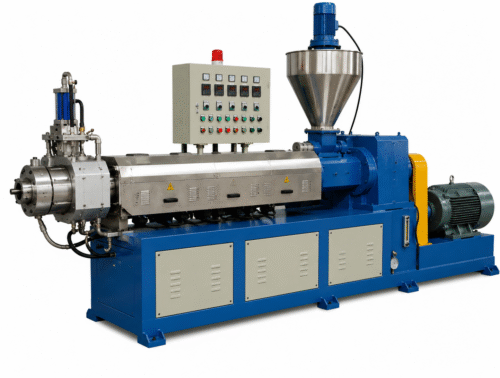
 Rubber Hot Feed Extruder
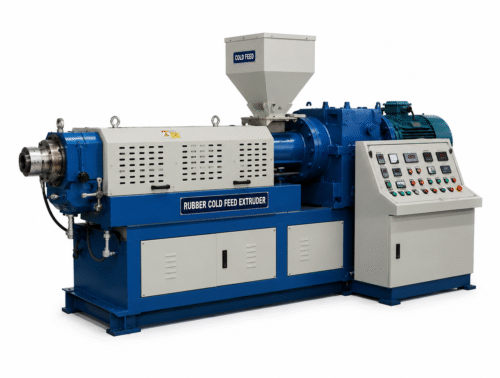 Rubber Cold Feed Extruder
 Rubber Strainer – Reclaim Extruder
 Reclaim Rotary Autoclave
 Compression Molding
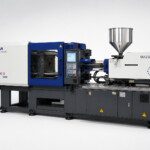 Injection Molding
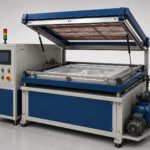 Vacuum Molding
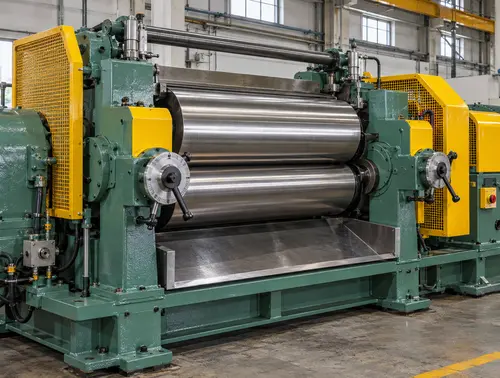
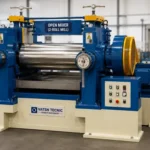
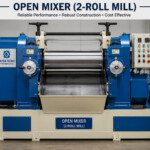
 Rubber EVA Refiner Mill
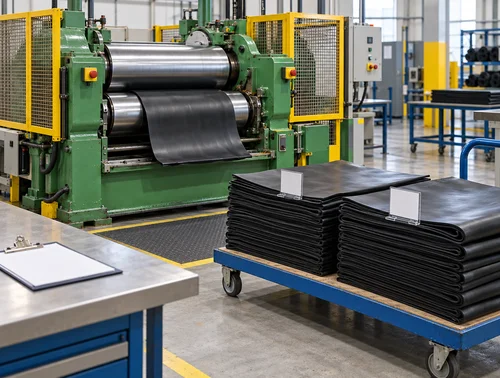
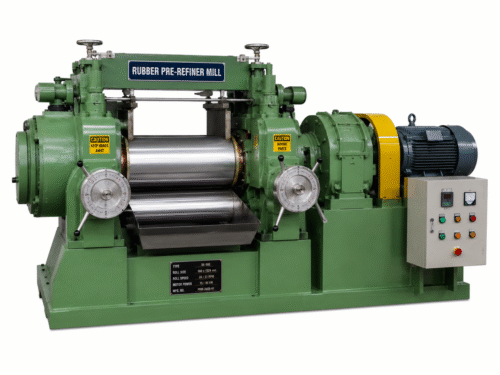 Rubber Pre-Refiner Mill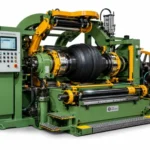
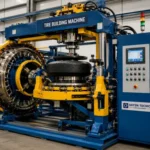 Tire Building Machine
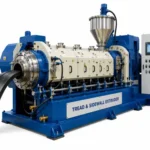 Tread & sidewall Extruder
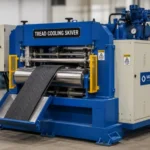 Tread Cooling skiver
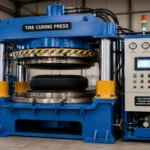 Tire curing press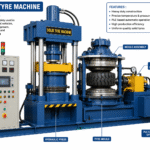
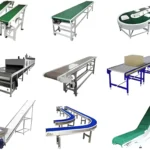
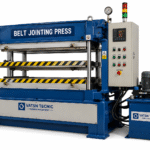 BELT JOINTING PRESS
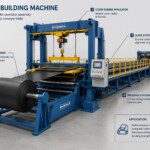 Belt Building Machine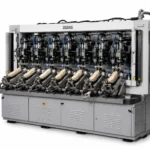
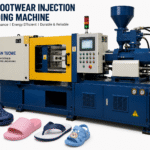 Eva Footwear Injection Molding Machines
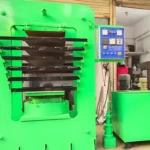 Hawaii Slipper Sole Sheet Machine
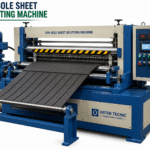 Eva Sole Sheet Splitting
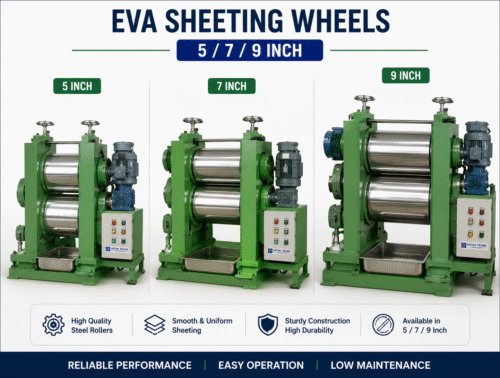 Eva Sheeting Wheels 5/7/9
 PVC Flooring Machine
 Plastic Pelletizing Line
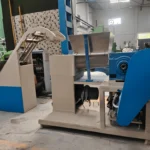 Filler / Masterbatch / PVC / TPR / EVA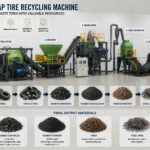
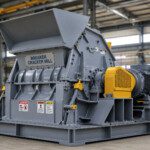 Breaker – Cracker Mill
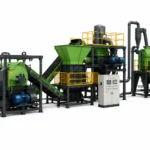 Shredder – Rasper Machines
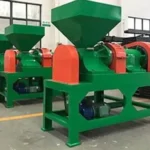 Waste Rubber Crumb Grinder Mill
Buy Rotocure Machine from Wholesaler in Patna

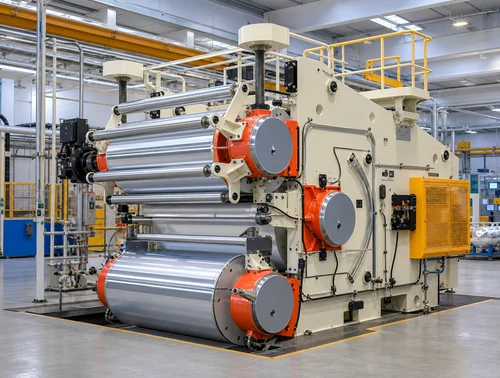
Can a reliable Rotocure machine be bought through a wholesaler in Patna? Yes—when the required belt or sheet specification, curing capacity, utilities, machine condition, safety provisions, and post-sale support are verified before the order is placed. A purchase should be based on documented technical fit rather than price alone.
A Rotocure machine is used for continuous curing and finishing of rubber sheets, conveyor belts, and related products. Because substantial heat, pressure, moving drums, and line integration are involved, the selection process should be handled through an application-led review. This guide has been prepared to help buyers in Patna and nearby industrial markets make a safer, better-informed purchase decision.
What is a Rotocure machine and where is it used?
A Rotocure, also called a rotary curing machine, is generally used where continuous vulcanisation, curing, or surface finishing of rubber material is required. Rubber sheets or belt constructions are passed through controlled rotating drums and a curing zone, where process conditions are maintained according to the intended product. Conveyor-belt production, rubber sheeting, coated fabric work, and selected industrial-rubber applications may be supported by this equipment.
The required configuration should be determined by the product width, thickness, compound behaviour, reinforcement type, curing method, line speed, and desired surface finish. A machine that is suitable for one belt construction should not automatically be assumed to suit another. Upstream mixing, calendering, feeding, and downstream cooling, winding, or inspection should be reviewed as part of the same production flow.
How should a Rotocure machine be evaluated before buying?
The machine specification should be requested in writing. Drum dimensions, usable working width, curing length, temperature-control method, drive arrangement, speed range, pressure system, electrical load, and utility requirements should all be documented. Where a pre-owned Rotocure is being considered, drum surfaces, bearings, gearboxes, hydraulic or pneumatic systems, insulation, piping, controls, and safety devices should be inspected by competent personnel.
A trial run should be requested when it is available. During the trial, material tracking, temperature stability, drum rotation, noise, vibration, emergency-stop response, and sheet or belt handling should be observed. Existing service records, refurbishment details, and the availability of critical spare parts should also be discussed before commercial terms are finalised.
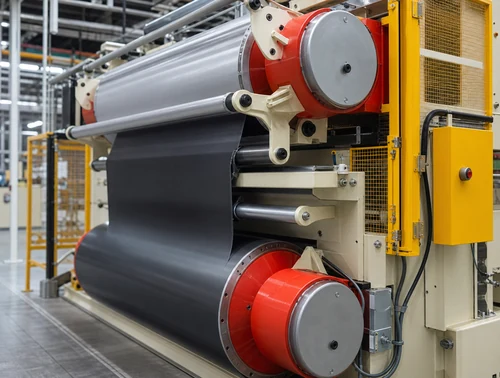
Comparison chart: buying a Rotocure machine
| Potential benefit | Possible drawback or risk | How the risk should be reduced |
|---|---|---|
| Continuous curing capacity can be added to a production line. | Capacity can remain unused when demand is not validated. | Sales forecasts and target throughput should be reviewed first. |
| More consistent curing conditions may be achieved. | Quality can be affected by worn drums or uneven control. | Condition data and a trial run should be requested. |
| Used equipment can reduce initial capital cost. | Refurbishment and safety costs may be transferred to the buyer. | Total installation and repair cost should be calculated. |
| New product capability can be developed. | Upstream and downstream equipment may also be required. | The full process line should be mapped before investment. |
Can a Rotocure-machine-based business be started in Patna?
A Rotocure-based business may be considered when reliable demand, technical capability, raw-material access, working capital, and compliance planning have been assessed. The machine should not be treated as a stand-alone asset. Compound preparation, fabric or belt handling, utilities, cooling, inspection, storage, maintenance, and dispatch will need to be planned around the machine.
Local and regional requirements from conveyor-belt users, rubber-product manufacturers, repair companies, and industrial buyers should be researched. Order volume, payment cycles, quality expectations, and delivery requirements should be understood before capacity is committed. The proposed line throughput should then be compared with the available floor space, power supply, heat-transfer utilities, material movement, and skilled staffing.
For a wider process setup, related Rotocure rotary curing machinery and other rubber processing machinery should be evaluated together. This approach can reduce integration surprises after delivery.
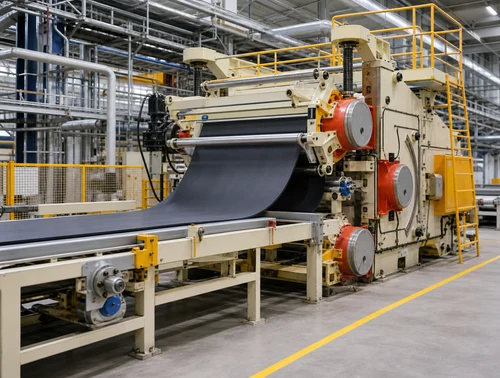
Comparison chart: starting a Rotocure-machine-linked business
| Business opportunity | Challenge that may be faced | Recommended planning response |
|---|---|---|
| Value-added cured rubber products can be supplied. | Demand may be concentrated among a limited number of buyers. | Customer segments and order sources should be diversified. |
| In-house curing can reduce dependence on external processing. | Capital and working-capital needs can be significant. | Cash-flow and break-even assumptions should be tested. |
| Specialised product requirements can be served. | Operator training and process control will be required. | SOPs, training, and inspection points should be established. |
| Long-term line capacity can be expanded. | Downtime can affect delivery commitments. | Preventive maintenance and critical spares should be planned. |
Why safety, commissioning, and support should be prioritised
Serious hazards can be created by hot surfaces, rotating drums, pinch points, electrical systems, and heavy material movement. Guards, emergency-stop controls, interlocks, safe isolation, and clear operator access should be demonstrated before the machine is accepted. Site-specific risk assessments and applicable legal requirements should be reviewed by qualified personnel before commissioning.
Installation support should also be clarified. Foundation requirements, alignment, utilities, control-panel connection, trial production, and operator familiarisation should be included in the implementation plan. A wholesaler should be asked for a written scope that states what is included, what is excluded, and which technical support can be provided after delivery.
Why Vatsn Tecnic should be consulted
At Vatsn Tecnic, machinery requirements are considered through application, condition, capacity, and practical site needs. Details of the rubber product, target output, available utilities, preferred budget, and timeline should be shared so that a relevant Rotocure configuration can be discussed. Final engineering, safety, compliance, and financial decisions should be validated by the buyer’s qualified team.
Explore our company profile: Visit Vatsn Tecnic on IndiaMART.
To read more about Rubber Making Machine, visit here.
Frequently asked questions
What information should be shared with a Rotocure wholesaler?
Product type, required width and thickness, intended output, compound details, available utilities, floor space, and budget range should be shared so that a suitable configuration can be considered.
Should a new or used Rotocure machine be purchased?
A used machine may be suitable when condition, safety, refurbishment scope, and total cost are verified. A new machine may be preferred where defined performance, modern controls, and warranty support are required.
What should be inspected on a used Rotocure machine?
Drums, bearings, drives, control panels, insulation, piping, safety devices, operating history, and spare-part availability should be checked by competent technical personnel before purchase.
How should site readiness be checked?
Foundation capacity, electrical supply, heat-transfer utilities, ventilation, material handling, maintenance clearance, and safe access should be confirmed before delivery and installation are arranged.
Can the machine be integrated with an existing rubber line?
Integration can be considered when the feeding, curing, cooling, winding, and inspection stages are matched. A line-layout review should be completed before the equipment is purchased.
Author note: This article has been prepared as general industrial equipment guidance. Rotocure-machine selection and business decisions should be reviewed against site conditions by qualified technical, financial, and safety professionals.