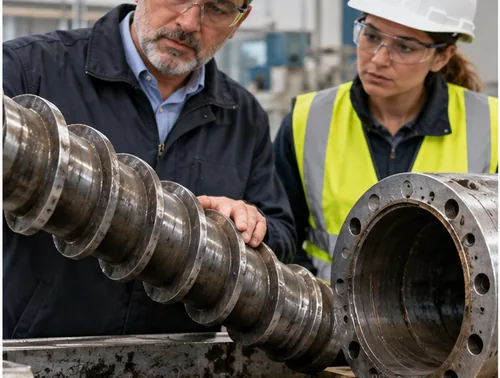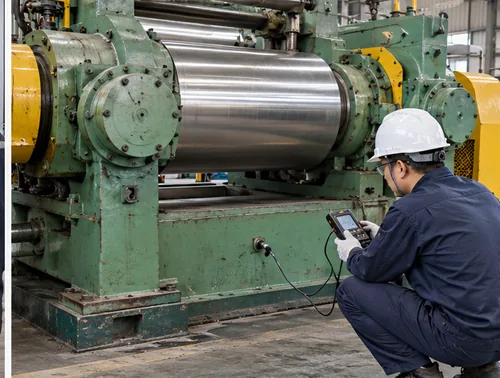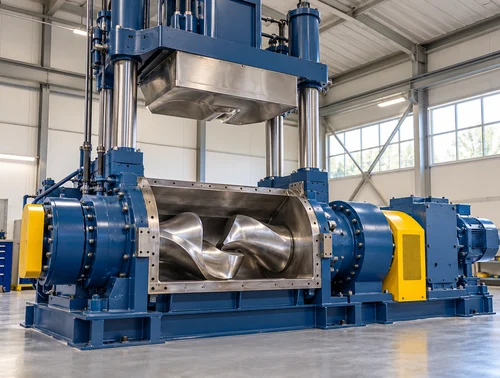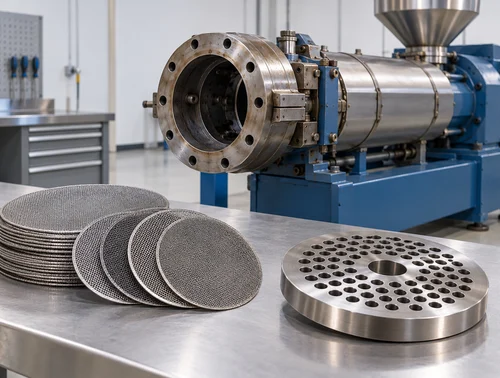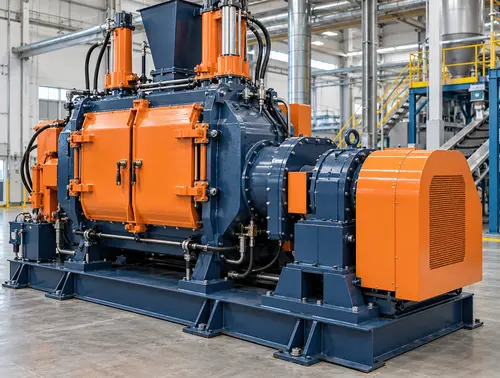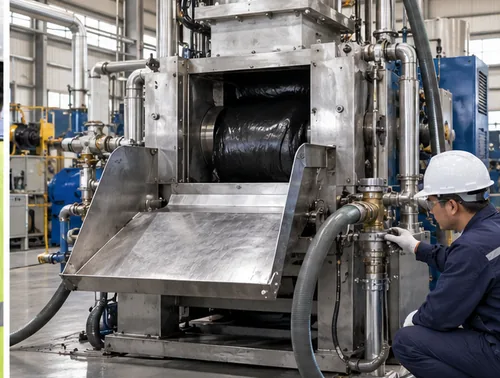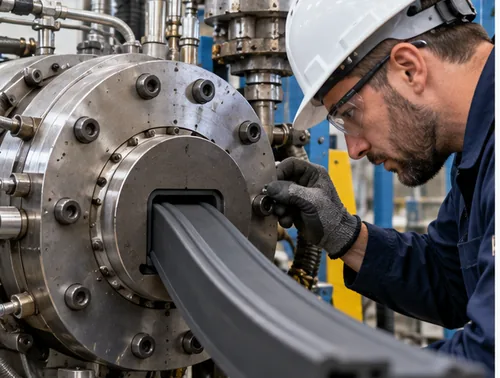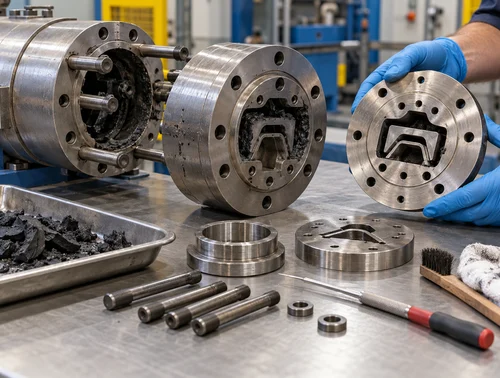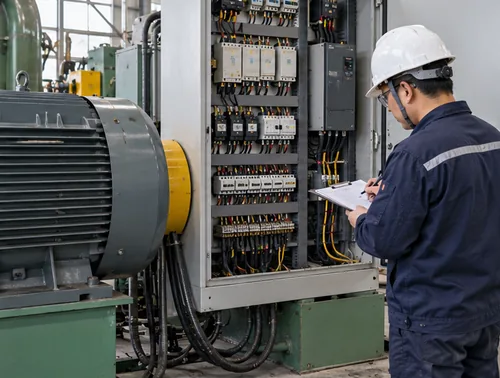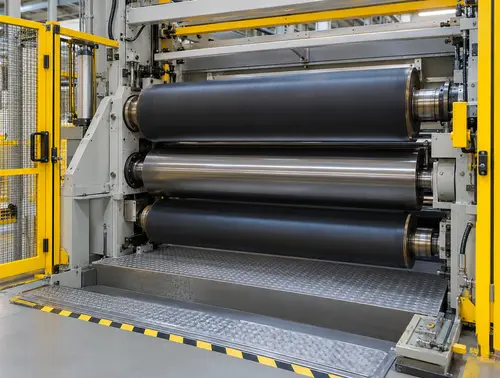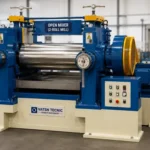
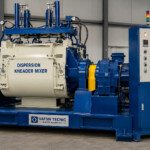
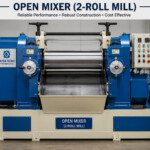
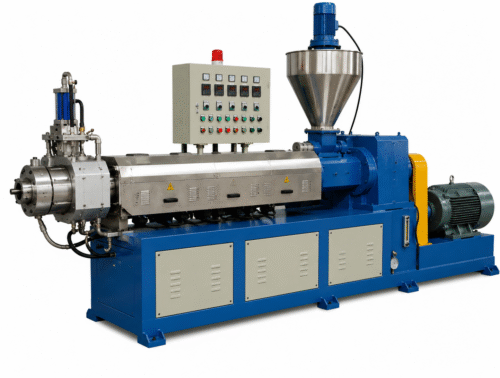
 Rubber Hot Feed Extruder
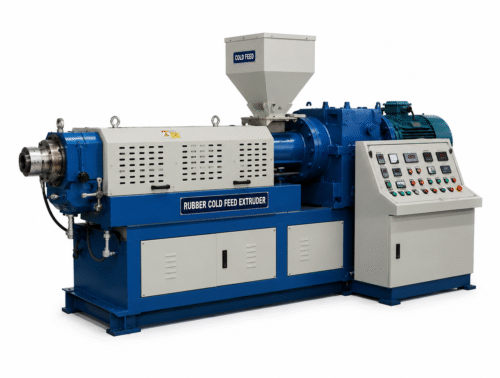 Rubber Cold Feed Extruder
 Rubber Strainer – Reclaim Extruder
 Reclaim Rotary Autoclave
 Compression Molding
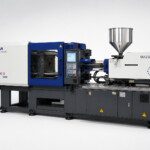 Injection Molding
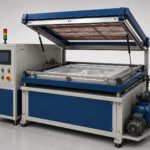 Vacuum Molding
 Rubber EVA Refiner Mill
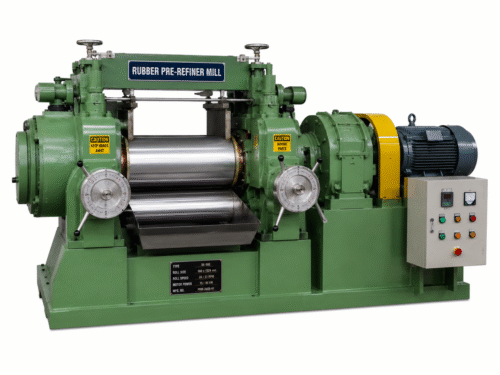 Rubber Pre-Refiner Mill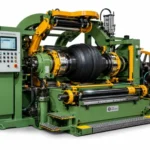
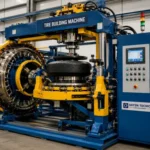 Tire Building Machine
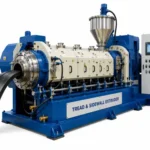 Tread & sidewall Extruder
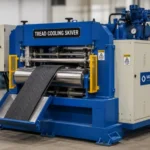 Tread Cooling skiver
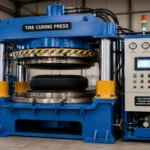 Tire curing press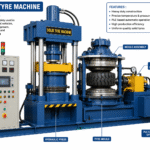
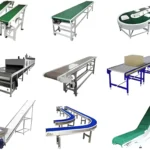
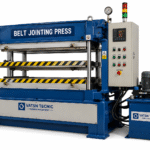 BELT JOINTING PRESS
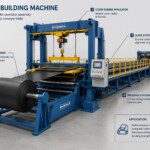 Belt Building Machine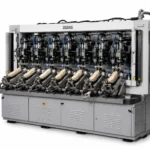
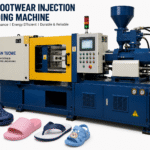 Eva Footwear Injection Molding Machines
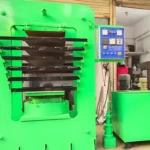 Hawaii Slipper Sole Sheet Machine
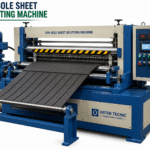 Eva Sole Sheet Splitting
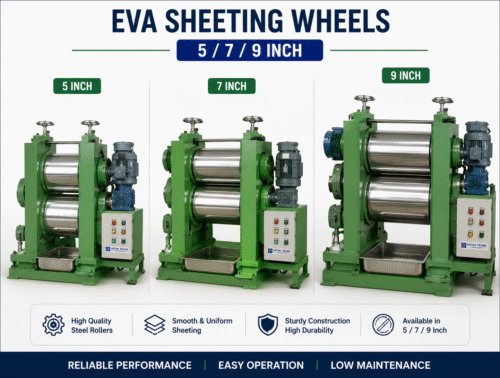 Eva Sheeting Wheels 5/7/9
 PVC Flooring Machine
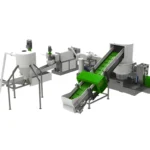 Plastic Pelletizing Line
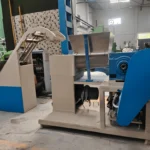 Filler / Masterbatch / PVC / TPR / EVA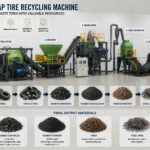
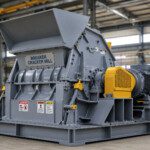 Breaker – Cracker Mill
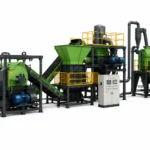 Shredder – Rasper Machines
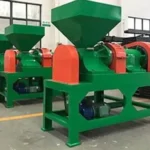 Waste Rubber Crumb Grinder Mill
Tire building machinery market: What industry leaders know

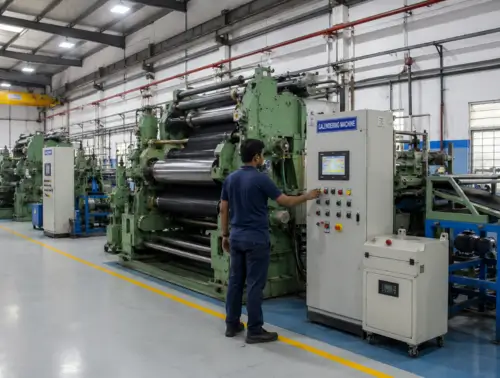
India’s industrial equipment sector is witnessing strong momentum in the tire manufacturing segment. The focus keyword tire building machinery market now dominates conversations among manufacturers, traders, and rubber processing companies.
Demand for both new and used tire production equipment has increased sharply across industrial clusters. Moreover, the expanding automotive sector continues driving investment into the tire building machinery market across India.
What Happened in the tire building machinery market
Indian manufacturers are rapidly investing in tire production systems to meet rising domestic and export demand. Several machinery dealers also report higher inquiries for refurbished equipment.
The shift affects both large factories and mid-sized industrial units. Therefore, the tire building machinery market has become one of the fastest-growing machinery sectors in rubber manufacturing.
Tire building machinery market demand rises across India
Industrial zones in Gujarat, Maharashtra, Tamil Nadu, and Haryana have reported stronger machinery movement this year. Moreover, operators prefer used equipment because of lower capital requirements.
Many companies now combine imported machines with local automation upgrades. As a result, the tire building machinery market continues attracting new investors.
Background and Context of the tire building machinery market
India’s tire manufacturing industry expanded significantly during the last decade. Rising vehicle ownership increased demand for commercial and passenger vehicle tires.
Earlier, manufacturers depended heavily on imported systems. However, Indian machinery traders and refurbishing companies now support affordable industrial expansion.
This transformation strengthened the tire building machinery market considerably. Furthermore, smaller businesses gained easier access to production technology.
Tire building machinery market — The bigger picture
The global tire industry is shifting toward automation, energy efficiency, and faster production cycles. India follows the same trend aggressively.
According to industrial analysts, used machinery demand grew because manufacturers seek lower-risk expansion models. Therefore, the tire building machinery market reflects broader industrial modernization trends.
Key Details You Should Know about the tire building machinery market
- Used tire machinery demand increased among MSME manufacturers
- Gujarat and Tamil Nadu remain major industrial hubs
- Semi-automatic systems dominate mid-scale factories
- Imported refurbished machines reduce startup investment costs
- Automation upgrades improve production consistency
- Rubber processing demand supports machinery growth
- Industrial suppliers report stronger inquiry volumes in 2026
Industry engineer Rajesh Kumar from Vatsntecnic explained recent buyer behavior. He noted that manufacturers prioritize production efficiency over premium machine branding.
Comparison Chart: tire building machinery market investment overview
| Machine Category | Approximate Investment | Profit Potential | Business Advantage |
|---|---|---|---|
| Tire Building Machine | High | Very High | Large-scale tire production |
| Rubber Mixing Mill | Medium | High | Stable rubber compound preparation |
| Banbury Mixer Machine | High | Very High | Faster industrial rubber mixing |
| Tube Extrusion Machine | Medium | High | Continuous tube manufacturing |
| Used Tire Machinery Line | Low to Medium | Medium to High | Lower startup investment |
| Hydraulic Press Machine | Medium | Medium | Multi-purpose production support |
Impact and Reactions in the tire building machinery market
Industrial suppliers believe the current expansion may continue through 2027. Moreover, automotive replacement demand supports long-term production growth.
Factory operators also report improved production flexibility with refurbished systems. Therefore, the tire building machinery market now attracts investors beyond traditional rubber sectors.
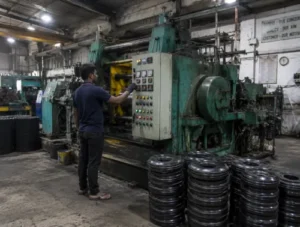
How the tire building machinery market is affecting manufacturers
Smaller factories now enter production with lower financial pressure. Used machinery significantly reduces initial investment requirements.
In addition, regional suppliers provide faster machine servicing and spare support. This trend improves operational confidence among new businesses.
Cost, Output, or Outcome — What the data shows in the tire building machinery market
- Used equipment lowers setup costs by nearly 35%
- Semi-automatic systems reduce labor dependency significantly
- Automated mixing systems improve batch consistency by 20%
- Refurbished machinery shortens project startup timelines
Benefits Chart for the tire building machinery market
| Benefit | Impact on Production |
|---|---|
| Lower machine investment | Faster factory setup |
| Automation support | Higher production consistency |
| Refurbished machine availability | Reduced expansion risk |
| Better rubber processing | Improved tire quality |
| Local servicing access | Reduced downtime |
| Energy-efficient systems | Lower operating costs |
Challenges and Concerns in the tire building machinery market
Despite rapid growth, manufacturers still face several operational challenges. Spare part availability remains inconsistent in certain regions.
Moreover, imported used systems sometimes require technical modifications. Therefore, businesses need experienced engineering support before installation.
Why some are still struggling with the tire building machinery market
Many smaller factories lack skilled technical operators. In addition, financing approvals remain difficult for certain industrial startups.
Some operators also struggle with outdated electrical systems and inconsistent power supply. Consequently, machine efficiency decreases significantly.
Industry consultants recommend phased automation upgrades instead of complete replacement strategies.
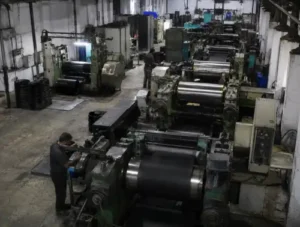
Real-World Factory Perspective from Vatsntecnic
An operator from a Haryana-based tire unit shared recent production improvements after upgrading machinery. The factory replaced older manual systems with semi-automatic refurbished equipment.
Production consistency improved within three months. Furthermore, rubber wastage decreased noticeably during high-volume operations.
The operator explained that local engineering support helped minimize installation delays. This case highlights how the tire building machinery market supports practical industrial growth.
What Happens Next for the tire building machinery market
Industry analysts expect continued machinery expansion across India during the next five years. Electric vehicle growth may further increase specialized tire production demand.
Moreover, local refurbishing companies are improving machine rebuilding quality rapidly. Therefore, the tire building machinery market may become more competitive by 2027.
Emerging trends that will shape the tire building machinery market by 2027
- AI-assisted production monitoring
- Energy-efficient tire processing systems
- Increased demand for refurbished automation lines
- Smart predictive maintenance technology
- Faster tire curing systems
- Integrated rubber recycling machinery
Growing Opportunity in the tire building machinery market
India’s expanding transportation sector continues supporting tire production growth. Commercial logistics, passenger mobility, and agricultural demand remain strong.
Furthermore, government manufacturing initiatives encourage industrial investment nationwide. This environment creates significant opportunities for machinery suppliers and factory operators.
The tire building machinery market may particularly benefit smaller industrial clusters seeking affordable production expansion.
Future of the tire building machinery market
The sector is likely moving toward hybrid automation models. Manufacturers increasingly combine refurbished systems with smart industrial controls.
In addition, sustainability concerns may encourage energy-saving production technology. Consequently, future factories could focus heavily on efficient rubber processing and lower material waste.
Experts believe Indian machinery suppliers may also expand exports significantly during the next decade.
Conclusion
India’s industrial manufacturing sector is entering a major transition phase. The rising tire building machinery market reflects broader modernization trends across rubber and automotive industries.
Both new and used machinery segments now support business expansion across different investment levels. Moreover, affordable refurbished systems allow smaller factories to compete more effectively.
As automation and efficiency become essential, manufacturers will likely continue upgrading production infrastructure. Therefore, the tire building machinery market could remain one of India’s strongest industrial equipment opportunities through 2027.
https://www.indiamart.com/vatsntecnic/profile.html
To read More about Tire Making Machine Visit Here.
FAQ: Frequently Asked Questions
What is the tire building machinery market?
It includes machines used for manufacturing tires, tubes, and rubber-based automotive products.
Why are used tire machines popular in India?
Used machines reduce investment costs and shorten factory setup timelines.
Which machine is most important in tire production?
Tire building machines and Banbury mixers play major roles in industrial tire manufacturing.
Are refurbished machines reliable?
Properly rebuilt machines can provide stable industrial performance for years.
Which Indian regions dominate this industry?
Gujarat, Tamil Nadu, Maharashtra, and Haryana remain major industrial centers.
How does automation improve tire production?
Automation improves consistency, reduces waste, and increases production speed.